Kampala, Uganda — The World Health Organization (WHO) has raised alarm over the scale of the Ebola outbreak in the Democratic Republic of the Congo (DRC), warning that the actual number of cases may be at least double the official tally.
As of July 11, 2026, the WHO has confirmed 1,963 cases and 719 deaths. WHO Executive Director Chikwe Ihekweazu has indicated that the true extent of the outbreak could be as much as 2-4 times the reported figures.
The Bundibugyo species of Ebola is responsible for this crisis, which lacks a vaccine or specific treatment, complicating efforts to contain the virus in a region already addressing humanitarian challenges, remote and densely populated areas, insecurity, and high population and trade movements.
The WHO has declared the outbreak a Public Health Emergency of International Concern, alongside the Africa Centres for Disease Control and Prevention (Africa CDC). This declaration highlights the severity of the situation and underscores the need for a coordinated international response.
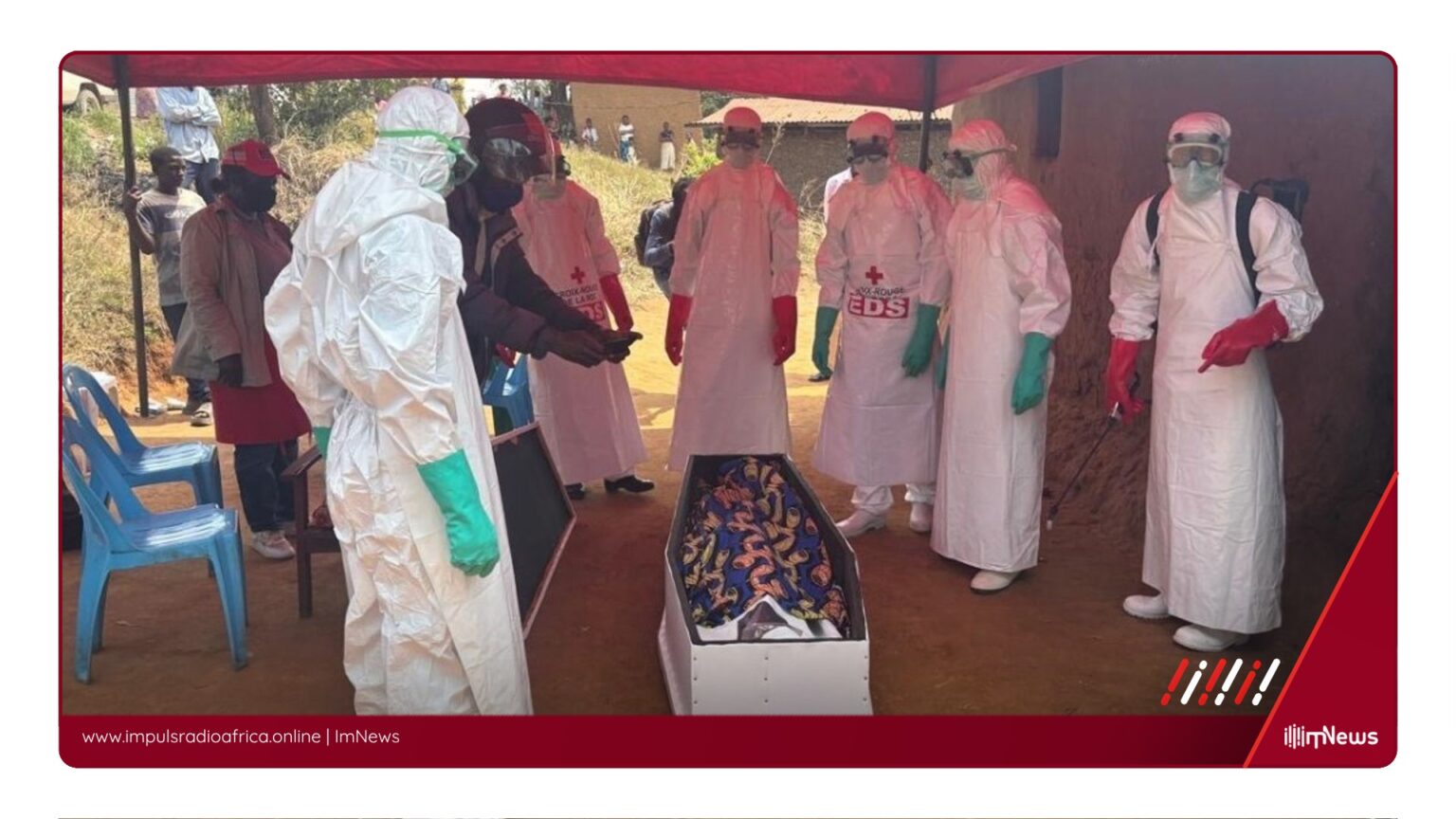
The rapid growth of the outbreak, with a majority of new cases stemming from unknown chains of transmission, has made contact tracing and prevention efforts particularly challenging. Healthcare workers in the affected areas have threatened to strike over non-payment of salaries, a move that could further hinder containment efforts. At the Ebola treatment center in Rwampara, one of the hardest-hit areas, workers protested by burning a tire and temporarily blocking access routes.
Despite these challenges, the WHO and Africa CDC are collaborating closely with the DRC government to enhance surveillance, contact tracing, clinical preparedness, and management. Supplies and community engagement are also being prioritized to ensure an effective response that reaches those most in need.
The ongoing situation raises questions about the accuracy of case and death reporting, as well as the support being provided to healthcare workers and communities to prevent further spread.
The status of vaccine development and treatment options for the Bundibugyo species of Ebola remains a critical concern as the outbreak continues to evolve.
*Additional reporting by ImNews | Sources consulted: 5*
—
This original article was produced by the ImNews editorial team
Source: aljazeera
Source: Al Jazeera Staff, AFP, AP and Reuters