Ebola Outbreak in DRC Declared International Emergency ### DATELINE: Kinshasa, DRC – May 25, 2026 ### LEAD The Democratic Republic of the Congo (DRC) is facing a critical public health emergency as the latest Ebola outbreak, caused by the Bundibugyo species of the virus, has been declared a Public Health Emergency of International Concern (PHEIC) by the World Health Organization (WHO) on May 17, 2026.
As of May 23, there were 94 confirmed cases in Ituri Province and an additional 6 cases in Nord Kivu. ### NUT GRAF: This latest Ebola outbreak in the DRC is particularly concerning due to the lack of a vaccine or specific treatment for the Bundibugyo species.
The situation is further complicated by the ongoing humanitarian crisis, remote and densely populated areas, insecurity, and high population and trade movements, which pose significant challenges for effective response efforts. ### BODY: #### Ituri Province and Nord Kivu Kinshasa, DRC – The current outbreak, which has been ongoing since early May, has seen a rapid increase in confirmed cases. Ituri Province, in the country’s northeast, has been the epicenter of the outbreak, with the majority of cases reported there.
Nord Kivu, another province bordering Ituri, has also reported cases, indicating the potential for the virus to spread further. #### WHO’s Response The WHO has been actively involved in the response to the outbreak, providing support to the DRC government and other international organizations.
The organization has emphasized the importance of community engagement in controlling the outbreak, highlighting the need for local buy — in and participation in the response efforts.
#### DRC Government’s Efforts The DRC government has been working to scale up its response to the outbreak. This includes conducting briefings and meetings to address the situation, as well as implementing measures to contain the spread of the virus.
The government has also been working with international partners to secure additional resources and support.
#### Challenges The challenges in responding to the outbreak are significant.
The remote and densely populated areas where the outbreak is occurring make it difficult for health workers to reach affected communities. Insecurity and high population and trade movements also pose significant risks, as they can facilitate the spread of the virus across borders.
#### Economic Impact The economic impact of the outbreak is also a concern.
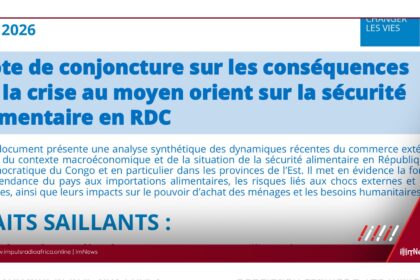
The World Bank has reported that income loss for rural households is much more related to difficulties in selling their production than to lower agricultural production or lower food prices. This could have long-term implications for the country’s economy, particularly in rural areas.
#### Global Implications The declaration of the PHEIC indicates the severity of the situation and the potential for the outbreak to spread beyond the DRC.
The WHO has been working with international partners to strengthen surveillance, contact tracing, clinical preparedness and management, delivery of supplies, and community engagement. #### Conclusion The latest Ebola outbreak in the DRC is a critical public health emergency that requires a coordinated and comprehensive response.
The challenges are significant, but with the support of the international community, there is hope that the outbreak can be contained and controlled. ### KICKER: As the situation continues to evolve, the DRC government and its partners are working tirelessly to contain the outbreak and protect the health and well-being of the population.
The outcome of these efforts will have significant implications not only for the DRC but for the global community as well.
*Additional reporting by ImNews | Sources consulted: 5*
—
This original article was produced by the ImNews editorial team
Source: reliefweb
Source: World Health Organization