

Lagos, Nigeria — The World Food Programme (WFP) has issued a critical situation report indicating a sharp escalation in food insecurity across northern Nigeria, driven by rising global energy prices.
In May 2026, the WFP reached 703,968 beneficiaries, a figure that underscores the scale of the crisis affecting millions.
The report reveals that 36. 3 million people in Nigeria are currently food insecure, with 2. 1 million in the most severe IPC4 and 5 Phases.
The WFP distributed 150 metric tons of food assistance and US$6. 2 million in cash-based transfers in May, yet the needs are vast. Persistent insecurity and displacement have undermined sustainable food production, with the situation expected to remain critical through September 2026.
The Federal Ministry of Agriculture and Food Security (FMAFS) has updated the Cadre Harmonisé (CH), identifying a further increase in those affected by food insecurity.
The WFP is implementing integrated food and nutrition assistance, alongside resilience — building interventions.
However, the organization has highlighted a US$88. 8 million funding gap from June to November 2026, emphasizing the urgent need for additional support.
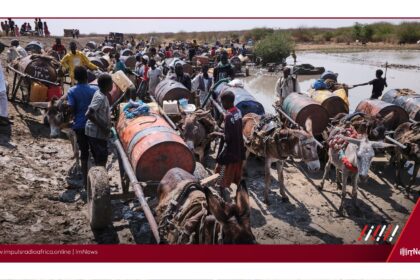
The crisis, centered in the northeast region, particularly Borno, Adamawa, and Yobe states, has seen nearly 5. 8 million people facing severe food insecurity.
The recent attack on a farming community in Zamfara state has further disrupted livelihoods and food production.
The international community is urged to act swiftly to address the escalating food insecurity in northern Nigeria, which not only poses a humanitarian challenge but also has broader implications for regional stability and security.
*Additional reporting by ImNews | Sources consulted: 5*
—
This original article was produced by the ImNews editorial team
Source: reliefweb
Source: World Food Programme