

Addis Ababa, Ethiopia — July 10, 2026 In the Amhara Region of Ethiopia, a swift and strategic response to a cholera outbreak has emerged as a model for managing public health emergencies.
The outbreak, which spanned from 2024 to early 2025, resulted in 4,337 reported cases and 59 deaths, highlighting the region’s ongoing challenges in addressing recurrent disease outbreaks, displacement, and limited access to safe water and sanitation.
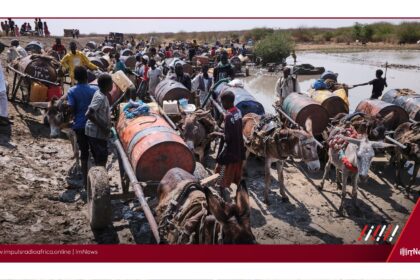
The response, supported by the United Nations Central Emergency Response Fund (CERF) and coordinated by the World Health Organization (WHO) alongside local health authorities, focused on early detection, containment, and prevention measures. This collaborative effort included the installation of water treatment points, handwashing stations, and hygiene promotion campaigns. Community involvement was pivotal, with 31 trained community volunteers conducting cholera prevention activities, and religious leaders advocating for public health measures.
The WHO’s technical expertise and international collaboration facilitated a response that was both effective and sustainable.
The Amhara Region’s experience underscores the importance of early detection and rapid response in mitigating the impact of public health emergencies. It also emphasizes the critical role of community engagement in preventing and managing outbreaks.
The outbreak’s management relied on strengthening surveillance systems, improving access to clean water and sanitation, and enhancing community-based health programs.
As the situation stabilizes, these lessons will be integral to future response strategies across Africa.
The Amhara Region’s cholera outbreak response serves as a model for effective rapid response strategies in the context of public health emergencies, demonstrating the potential for successful disease containment and prevention through community engagement and international collaboration.
*Additional reporting by ImNews | Sources consulted: 5*
—
This original article was produced by the ImNews editorial team
Source: reliefweb
Source: Concern Worldwide