
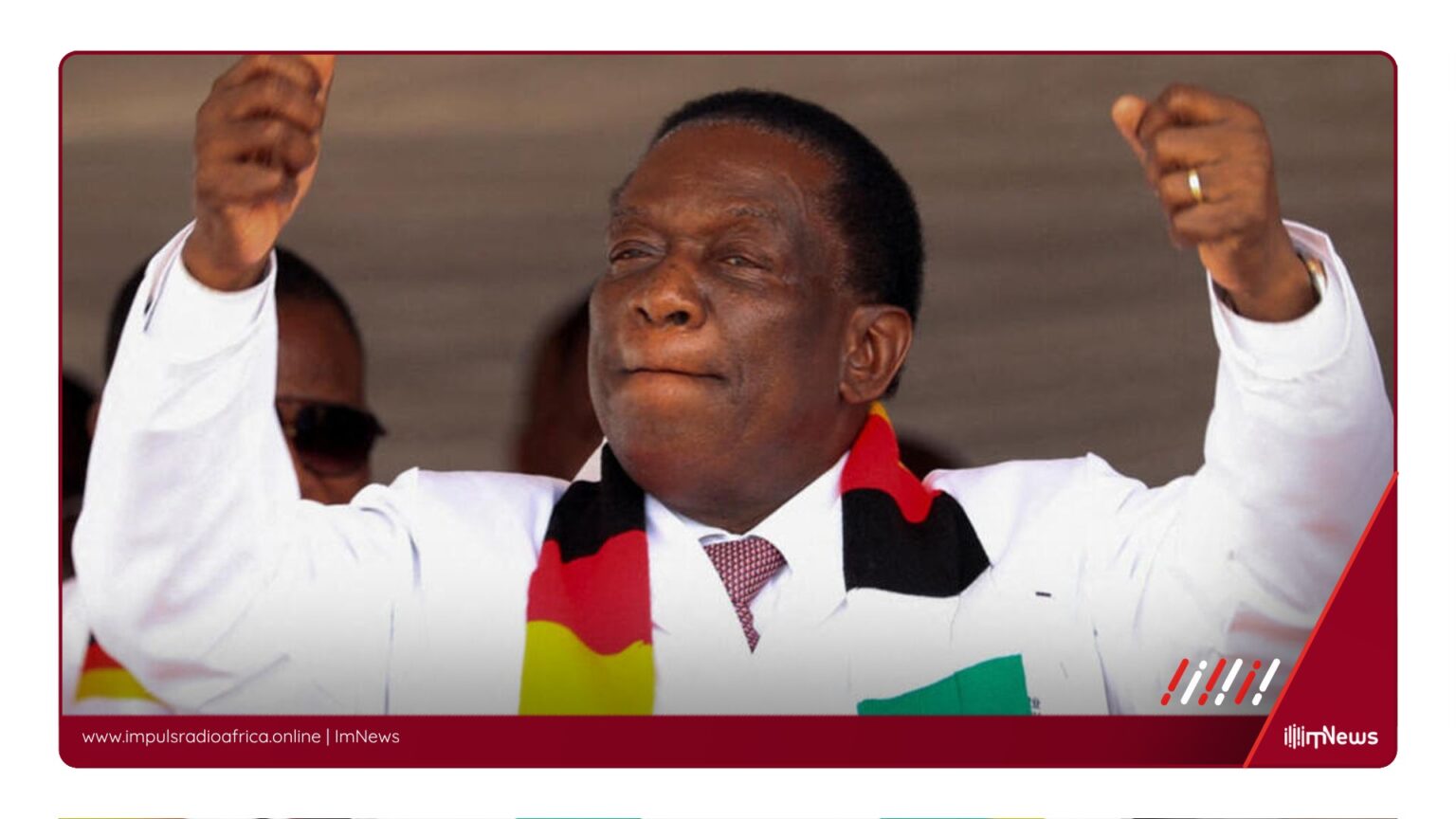
Zimbabwe’s CAB3 Amendments: A New Term Limit Controversy Erupts Harare, Zimbabwe – July 9, 2026 The Zimbabwean political landscape has been roiled by President Emmerson Mnangagwa’s recent signing of constitutional amendments known as CAB3. These amendments, which have come under intense scrutiny, extend the term limits for the president, parliament, and local authorities from five to seven years.
Additionally, the amendments permit the president’s election by a joint sitting of parliament, rather than a direct public vote, raising questions about the future of democracy in the country. Government spokesperson Nick Mangwana confirmed the changes, which have been met with a mix of responses. Finance Minister Mthuli Ncube and political commentator Dereck Goto expressed gratitude for the passage of the CAB3 Act, 2026.
Officials commented on the matter.
The amendment’s introduction comes against a backdrop of economic challenges and international scrutiny over Zimbabwe’s human rights record and political governance. Critics view the changes as a power grab reminiscent of the Robert Mugabe era, when Mnangagwa succeeded the long-serving president. Parliamentary dynamics also come into play, as the bicameral legislature is meant to provide checks and balances within the legislative process.
However, the amendments could potentially render this oversight mechanism weak, with parliament itself now tasked with electing the president. While some welcome the changes, others are worried about the implications. Makomborero Haruzivishe, spokesperson for the Constitution Defenders Forum (CDF) International, termed the move a “calculated constitutional coup, “pointing out the removal of the direct right to elect a president and the extension of Mnangagwa’s term.
The international community will be closely monitoring Zimbabwe’s political trajectory, particularly as the nation navigates the complexities of these amendments. It remains to be seen whether these changes will lead to further consolidation of power or will be reversed by popular sentiment. What is clear is that the CAB3 amendments have sparked a robust debate on the state of democracy in Zimbabwe.
*Additional reporting by ImNews | Sources consulted: 4*
—
This original article was produced by the ImNews editorial team
Source: rfi
Source: Anne-Marie Bissada