

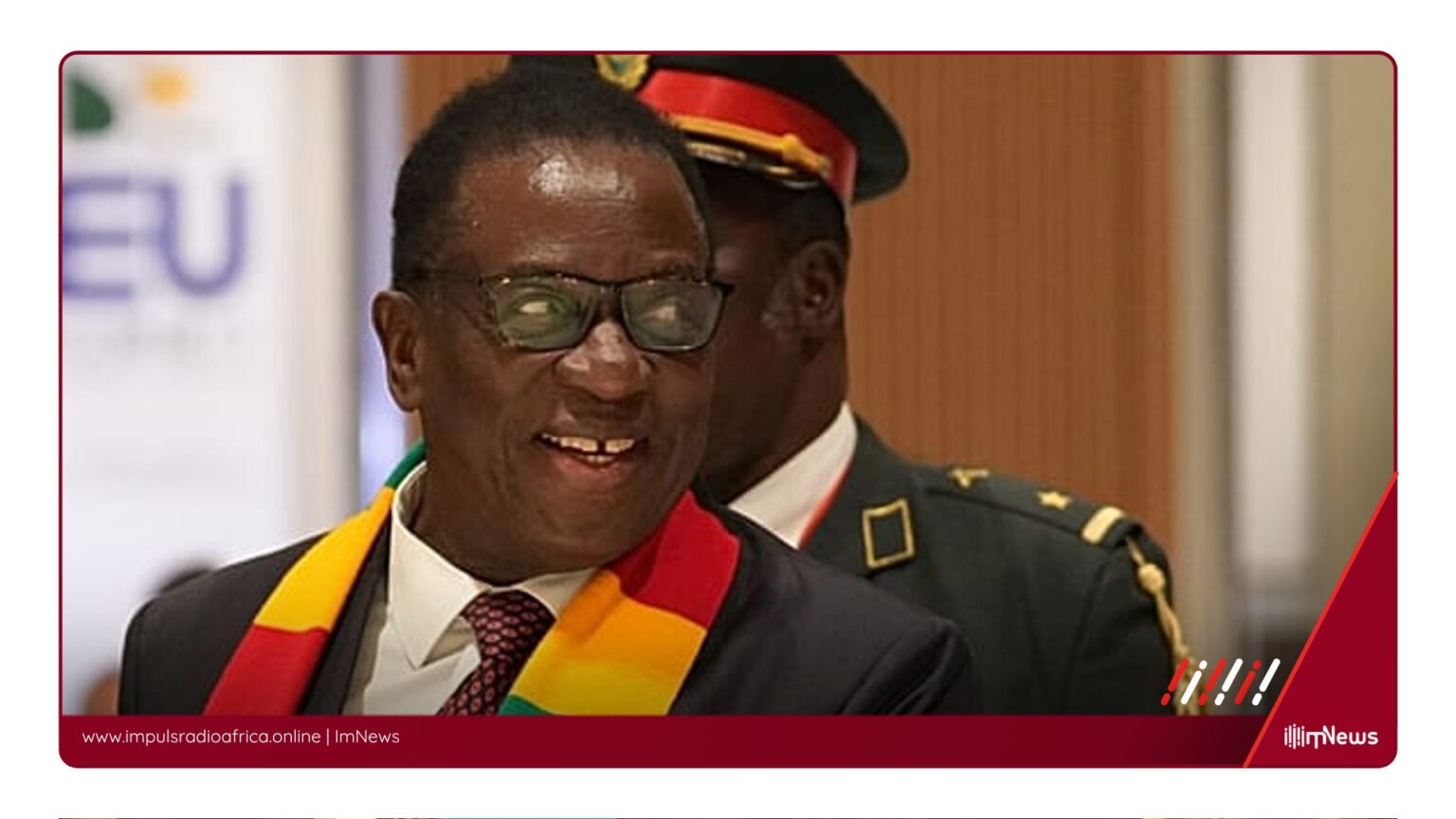
Harare, Zimbabwe — The Zimbabwe Constitutional Court has ruled against a legal challenge mounted by war veterans opposing proposed constitutional amendments that could extend presidential terms from five to seven years. This decision, handed down on June 17, 2026, has ignited a contentious debate across the nation.
The amendments, which could potentially keep President Emmerson Mnangagwa in office until 2030, were cleared by the court, marking a significant victory for the government’s reform agenda. Silvesta Hashiti, a lawyer representing the president, argued that the applicants had failed to demonstrate any misconduct on the part of Mnangagwa, thereby invalidating their case. Despite the ruling, the opposition and war veterans involved in the case remain undeterred.
Lovemore Madhuku, a lawyer representing the war veterans, expressed respect for the court’s judgment but vowed to press on with their legal battle. Political analysts, including Precious Shumba, have voiced concerns that the ruling could undermine Zimbabwe’s democracy. Shumba suggested that the decision reflects the erosion of the judiciary by the executive and warned of the death of the country’s constitutional democracy.
The proposed amendments have also raised fears among opposition figures and civil society groups, who believe they could further consolidate the executive’s power.
The case is now set to proceed to the country’s High Court, casting uncertainty over Zimbabwe’s political future.
As the nation absorbs the implications of the court’s decision, the debate over the proposed constitutional changes continues to dominate the political landscape.
The ruling has also brought to the fore the broader challenges facing Zimbabwe’s judiciary, particularly its independence and impartiality, as the country navigates the complexities of its political transition.
*Additional reporting by ImNews | Sources consulted: 5*
—
This original article was produced by the ImNews editorial team
Source: Africanews
Source: Rédaction Africanews