

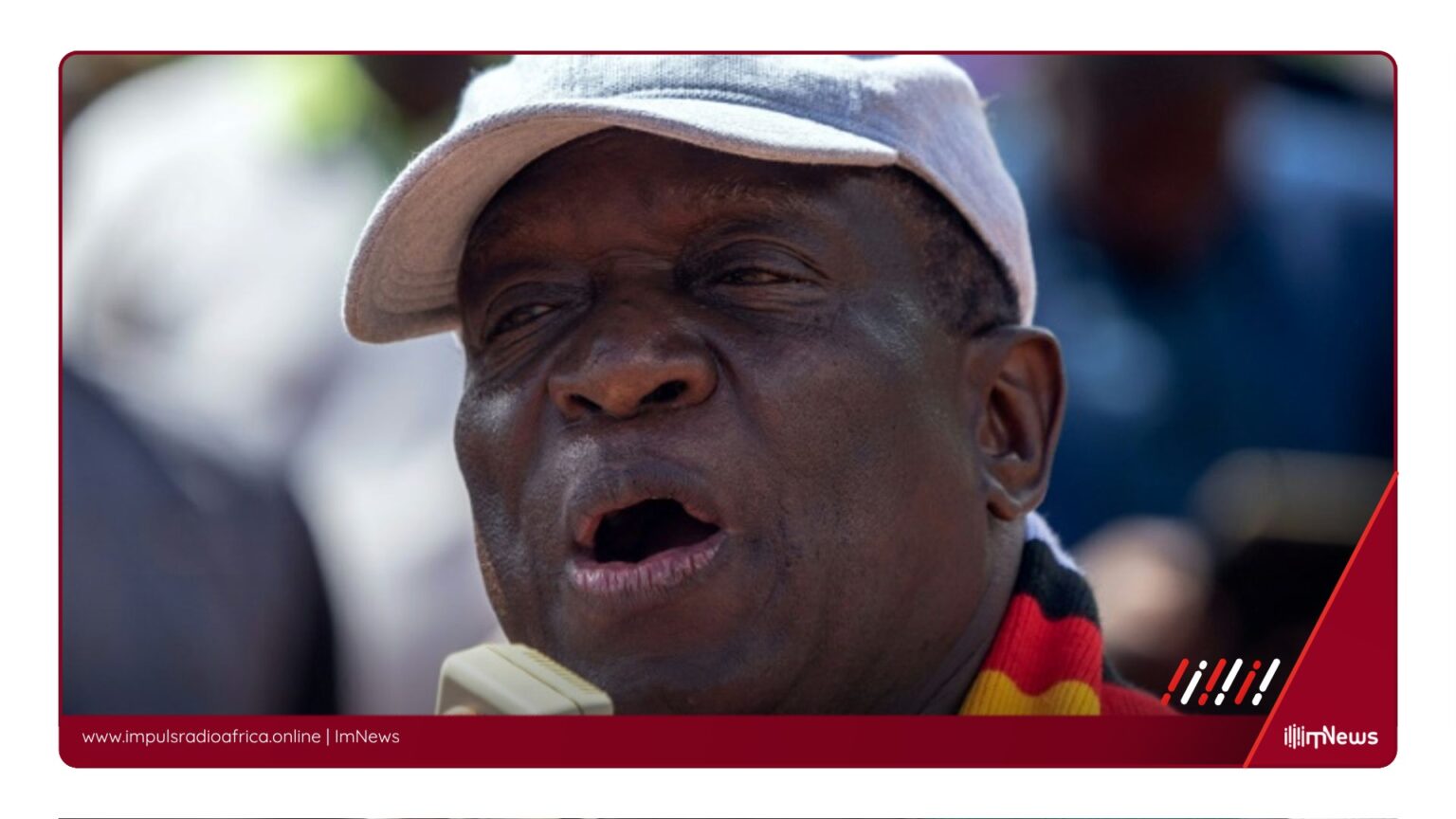
Zimbabwe’s President Mnangagwa’s Tenure Extension Plan Amidst Debate Over Governance BODY: Harare, Zimbabwe – The Zimbabwean Parliament has seen the introduction of a proposal that could significantly alter the nation’s political landscape.
The plan, presented by Justice Minister Ziyambi Ziyambi, seeks to extend the tenure of President Emmerson Mnangagwa and eliminate direct presidential elections, opting instead for a parliamentary voting system. This move, which has been met with both support and opposition, is a major reform since Mnangagwa assumed power following the removal of Robert Mugabe in 2017.
The proposed amendment aims to defer the elections scheduled for 2028 by two years and extend the terms of the president, members of parliament, mayors, and councillors from five years to seven. It also seeks to transfer the power to elect future presidents from the electorate to Parliament. Zimbabwe, a nation rich in gold, lithium, and platinum, has been actively seeking foreign investment to revitalize its economy.
However, this proposal has sparked intense debate over governance and democratic accountability, particularly as the country seeks to attract investment and rebuild economic confidence. Supporters argue that longer political terms would provide greater policy continuity and enable the implementation of long-term development programs without the disruption of frequent elections. Critics, on the other hand, view the changes as an attempt to maintain the ruling ZANU-PF’s hold on power.
Under the current constitution, Mnangagwa is due to step down in 2028 after completing his second and final five-year term.
The new proposal, if approved, would effectively allow him to remain in office until 2030, despite the two-term limit. Political analysts predict that the bill has a strong chance of passing, given the ZANU-PF’s two-thirds parliamentary majority and significant influence in the Senate.
The government aims to complete the legislative process by the end of June, after which Mnangagwa could sign the amendment into law.
However, the proposal has already faced resistance from activists, opposition figures, and some veterans of Zimbabwe’s liberation struggle.
A group of retired generals and former senior civil servants have publicly opposed the bill, warning that extending presidential tenure could undermine democratic accountability.
Additionally, several war veterans and civic activists have challenged the proposal in Zimbabwe’s Constitutional Court, arguing that such extensive constitutional changes should be subject to a national referendum rather than approval by Parliament alone.
The court has reserved judgment as it considers the case, a decision that could have profound implications not only for Mnangagwa’s political future but also for the country’s journey toward balancing economic aspirations with democratic governance standards.
*Additional reporting by ImNews | Sources consulted: 5*
—
This original article was produced by the ImNews editorial team
Source: Africa.businessinsider
Source: Ayodeji Adegboyega