

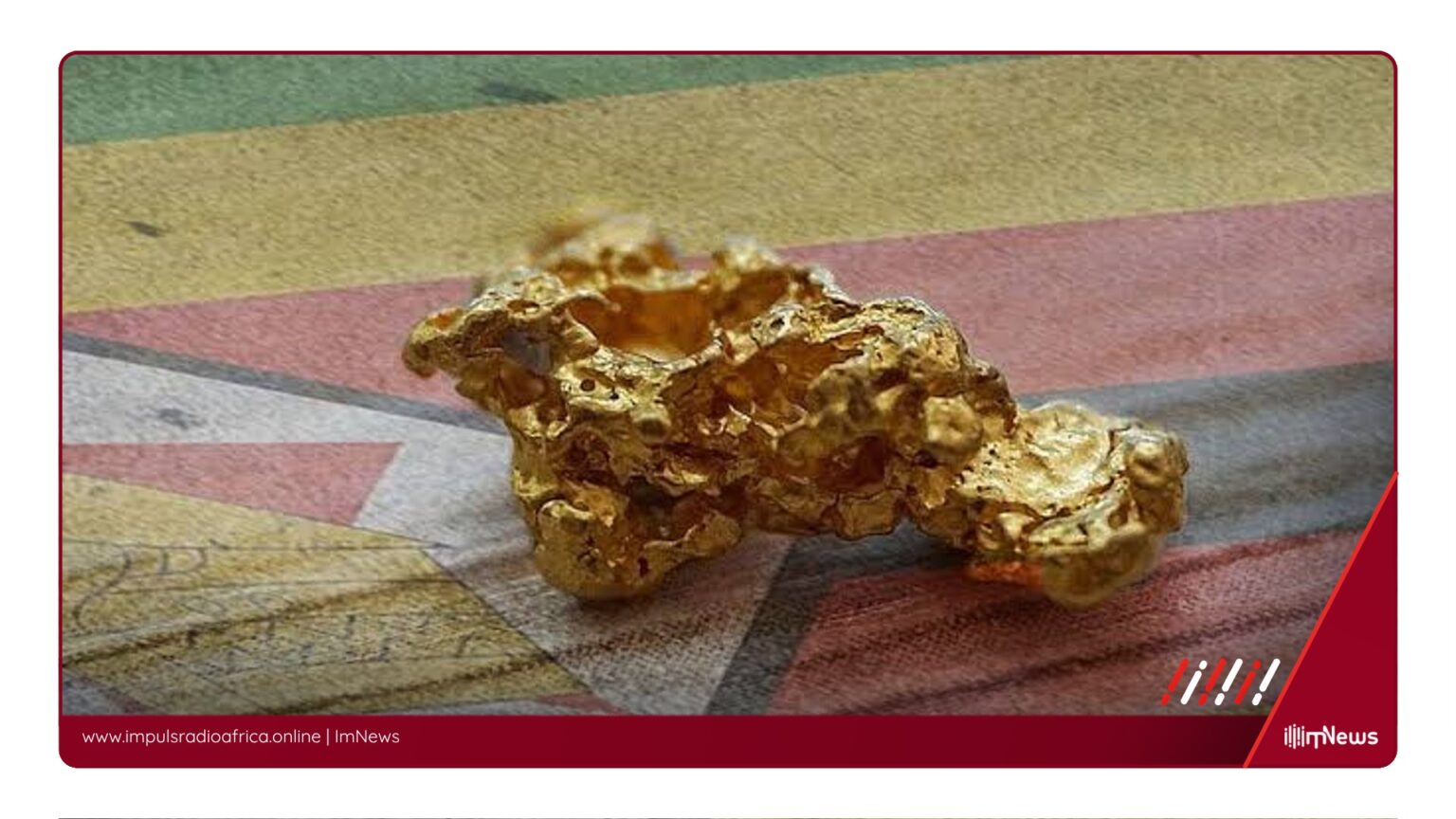
Harare, Zimbabwe — The Zimbabwean government has capped its spending on the gold-buying incentive scheme at $300 million for 2026, a move aimed at balancing the support for the country’s gold sector with fiscal risk management. This decision is part of broader efforts to stabilize the Zimbabwe Gold (Zig) currency, which is backed by the central bank’s gold reserves.
The Zig currency, introduced in 2024, seeks to bolster the nation’s financial system.
The government’s decision to limit the gold incentives reflects its strategic approach to managing the gold sector’s support while mitigating risks associated with gold price fluctuations. Finance Minister Mthuli Ncube and Central Bank Governor John Mushayavanhu have highlighted the intent to reduce fiscal risks, stating that the cap is to protect the government from financial strain should gold prices fall, while still supporting the mining industry.
The gold incentive program is integral to Zimbabwe’s monetary strategy, as it underpins the Zig’s credibility.
As Gibson Mhaka of Zimpapers Politics Hub pointed out, the central bank’s ability to buy gold and add it to reserves is crucial for the Zig’s stability.
The International Monetary Fund (IMF) has previously emphasized the need for careful management of the nation’s reserves, recognizing the potential risks and economic boost that gold prices can offer. With the government set to review the scheme as part of the 2027 national budget, the future of the Zig and its backing by gold remains a focal point.
As Zimbabwe seeks to rebuild its relationship with international lenders and address outstanding debt, the balance between supporting the gold sector and managing fiscal risks will be a delicate one.
*Additional reporting by ImNews | Sources consulted: 5*
—
This original article was produced by the ImNews editorial team
Source: Africa.businessinsider
Source: Adekunle Agbetiloye