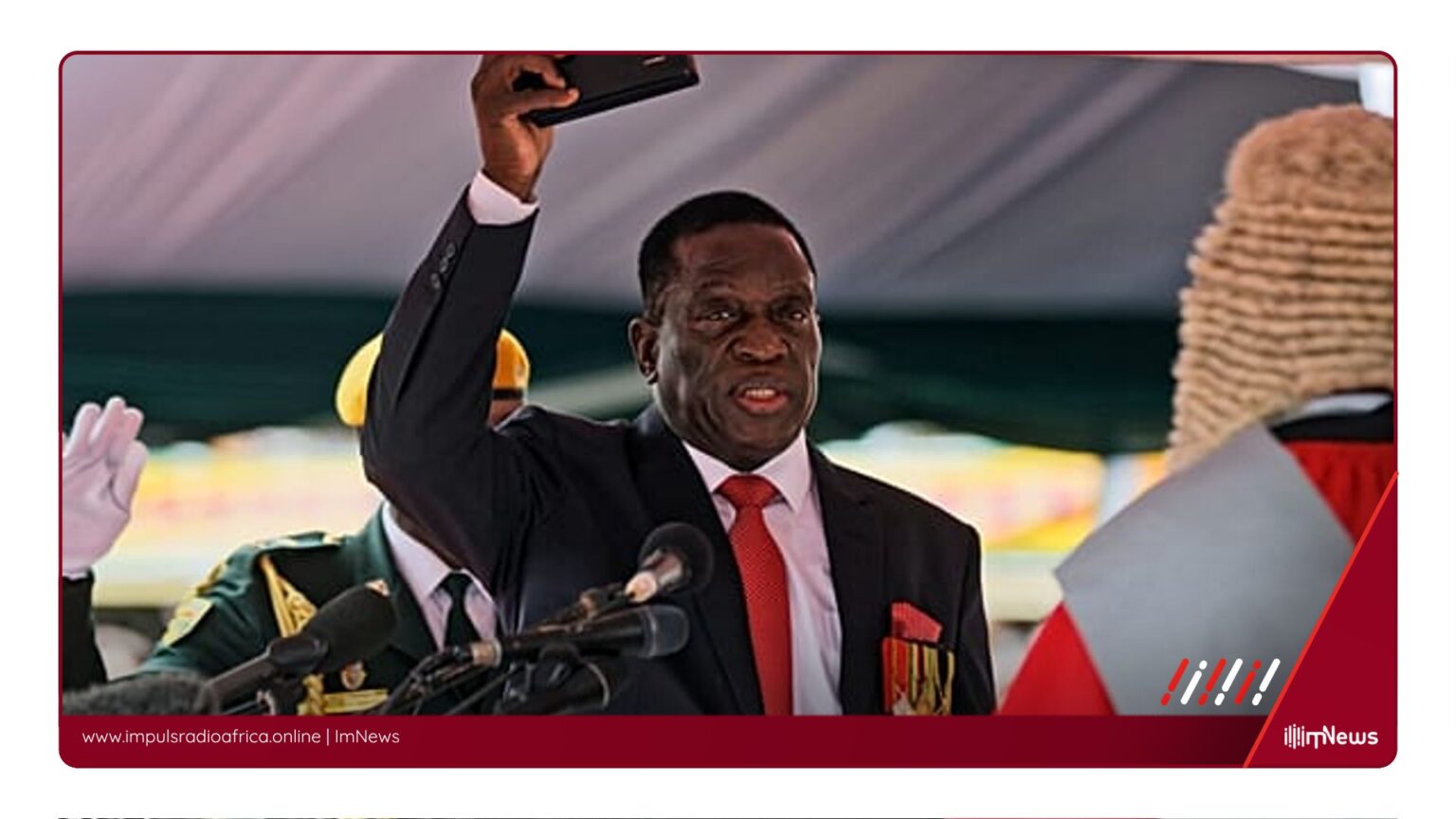
ADDIS ABABA, Ethiopia — Zimbabwe’s parliament on June 2, 2026, approved a bill proposed by Justice Minister Ziyambi Ziyambi to extend President Emmerson Mnangagwa’s term from five to seven years, with the amendment expected to pass the Senate as well. This decision, which also defers the next elections from 2028 to 2030, has sparked a range of reactions both domestically and internationally.
The bill was passed with 218 votes in favor, surpassing the necessary 187 votes. Mnangagwa, who has been in power since 2017 following the military-backed removal of Robert Mugabe, is set to remain in office until 2030. His ZANU-PF party, which controls both houses of parliament, has been seen as a continuation of Mugabe’s policies.
Supporters of the term extension argue that it will bolster accountability and stability, whereas critics believe it is an attempt for Mnangagwa to extend his stay in power beyond the original intention.
The bill also proposes changing the presidential election process from a direct popular vote to one selected by lawmakers.
The proposed amendment has been met with a mix of reactions, with some activists and war veterans launching court challenges against the extension. Critics are concerned that this move could erode democratic principles and human rights, while Mnangagwa’s supporters maintain that the extension is crucial for the nation’s economic and political stability.
As the bill advances, the international community will be observing Zimbabwe’s political landscape closely, with potential implications for the country’s relations with the global community and its progress toward democratic governance.
*Additional reporting by ImNews | Sources consulted: 5*
—
This original article was produced by the ImNews editorial team
Source: Africanews
Source: AfricaNews