Johannesburg, South Africa — Malawians Flee Xenophobic Attacks, Return Home in Droves A wave of xenophobic violence in South Africa has led to a mass exodus of foreign nationals, particularly Malawians, who are returning to their home country in significant numbers.
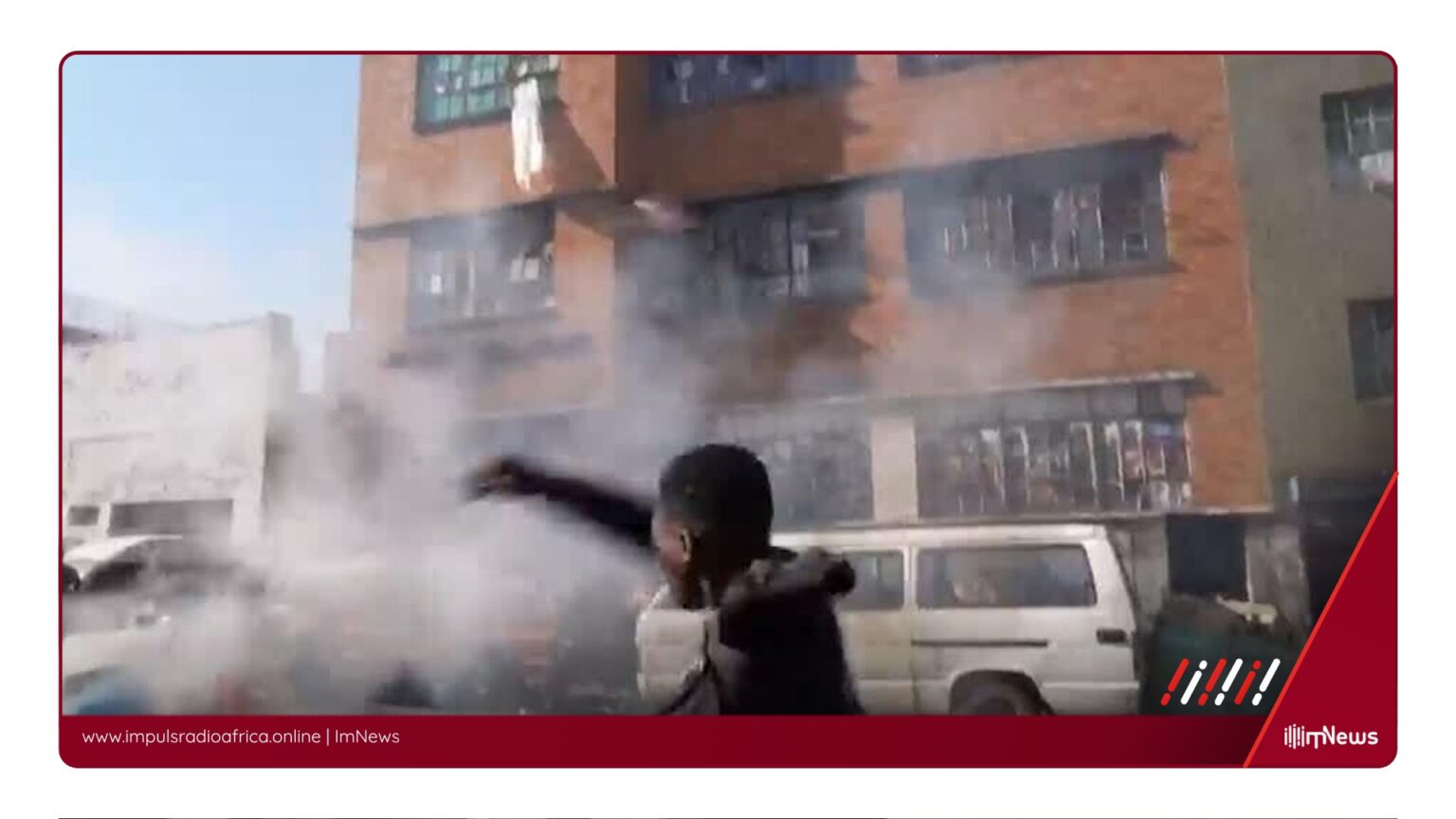
On June 30, 2026, thousands of Malawians were repatriated from South Africa after an outbreak of violence in the Western Cape Province, where at least three people, including two Mozambicans and one Malawian, were killed during the violence targeting foreign nationals. Malawi’s government reported that 15,000 people have returned home from South Africa due to the xenophobic violence.
The crisis has its roots in South Africa’s complex history and the legacy of apartheid. Xenophobic violence against foreign nationals has been a recurring issue in the country, with economic struggles and racial tensions often contributing to outbreaks of violence. Malawian migrants, such as Kaunga Nyirenda, describe chilling ultimatums from anti-migrant groups demanding their departure or facing death.
South African authorities have condemned the violence and pledged heightened security, with President Cyril Ramaphosa emphasizing that there is ‘no space for xenophobia, racism, sexism, Afrophobia or any other forms of intolerance’.
However, the situation has led to a significant outflow of Malawian migrants, many of whom are leaving behind lives they have built over the years in South Africa.
The repatriation effort follows weeks of protests, intimidation, and violence targeting foreign nationals.
In response to the growing security concerns, several African countries, including Malawi, Zimbabwe, Mozambique, Ghana, Nigeria, Kenya, and the Democratic Republic of Congo, have organized voluntary repatriation efforts, with thousands already returning home. For those who have returned to Malawi, the experience has been one of shock and urgency. Many are leaving behind jobs, homes, and communities they have become a part of, driven by fear for their safety.
The Malawian government has been working to facilitate the return of its citizens, ensuring that they are transported safely back to their home country.
As the situation unfolds, the international community is watching closely, with concerns about the long — term effects of the violence on the foreign national community in South Africa and the potential for anti-migrant sentiment to influence the reporting and response to such incidents. What remains to be seen is how South Africa will address the underlying issues that contribute to xenophobic violence and how the affected communities will rebuild their lives after this latest wave of violence.
*Additional reporting by ImNews | Sources consulted: 5*
—
This original article was produced by the ImNews editorial team
Source: france24 – Africa
Source: FRANCE24