CITY, South Africa — The 2026 FIFA World Cup, a tournament meant to showcase international unity, has inadvertently become a focal point for the stark divide within Africa. South Africa’s struggle to field a full team, marred by visa restrictions and player withdrawals, has underscored the continent’s ongoing battle against internal barriers and external prejudices.
The situation has been further complicated by the echoes of restrictive immigration policies, reminiscent of the Trump administration’s hardline stance. South Africa’s political discourse increasingly mirrors this narrative, with leaders speaking of undocumented migrants overwhelming public services and competing for scarce jobs, contributing to a growing sense of nationalistic prioritization. This shift mirrors a global trend, with states across Europe, North America, and Africa retreating behind their borders, placing national interests above regional ideals.
Yet, Africa faces a unique dilemma. While championing the African Continental Free Trade Area (AfCFTA), a project aimed at creating a single market for 1. 3 billion people, the continent grapples with visa restrictions and border bureaucracy that hinder human mobility.
The World Cup has become a vehicle for expressing frustrations that extend far beyond the stadium.
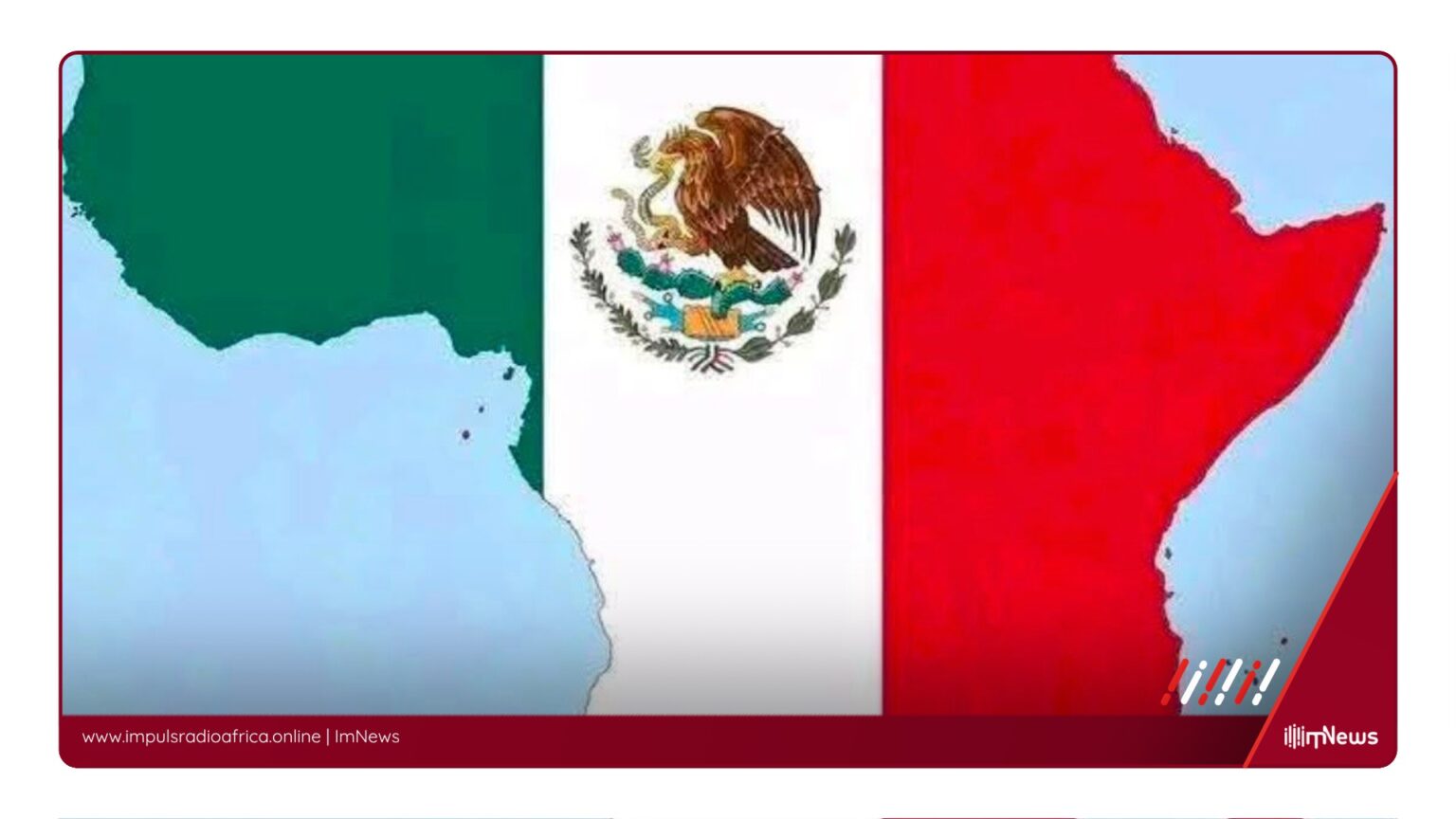
The viral images of the African continent draped in the colors of Mexico, with only South Africa’s national hues visible, reflect a perception that the promise of unity is being undermined by the reality of exclusion.
The African Union’s Protocol on the Free Movement of Persons remains among the least ratified instruments, with visa restrictions and border bureaucracy often treating immigration as a security threat rather than an opportunity. This contradiction is not just symbolic; it threatens the credibility of the African integration project.
The jeering of South Africa at the World Cup should be heard as a warning. Africa cannot claim “One Africa, One Market “while practicing “Every State for Itself. “.
The path forward requires a paradigm shift, recognizing the free movement of people as an indispensable engine of growth. It demands moving beyond rhetoric and into the hard work of implementing policies that facilitate the movement of talent and ideas.
As the World Cup progresses, the world watches to see how these issues will be addressed.
The outcome will not only affect the players and fans involved but also the future of Pan — Africanism and the continent’s ability to overcome its internal and external challenges.
*Additional reporting by ImNews | Sources consulted: 5*
—
This original article was produced by the ImNews editorial team
Source: Panafricanvisions
Source: Pan African Visions