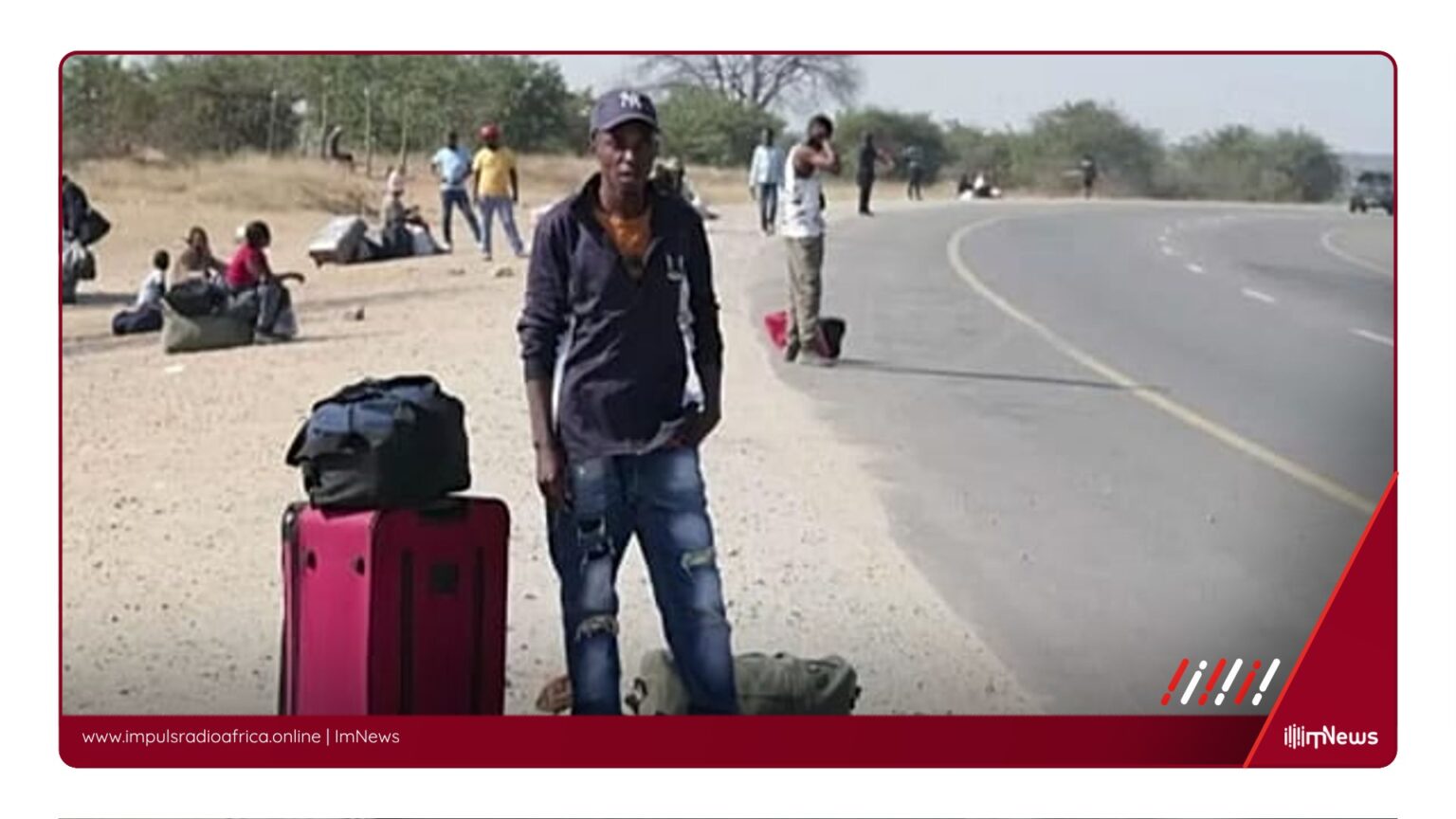
Zimbabweans Return Home in Mass Amid South Africa’s Anti-Immigrant Wave BODY: JOHANNESBURG, South Africa – A substantial wave of migration has seen nearly 100,000 Zimbabweans repatriate to their homeland since the end of May, triggered by escalating anti-immigrant sentiment in South Africa. This exodus follows the South African government’s deadline for undocumented foreigners to “self-deport, “which loomed over the end of June. Most of the returnees are women and children, having undergone screening and profiling at the border.
The Zimbabwean government has collaborated with health officials, Doctors Without Borders, and other partners to provide medical services at the Beitbridge transit center. Efforts have been expanded to assist the growing number of citizens requiring repatriation and reintegration support. Harare estimates that approximately two million Zimbabweans reside in South Africa, with expectations that over half will eventually return.
This trend has prompted the Zimbabwean government to assist not only its citizens but also Malawians and Zambians transiting through South Africa as they seek to return to their respective countries.
The repatriation process involves multiple government ministries, civil society, and United Nations agencies, offering transport, food, shelter, medical care, and access to education for returning families. This initiative reflects a broader strategy to aid reintegration and ensure a smoother transition for those affected by the mass migration.
The Zimbabwean government has been vocal about the economic implications of this exodus, warning of potential downturns as skilled workers return home. Conversely, some Zimbabweans argue that their presence is vital to South Africa’s economy, filling roles that locals may not be willing to take. International organizations such as the World Food Programme and Unicef have joined efforts to provide support to the returning Zimbabweans, offering essentials like food, blankets, and child-friendly play centers.
As the situation unfolds, the mass return of Zimbabweans from South Africa underscores the complexities of immigration policies in the region and the economic implications for both nations.
The debate on the role of immigrants in South Africa’s economy and the need for a comprehensive approach to immigration management is likely to intensify in the coming months.
*Additional reporting by ImNews | Sources consulted: 5*
—
This original article was produced by the ImNews editorial team
Source: Africanews
Source: Rédaction Africanews