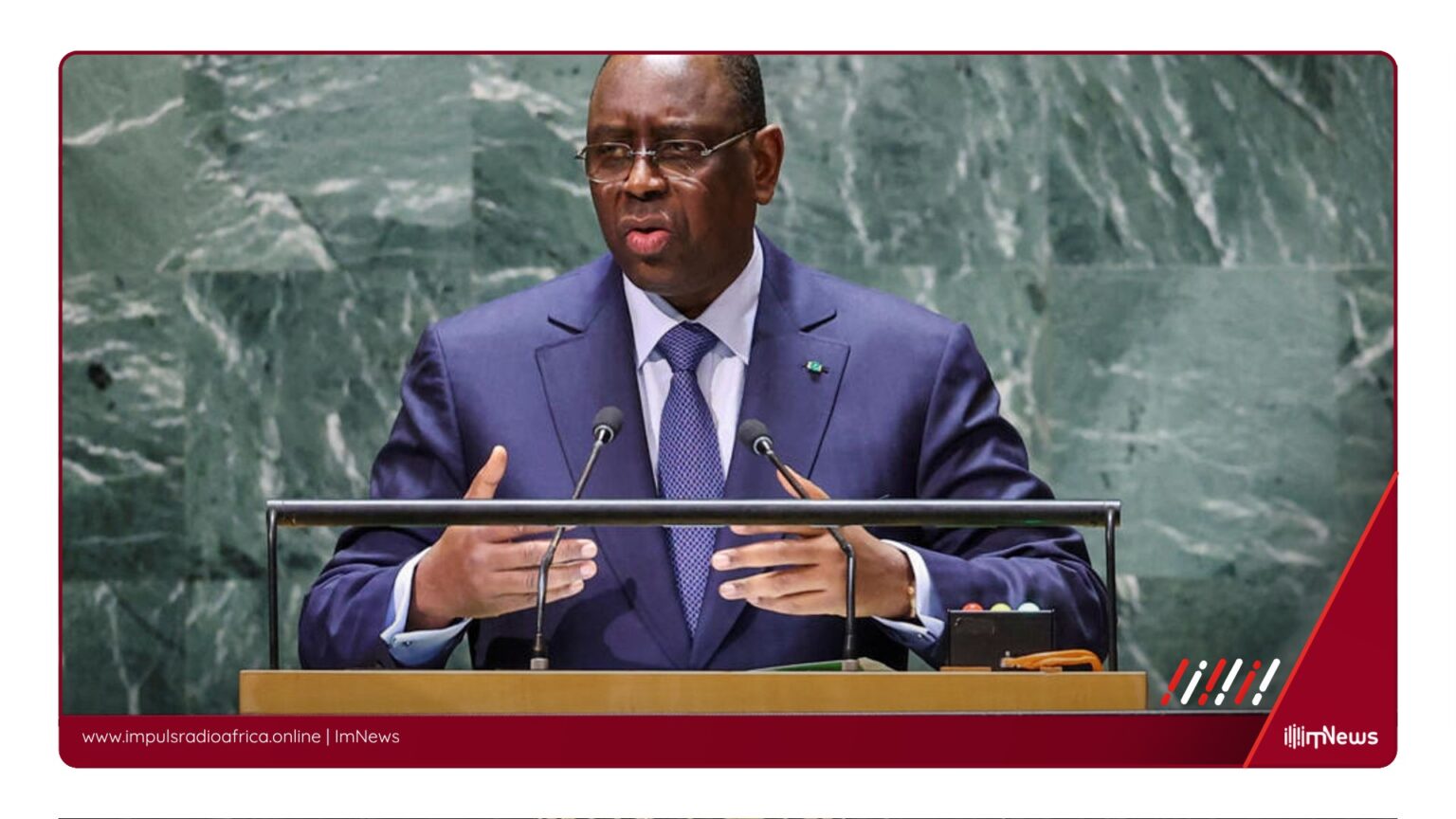
Accra, Ghana — On July 14, 2026, former Senegalese President Macky Sall returned to his homeland for the first time since stepping down in April 2024, his visit tied to his bid for the position of United Nations Secretary-General. This trip, marked as a pivotal moment in his campaign, is laden with political implications for both Senegal and the African continent. Sall’s visit includes a meeting with his successor, President Bassirou Diomaye Faye, a crucial step in securing Senegal’s official support for his UN bid.
Despite Sall’s presidency being characterized by economic growth and anti-corruption efforts, it has also been mired in controversy. His attempt to postpone the 2024 presidential election, which sparked deadly protests, has made him a polarizing figure in Senegal. During his presidency, Sall’s government was accused of misreporting key economic data, including debt and deficit figures, prompting the International Monetary Fund to suspend loans.
He denies any wrongdoing.
The visit has also drawn criticism from associations representing families of those who died in opposition protests during his rule, who call for justice to be served. Sall is among five candidates for the UN post, including former Costa Rican vice-president Rebeca Grynspan, Chile’s former president Michelle Bachelet, Argentine diplomat Rafael Grossi, and Maria Fernanda Espinosa, a diplomat from Ecuador.
The UN is set to choose its 10th secretary-general this year for a five-year term starting January 1, 2027. Sall’s nomination by Burundi, the current chair of the African Union, has not garnered the support of his own country or the continental bloc.
In March, around 20 AU member states, including Senegal, declined to back his candidacy.
As Sall meets with President Faye, the outcome of their discussion could significantly impact his bid. With Senegal’s official backing yet to be announced, the visit is a critical opportunity for Sall to present his vision for the UN and address concerns about his leadership style and policies during his presidency. Sall’s campaign for the UN Secretary-General position reflects a broader trend of former African leaders seeking international roles after leaving office.
This trend raises questions about the continent’s political dynamics and the role of experience in global governance.
As Sall continues his campaign trail, his ability to navigate international diplomacy and address the UN’s pressing global issues will be closely watched. His return to Senegal is a testament to his determination to pursue this ambitious goal, despite the challenges ahead.
*Additional reporting by ImNews | Sources consulted: 5*
—
This original article was produced by the ImNews editorial team
Source: rfi
Source: RFI