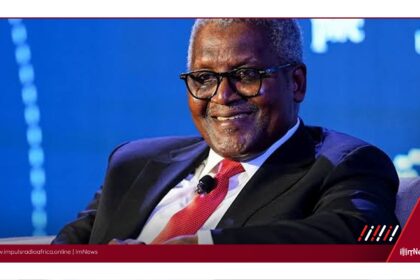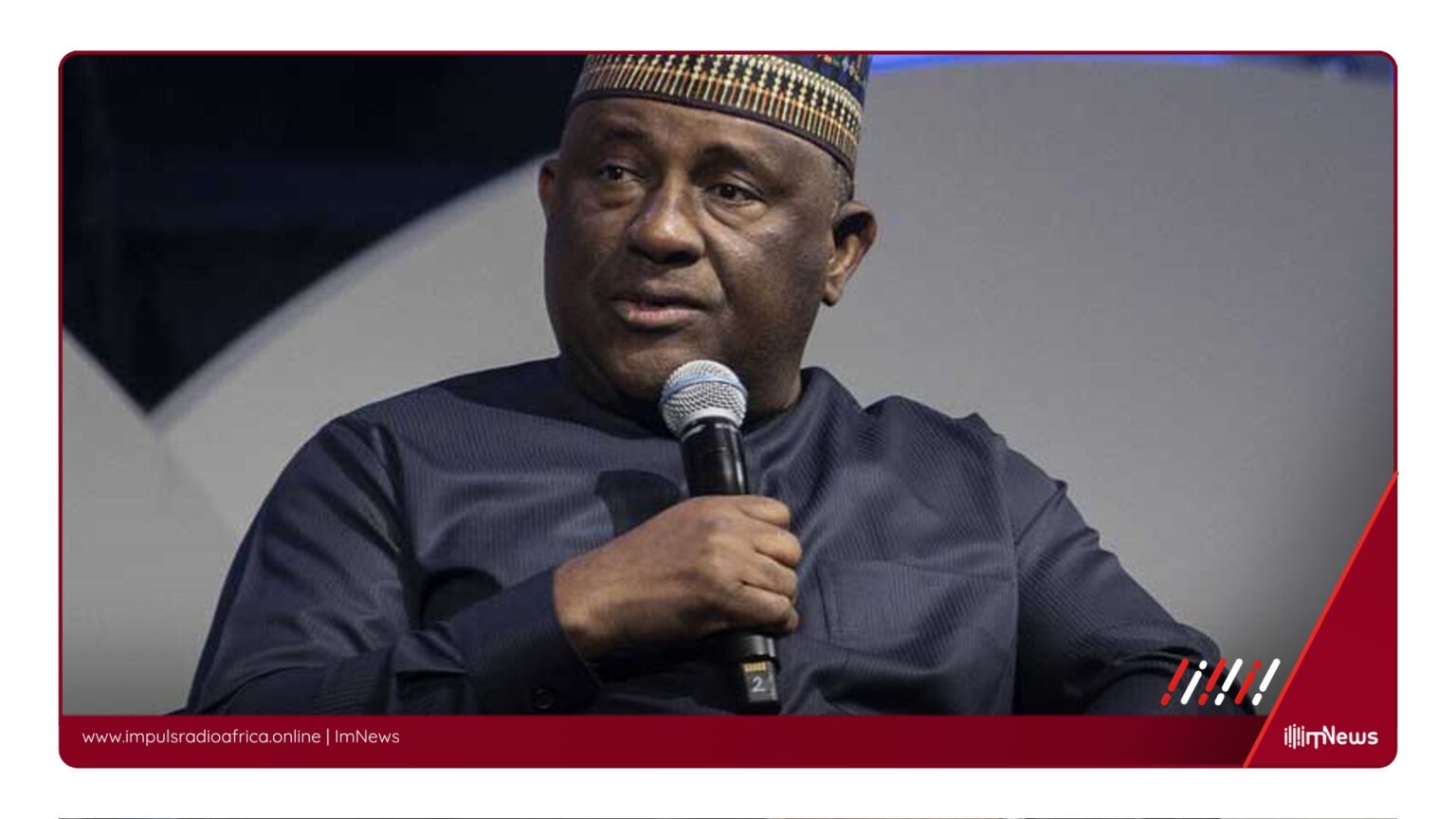
Abuja, Nigeria — BUA Foods, a Nigerian conglomerate led by billionaire Abdulsamad Rabiu, has approved a historic dividend payout of $363 million, marking a significant financial distribution to its shareholders.
The dividend payout, equivalent to N504 billion, is set to occur in July 2026 and reflects the company’s robust financial performance and profitability.
The decision was made during the company’s fifth annual general meeting, showcasing its financial health and the confidence it has in its future performance.
According to Forbes’2026 Africa billionaires list, Rabiu is recognized as Africa’s third-richest billionaire.
The payout, which is a substantial amount for the company and its shareholders, reflects a 115% increase from the previous year’s dividend and is backed by a 95% surge in profit after tax, reaching N518. 4 billion. Total revenue for the 2025 financial year grew by 16% to N1.
77 trillion, with strong demand for staples such as sugar, pasta, and bakery flour despite economic challenges.
As the largest shareholder, Rabiu is set to receive about $323 million from this distribution. This dividend is one of the largest ever declared by a company listed on the Nigerian Exchange. During the meeting, Rabiu also outlined a major expansion plan intended to make BUA Foods the largest food manufacturer in Nigeria by next year.
This strategy involves increasing wheat milling capacity, completing the development of the edible oils business, and entering the noodles market, all aimed at supporting national food security and reducing the country’s reliance on imports.
The approval of this record dividend payout by BUA Foods is a significant development in the African business landscape, highlighting the growing influence of private capital in shaping the continent’s economy.
As more African businesses achieve financial success, the continent’s economy is poised for further growth and development.
However, it is important to note that while the dividend payout is a positive sign for BUA Foods and its shareholders, it also comes at a time when the African economy faces several challenges, including inflation, political instability, and global economic uncertainties.
*Additional reporting by ImNews | Sources consulted: 5*
—
This original article was produced by the ImNews editorial team
Source: Africa.businessinsider
Source: Awogbemila Temitope