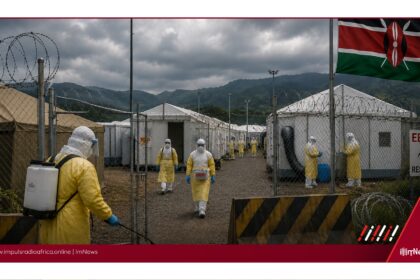
Kampala, Uganda — In a significant milestone for public health in Uganda, the last confirmed case of the Ebola outbreak has been discharged after testing negative for the virus for a second time, marking the beginning of a 42-day countdown to declare the country free of the disease. This development follows the declaration of the outbreak on May 15, 2026, and as of July 16, 2026, a total of 20 confirmed cases and two deaths have been reported.
The 42-day period is the established phase before an outbreak can be declared over, provided no new confirmed cases are detected during this time. Health Minister Dr. Chris Baryomunsi emphasized the success of the country’s efforts to contain the outbreak, stating, “It has been two months since we declared the outbreak, and we are now celebrating the discharge of the last patient.
This shows that Ebola is defeatable if we adhere to measures and establish strong systems. “.
The response to the outbreak, which was attributed to the Bundibugyo virus disease, has been intensive and comprehensive. It included rapid case detection, laboratory testing, contact tracing, infection prevention and control measures, case management, risk communication and community engagement, and cross-border collaboration with the Democratic Republic of the Congo.
The Ugandan Ministry of Health, with support from the World Health Organization (WHO) and other partners, has played a pivotal role in the response. This includes mobilizing around 70 technical experts into the national response, strengthening laboratory capacity, coordinating logistics, supporting surveillance and contact tracing, providing medical supplies and equipment, and working with affected communities. Dr.
Kasonde Mwinga, WHO Representative in Uganda, highlighted the dedication of Uganda’s leadership, health workers, case investigation teams, communities, and partners who have worked hard to interrupt transmission. “While this is an encouraging moment, it is not the end of the response. Maintaining strong surveillance, rapid investigation of alerts, and community engagement into the future will be essential to achieving and sustaining success. “.
As Uganda exits the initial acute phase of the emergency, the focus will shift to maintaining high levels of vigilance and operational readiness across all border areas to sustain rapid detection and trigger new response operations when needed.
The Ugandan government has also launched a new six — month plan to maintain and strengthen existing interventions to reduce the likelihood of resurgence and limit the potential for wider geographical spread.
The success in Uganda serves as an example for other African countries facing similar challenges, emphasizing the importance of early detection, rapid response, and community engagement in managing outbreaks of infectious diseases.
As the country moves towards being declared Ebola — free, the Ugandan government and health experts are hopeful that this will be a turning point in the country’s response to the virus and serve as a foundation for future preparedness.
*Additional reporting by ImNews | Sources consulted: 5*
—
This original article was produced by the ImNews editorial team
Source: reliefweb
Source: World Health Organization