Mauritania and Mali: Transhumance Suspended Amid Security Concerns and Resource Scarcity DATELINE: Nouakchott, Mauritania – 2026-07-17 LEAD The traditional transhumance movement of livestock between Mauritania and Mali has been suspended for security reasons, according to the latest Bulletin de Surveillance Pastorale de la Mauritanie N°39 (April – May 2026).
The halt in this seasonal migration, which is vital for the pastoral communities of both countries, has been accompanied by concerns over resource scarcity and livestock health. NUT GRAF: The suspension of transhumance, a practice deeply rooted in the cultural and economic fabric of the Sahel region, highlights the complex interplay of security, climate change, and resource management.
Despite efforts to maintain livestock health, the challenges faced by pastoralists in the region are mounting, with concerns over food security and economic stability looming large.
The transhumance route between Mauritania and Mali has historically been a lifeline for pastoralists, allowing them to access grazing lands and water sources essential for their livelihoods.
However, the recent suspension is a response to escalating security tensions and the need to prioritize the safety of pastoral communities.
According to the Action contre la Faim France report, the security reasons for the halt are multifaceted.
The report indicates that the situation in the border regions has become increasingly volatile, with cross — border movements by armed groups posing a significant threat to the safety of herders and their livestock.
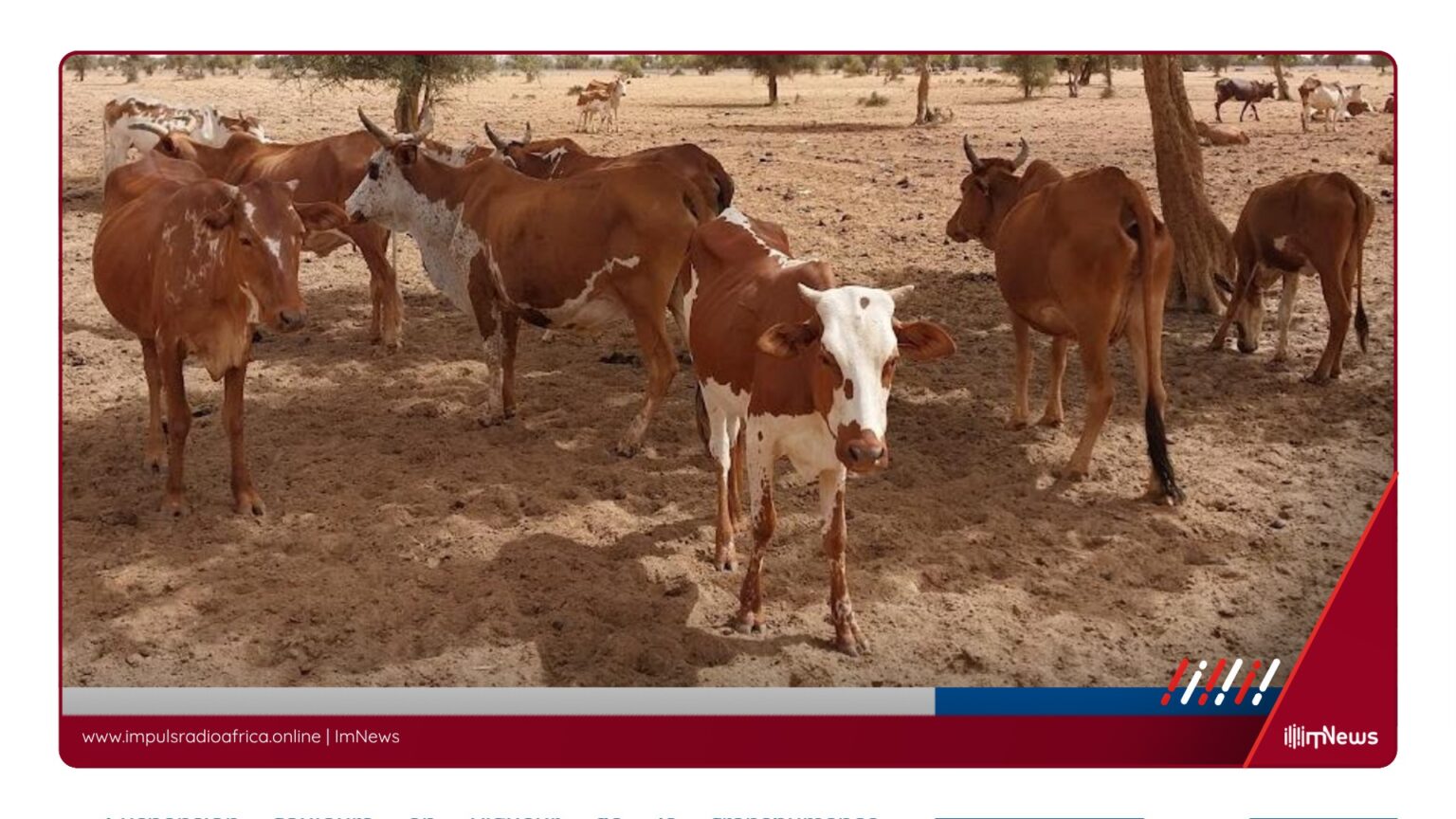
The pastoral resources in several monitoring areas in Mauritania have been described as deficient to moderate during the period covered by the bulletin.
This has raised concerns about the availability of grazing lands and water sources, which are crucial for the health and productivity of the herds. Despite the resource deficiencies, the livestock in the monitored areas were reported to be in generally satisfactory body condition.
However, there have been suspected cases of vitamin deficiencies and animal diseases such as foot — and-mouth disease, PPR, and pasteurellosis.
A national livestock vaccination campaign is underway to address these health concerns among the herds.
The bulletins from rim — rural. Org and sigsahel.
Info provide insights into the specific challenges faced by pastoral communities in both Mauritania and Mali.
These challenges include resource scarcity and animal health issues, which are further exacerbated by the suspension of transhumance.
The situation underscores the broader impacts of climate change and political instability on pastoralist communities in the Sahel region.
The suspension of transhumance not only affects the immediate livelihoods of pastoralists but also has long — term implications for food security and economic stability in the region.
The Action contre la Faim France report suggests that the priority is to ensure the safety of pastoralists while exploring ways to resume transhumance in a manner that minimizes security risks. This will likely require coordinated efforts between government authorities, humanitarian organizations, and local communities.
KICKER: As the region grapples with the dual challenges of security and resource scarcity, the future of transhumance in the Sahel remains uncertain.
The success of any future transhumance efforts will depend on the ability to balance security concerns with the need to maintain the vital link between pastoralists and their traditional grazing lands.
*Additional reporting by ImNews | Sources consulted: 5*
—
This original article was produced by the ImNews editorial team
Source: reliefweb
Source: Action contre la Faim France