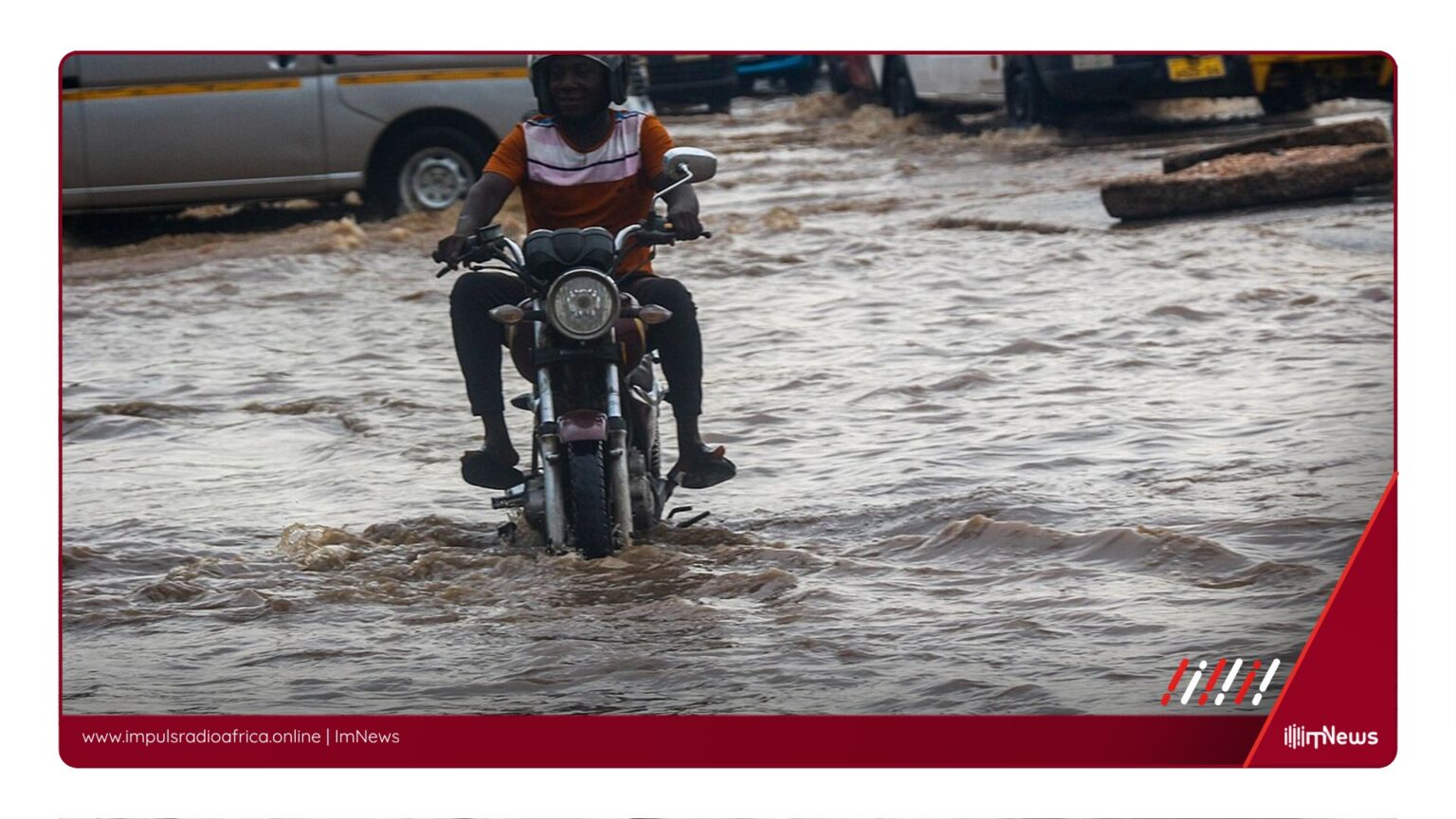
Lagos, Nigeria — A new study underscores the critical role of climate change and rapid urbanization in the severe flooding that recently affected West Africa, specifically Togo, Ghana, and Côte d’Ivoire.
The intense rainfall event, which caused widespread damage and took nearly 100 lives, has prompted warnings from experts that such events may become increasingly frequent.
The World Weather Attribution group attributes the heightened likelihood of this severe flooding to climate change, which has increased the intensity of rainfall by approximately 23%. This intensification is a direct consequence of the Earth’s atmosphere warming, which can hold more moisture and result in more severe precipitation events.
The flooding was about five times more likely to occur in the current climate compared to a pre — industrial one.
The intense three — day rainfall overwhelmed drainage systems, exacerbating the flood’s severity.
The UN Climate Change Executive Secretary, Simon Stiell, emphasized the need for global efforts to transition from fossil fuels to clean energy, invest in climate resilience, and protect forests. Officials commented on the matter.
In addition to climate change, the rapid urbanization and inadequate infrastructure in coastal cities of West Africa have also contributed to the severity of the floods.
A Studio Global article highlighted that aging drainage systems and inadequate infrastructure overwhelmed by the intense rainfall exacerbated the flooding in the region. This situation is part of the EU’s Global Gateway Africa-Europe Investment Package, which aims to support Africa’s strong, inclusive, green, and digital recovery and transformation.
The severe flooding in West Africa is a stark reminder of the urgent need for climate adaptation and resilience building.
As climate change continues to exacerbate the frequency and intensity of extreme weather events, it is crucial for African countries to invest in sustainable infrastructure and renewable energy to mitigate the impacts of climate change and protect their populations.
*Additional reporting by ImNews | Sources consulted: 5*
—
This original article was produced by the ImNews editorial team
Source: Panafricanvisions
Source: Pan African Visions