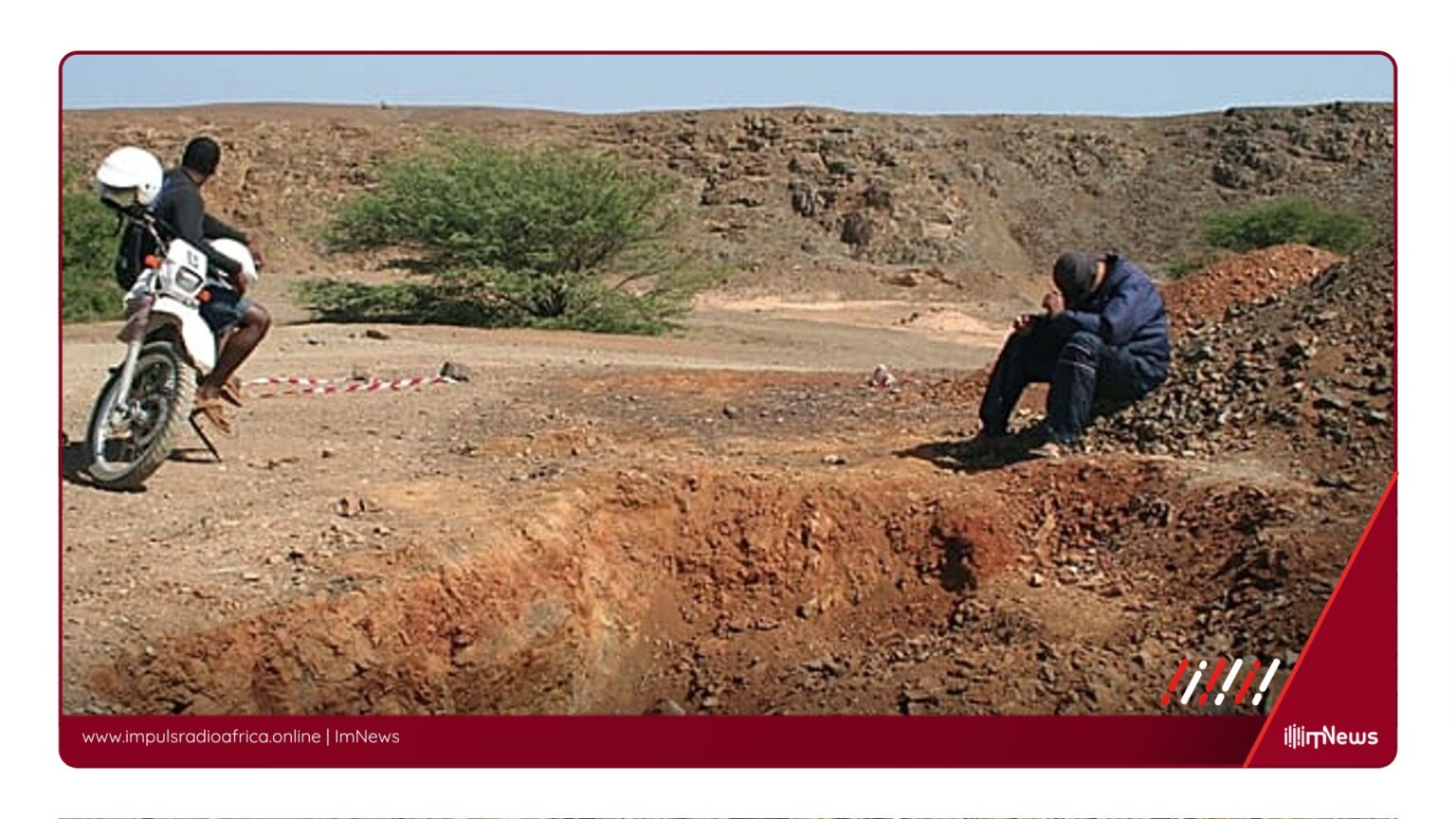
Cape Verde’s Beach Women: The Hidden Cost of Sand Extraction In Santiago, Cape Verde, the serene beauty of the island nation’s beaches belies a harsh reality. Women, colloquially termed “sand thieves, “toil tirelessly on the rugged coastline, extracting sand that is then sold on the black market. This clandestine trade has become a lifeline for many in one of the country’s poorest regions, far from the idyllic postcard images of the West African archipelago.
Maria Eleonore Monteiro and Vania Tavares, among others, are among these women. They gather black sand from the beach as soon as the waves recede, their buckets filled with the heavy loads they carry on their heads to a clandestine stockpile. This perilous routine, performed almost daily for over 15 years, is a silent dance during low tide at Charco Beach, near Ribeira da Barca.
The sand, often collected over weeks, is sold to contractors or resellers for approximately $140 per load, a price that is still cheaper than legally extracted sand from quarries.
The illegal sand trade is a direct consequence of Cape Verde’s limited natural resources and the high demand for construction materials, driven by the country’s reliance on tourism and subsequent construction activities.
The human toll of this trade is immense.
The women’s work is grueling and dangerous, as they struggle to maintain their footing against the powerful Atlantic surf while balancing loads that weigh dozens of kilograms.
The beach is far from the typical image of Cape Verde, and the women’s solemn expressions reflect the harsh reality of their daily lives. Monteiro, exhausted after a trip to the stockpile, told AFP, “It’s my only alternative, I have no other job. “Her legs bear scars from falls and accidents on the rocks, a testament to the risks she faces daily.
The economic impact of the illegal sand trade is complex. While it contributes to the informal economy and provides a livelihood for many, it also poses environmental risks, including erosion and damage to coastal ecosystems.
The Energy Tribune reports that the workers’efforts to maintain their balance against the Atlantic’s powerful surf and carry the heavy loads highlight the dangerous nature of their work.
The future of the women sand miners remains uncertain. Cape Verde’s government has been aware of the illegal trade but has faced challenges in enforcing regulations.
As the country continues to develop, the demand for construction materials is likely to increase, potentially exacerbating the situation for these women.
The plight of Cape Verde’s women sand miners is a poignant reminder of the human cost behind the construction boom.
As the country seeks to develop its economy, it must also address the challenges faced by those who are left behind, struggling to survive in a landscape that is both beautiful and unforgiving.
*Additional reporting by ImNews | Sources consulted: 5*
—
This original article was produced by the ImNews editorial team
Source: Africanews
Source: Rédaction Africanews