Gabon’s Political Landscape: Glimmers of Female Leadership Amidst Male-Dominance Libreville, Gabon – July 17, 2026 In a subtle shift within Gabon’s political sphere, the nation is witnessing a gradual increase in female leadership, albeit within a predominantly male-dominated landscape. This development comes amidst a broader political transformation following the end of the Bongo dynasty’s rule, which spanned over five decades.
The Gabonese government has been actively promoting a new political model focused on economic attractiveness, administrative modernization, and the restoration of public authority. This vision includes initiatives aimed at fostering female leadership and ensuring women’s voices are heard in decision-making processes.
As of May 2026, the Gabonese government has recognized the contributions of President Brice Clotaire Oligui Nguema to higher education and scientific research, highlighting the government’s commitment to advancing these sectors crucial for the nation’s development.
Additionally, discussions on agricultural research and rapid response to crises have been prioritized. Despite these advancements, the political leadership in Gabon remains largely male-dominated.
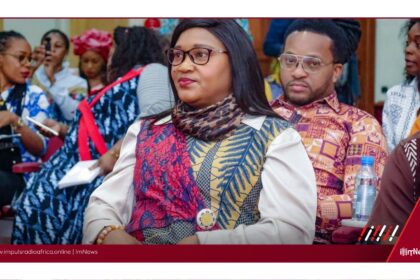
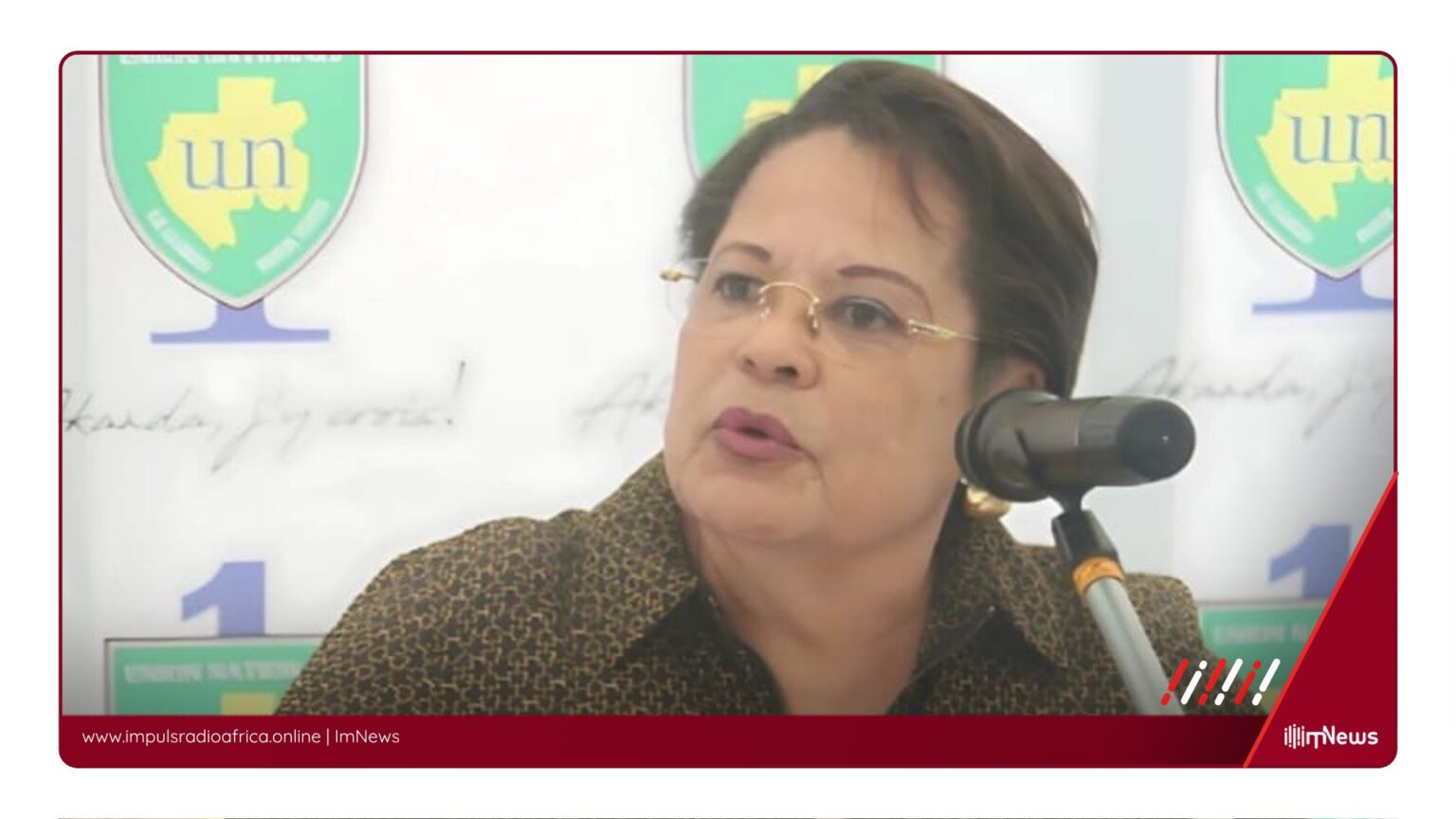
A report by the Ministry of the Interior indicates that the leadership of political parties is still predominantly male, suggesting that while progress has been made, there is still a long way to go in achieving gender parity in the nation’s political sphere. Four women currently head recognized political parties in Gabon: Jeanine Taty Koumba, Anna Claudine Ayo-Mavioga, Jessica Pessy, and Marie Joselle Itsana. Their appointments, often in the context of succession or internal reorganization, illustrate the challenges and opportunities for women in politics.
The Gabonese government’s efforts to modernize administration and restore public authority have been met with both optimism and skepticism. Critics argue that the current administration’s approach is more rhetoric than action, while supporters believe that these changes are a step in the right direction.
As Gabon continues to navigate its political transition, the nation’s leaders must ensure that the progress made in promoting female leadership is not just symbolic but translates into meaningful change.
The next few years will be crucial in determining whether the government’s commitment to gender equality will lead to a more inclusive and representative political system.
*Additional reporting by ImNews | Sources consulted: 5*
—
This original article was produced by the ImNews editorial team
Source: Agpgabon
Source: Redaction