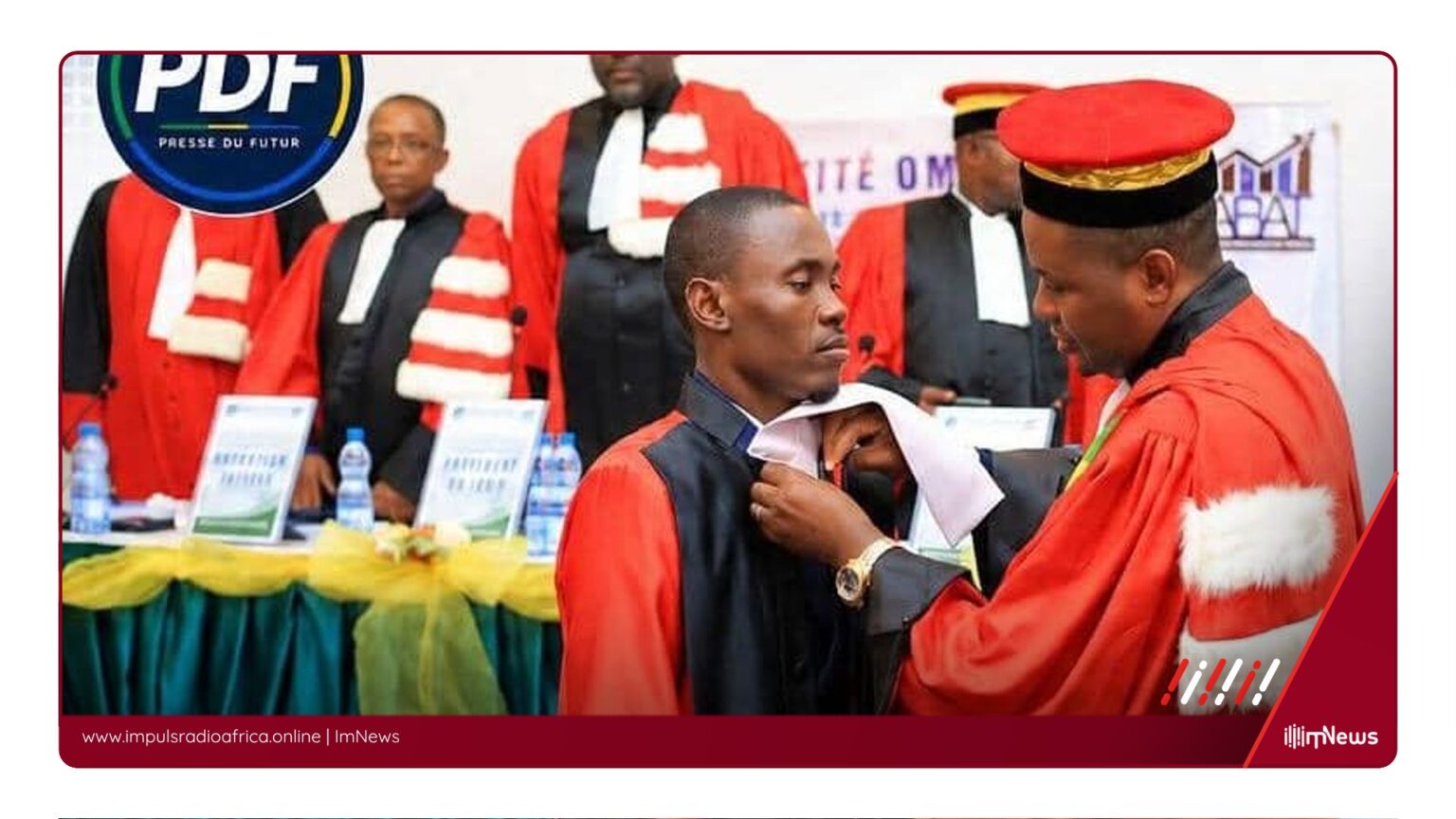
Officials commented on the matter. Van Shiley Mavoungou Mouity, a Gabonese economist, has successfully defended a thesis at the Université Omar Bongo (UOB) in Libreville, focusing on the impact of economic policies on gender inequalities in Sub-Saharan Africa.
The thesis, titled “Politiques économiques et inégalités de genre dans les pays d’Afrique subsaharienne, “delves into the complex relationship between economic growth and persistent gender disparities in the region.
The defense, held on July 17, 2026, has sparked a critical discussion on the role of economic policies in perpetuating gender gaps, particularly in education, employment, and access to resources, not only in Gabon but across Sub-Saharan Africa. Gabon’s economic landscape, characterized by modest growth primarily driven by the oil sector and public works, has not been evenly distributed. Despite the country’s economic progress, over a third of Gabonese live in poverty, and unemployment stands at 20% of the workforce, according to the World Bank’s 2025 Gabon Economic Update.
Dr. Mouity’s research reveals that the educational disparities between genders in Gabon are stark. While the 2026 Certificate of Primary Education (CEP) exams saw a 98% pass rate, women remain underrepresented in STEM fields and leadership positions in higher education.
The thesis highlights that economic policies in Gabon, which have traditionally focused on extractive industries and public works, have inadvertently created more opportunities for men, who are more likely to work in these sectors. Women, on the other hand, are often confined to the informal sector or traditional roles.
The African Development Bank (AfDB) has noted that Gabon’s economic growth slowed to 2. 7% in 2025, mainly due to contractions in oil production and mining. This underscores the need for policy reforms that promote economic diversification and inclusion, prioritizing gender equality in education, employment, and access to resources.
Dr. Mouity’s thesis suggests that such reforms should focus on the development of an Indicator sexospécifique d’accès au bien-être (ISAB), a new tool for analyzing gender-specific access to well-being.
The research proposes several recommendations aimed at fostering more inclusive economic policies, particularly in the realms of education, health, female employment, and gender — sensitive budgeting.
The implications of Dr. Mouity’s thesis extend beyond Gabon, offering a critical call to action for policymakers and stakeholders across Sub-Saharan Africa to address the root causes of gender disparities and promote inclusive growth.
As countries in the region continue to navigate the complexities of economic development, the insights from this thesis serve as a vital reference point for prioritizing gender equality in economic planning and implementation.
*Additional reporting by ImNews | Sources consulted: 5*
—
This original article was produced by the ImNews editorial team
Source: Agpgabon
Source: Redaction