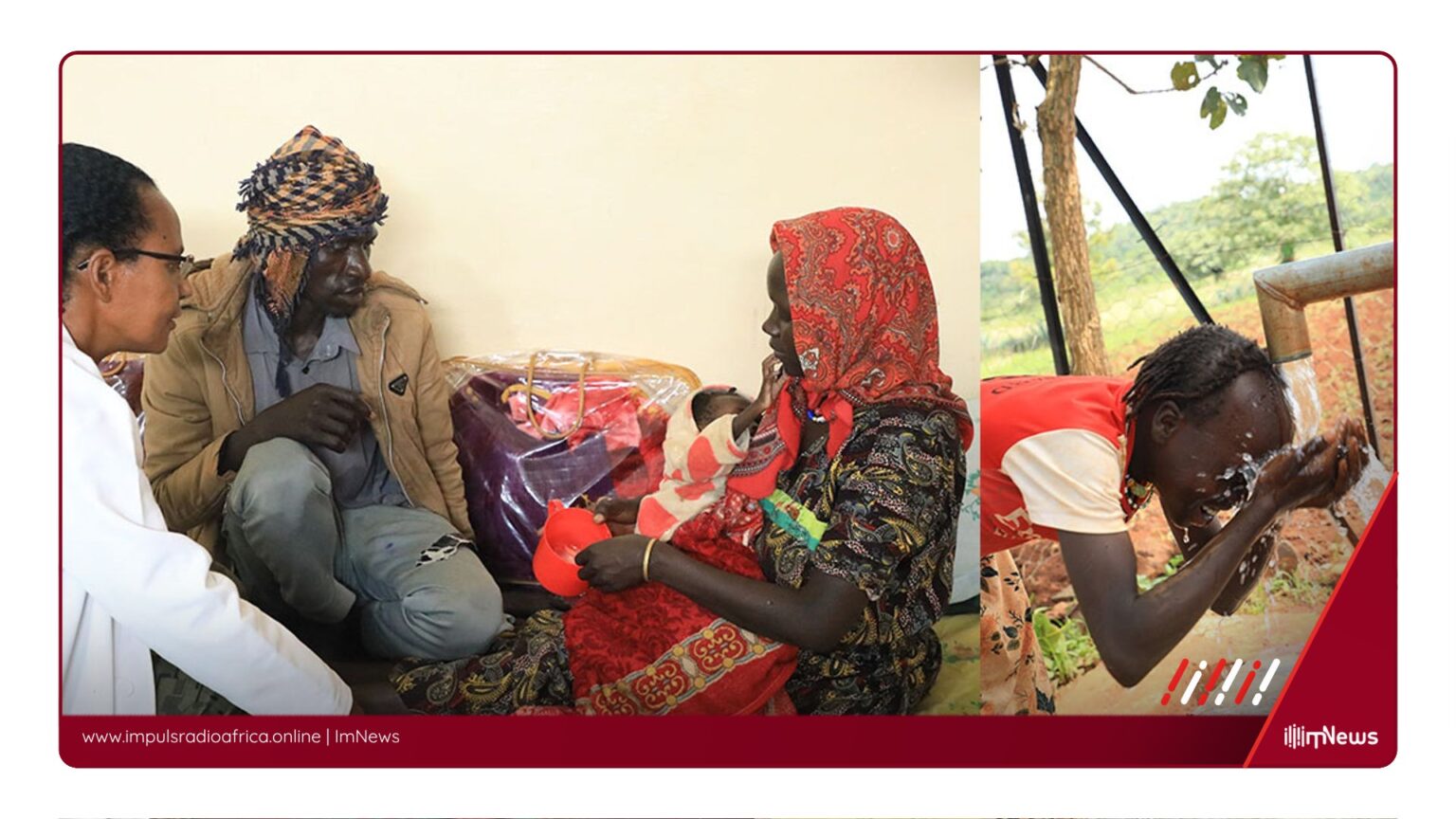
Officials commented on the matter. By 2025, over 20 million Ethiopians have gained access to improved water supply and sanitation services, marking a significant stride in bridging the survival gap in rural areas.
The OWNP, launched in 2013, aims to enhance health and well-being by expanding access to water supply and sanitation services while promoting sustainable hygiene practices.
The Ethiopia Water Supply, Sanitation, and Hygiene Project (2014-2021) has already provided improved services to over 10. 9 million people, and the One WASH-Consolidated Water Supply, Sanitation, and Hygiene Account Project (2019-2027) is expected to benefit an additional 8. 6 million people by 2027.
Water — smart innovations, such as multipurpose ponds and small-scale irrigation systems, are not only transforming agriculture but also improving daily life in rural Ethiopian communities. These innovations are particularly beneficial to women and girls, who now save time and reduce the risk of waterborne diseases.
The World Bank’s support for the OWNP underscores the importance of international cooperation in addressing WASH challenges.
The African Union’s focus on sustainable water availability and safe sanitation systems reflects a regional commitment to improving WASH access and sustainability.
The Ethiopian government’s efforts have been recognized both nationally and internationally.
The country’s backing of the African Union’s 2026 water and sanitation agenda, which emphasizes measurable action over rhetoric, demonstrates a commitment to sustainable water management.
Despite these advancements, challenges remain.
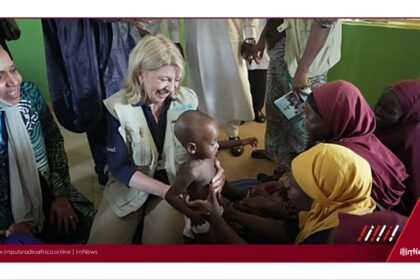
The Tigray region, for instance, has faced difficulties in accessing water due to long distances and the destruction of water supply systems during the northern conflict. Relief organizations have been working to bring water closer to homes, changing lives in the region.
The 2026 United Nations Water Conference will further highlight the global importance of water security and sanitation, and Ethiopia’s progress in these areas will be a testament to the country’s dedication to achieving the Sustainable Development Goals (SDGs).
As Ethiopia continues to invest in WASH infrastructure and programs, the hope is that these efforts will lead to a healthier, more resilient population and a stronger economy.
The journey from water to wellness in rural Ethiopia is a testament to what can be achieved when resources, innovation, and international cooperation converge.
*Additional reporting by ImNews | Sources consulted: 5*
—
This original article was produced by the ImNews editorial team
Source: thereporterethiopia
Source: Tsion Tadesse