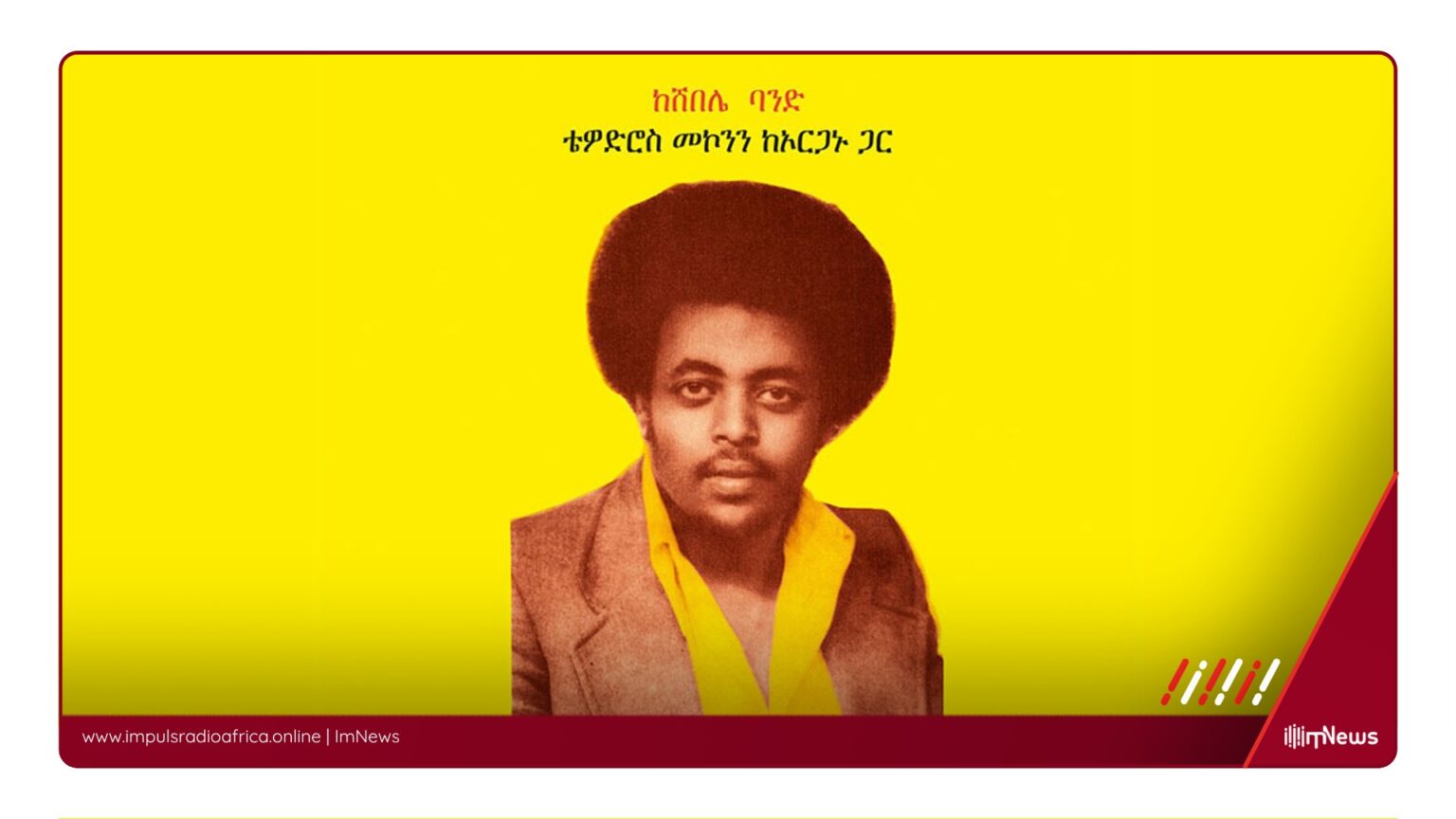
Teddy Mak’s Electronic Odyssey: Revolutionizing Ethiopian Soundscapes in the Curfew Era ADDIS ABABA, ETHIOPIA – In the early 1980s, amidst the political turmoil of the Derg regime, a new sound emerged from the heart of Addis Ababa. Teodros Makonnen, known as Teddy Mak, was a pioneer who challenged the status quo by introducing electronic instruments and digital production into Ethiopian music. His midnight recording sessions at the Wabi Shebelle Hotel restaurant became legendary, as he and his peers defied military curfews to create music that would redefine the sound of Ethiopia.
Teddy Mak’s journey began in a time when electronic instruments were seen as novelties in Ethiopian music.
The early 1980s were a musical crossroads, with traditional styles dominating the scene.
However, Teddy Mak saw potential in these new technologies and embraced them wholeheartedly.
His innovative approach to music production was a testament to his defiance of the strict curfews and censorship imposed by the regime.
The Wabi Shebelle Hotel restaurant, located in the bustling heart of Addis Ababa, became the epicenter of Teddy Mak’s musical revolution. It was here that he and his peers would gather late at night, after the curfew had been lifted, to experiment with synthesizers and drum machines.
These midnight sessions were not just about creating music; they were a statement of defiance against the oppressive regime.
Teddy Mak’s music, characterized by its fusion of traditional Ethiopian sounds with electronic elements, gained popularity quickly. His single ‘Young Youth,’released on Apple Music in 2025, is a prime example of his groundbreaking work.
The song, which captures the essence of the curfew era, has since become an anthem for a generation.
The early adoption of electronic instruments and digital production in Ethiopian music was not without its challenges. Teddy Mak and his peers faced skepticism from traditional music enthusiasts who viewed these new technologies as a threat to the purity of Ethiopian music.
However, Teddy Mak’s unwavering belief in the power of electronic music eventually won over the critics. Teddy Mak’s legacy extends beyond his music. He is celebrated as a key figure in the development of Ethiopian music, particularly for his use of electronic instruments and digital production.
His midnight recording sessions at the Wabi Shebelle Hotel restaurant are now seen as a pivotal moment in Ethiopian music history. Today, electronic music has become an integral part of the Ethiopian music scene.
The influence of Teddy Mak’s work can be seen in the work of contemporary artists like Teddy Afro, who continues to push the boundaries of Ethiopian music with his innovative sound.
As Ethiopia looks to the future, the legacy of Teddy Mak remains a source of inspiration for artists and musicians across the continent. His defiance of the curfew era and his embrace of new technologies have left an indelible mark on the sound of Ethiopia and the world.
The story of Teddy Mak is a reminder that music has the power to transcend borders and unite people.
His midnight recording sessions at the Wabi Shebelle Hotel restaurant may have been a small act of defiance, but their impact has been profound. Teddy Mak’s electronic odyssey has rewritten the sound of Ethiopia and left an enduring legacy that will continue to inspire generations to come.
*Additional reporting by ImNews | Sources consulted: 5*
—
This original article was produced by the ImNews editorial team
Source: thereporterethiopia
Source: Abraham Tekle