
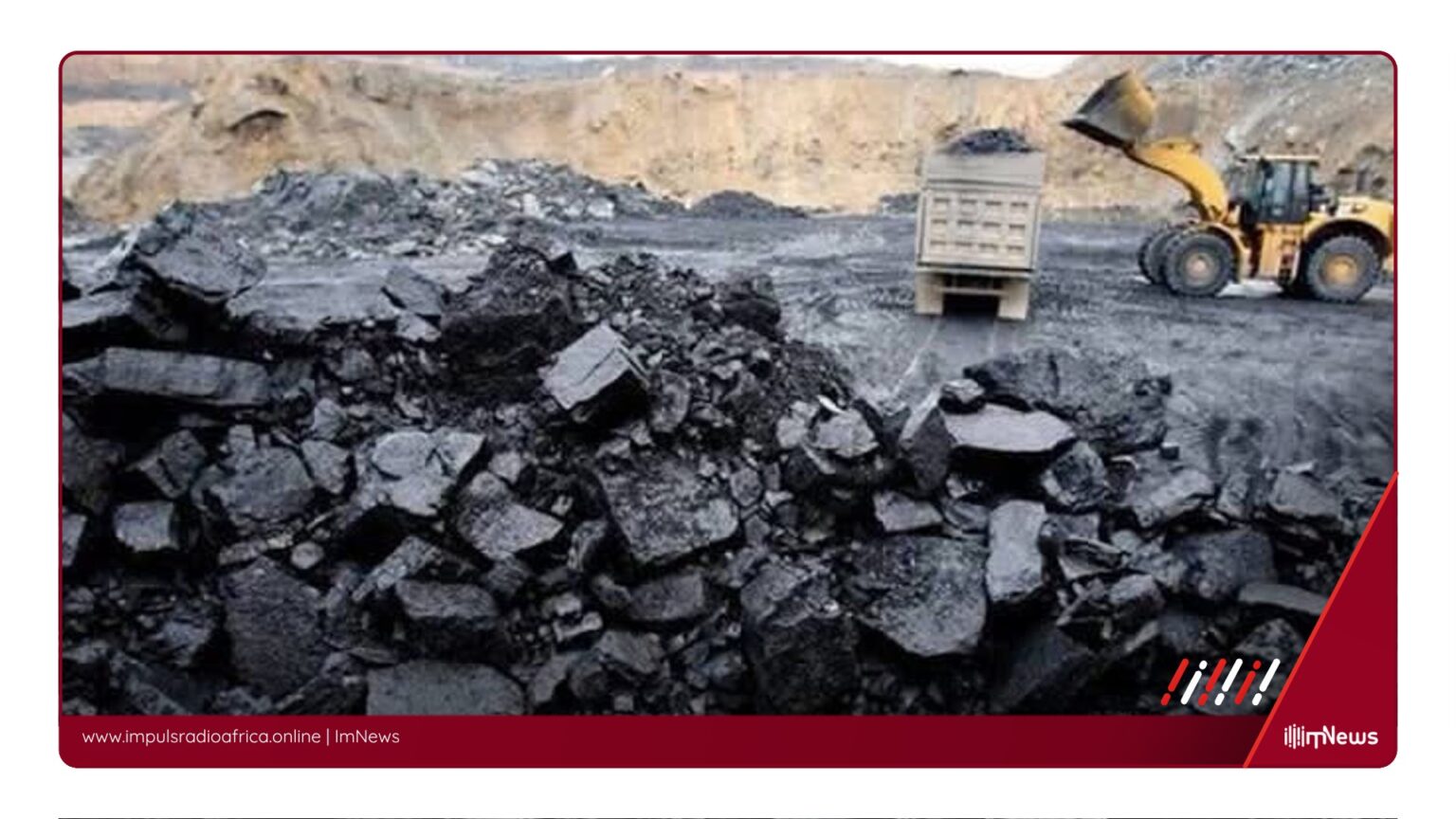
Congo’s Historic Lithium Exports to China Kick Off Amid Global Supply Chain Shift BODY: KINSHASA, Democratic Republic of Congo – The Democratic Republic of Congo (DRC) has commenced its first lithium exports to China, marking a historic moment for the nation’s economy and the global supply chain.
The exports, which began in June 2026, are set to bolster the DRC’s position as a key player in the battery mineral market, diversifying its reliance on traditional minerals like copper and cobalt. China’s Zijin Mining, a major player in the global mining sector, is at the forefront of these exports, utilizing the Manono project, one of the world’s largest undeveloped hard-rock lithium deposits.
The project, with a projected annual production of around 130,000 tonnes of lithium carbonate equivalent, is expected to solidify the DRC’s role in the global supply chain for electric vehicle batteries and renewable energy technologies.
The DRC’s lithium exports coincide with a surge in global demand for battery minerals, driven by the rise of electric vehicles and renewable energy. This move is also reflective of the nation’s strategic shift towards leveraging its mineral resources for economic development and reducing reliance on volatile commodity prices. While the Manono project is a significant step forward for the DRC, it has not been without its challenges.
Environmental and social impacts of mining activities, including water, land, and agricultural resilience concerns, have been raised. Moreover, the project has been mired in a dispute between the Congolese government and AVZ Minerals over ore concession rights. Despite these hurdles, the DRC’s lithium exports to China are seen as a testament to the government’s commitment to economic diversification and harnessing the nation’s mineral wealth to improve citizen livelihoods.
As production ramps up, the mining sector is expected to contribute to job creation and economic growth.
The success of the Manono project will hinge on the government’s ability to manage environmental and social impacts, ensuring transparency and accountability in the mining sector. This development also has wider implications for the global mining industry, with Africa’s vast mineral resources poised to become increasingly significant in the global supply chain.
*Additional reporting by ImNews | Sources consulted: 5*
—
This original article was produced by the ImNews editorial team
Source: Africa.businessinsider
Source: Awogbemila Temitope