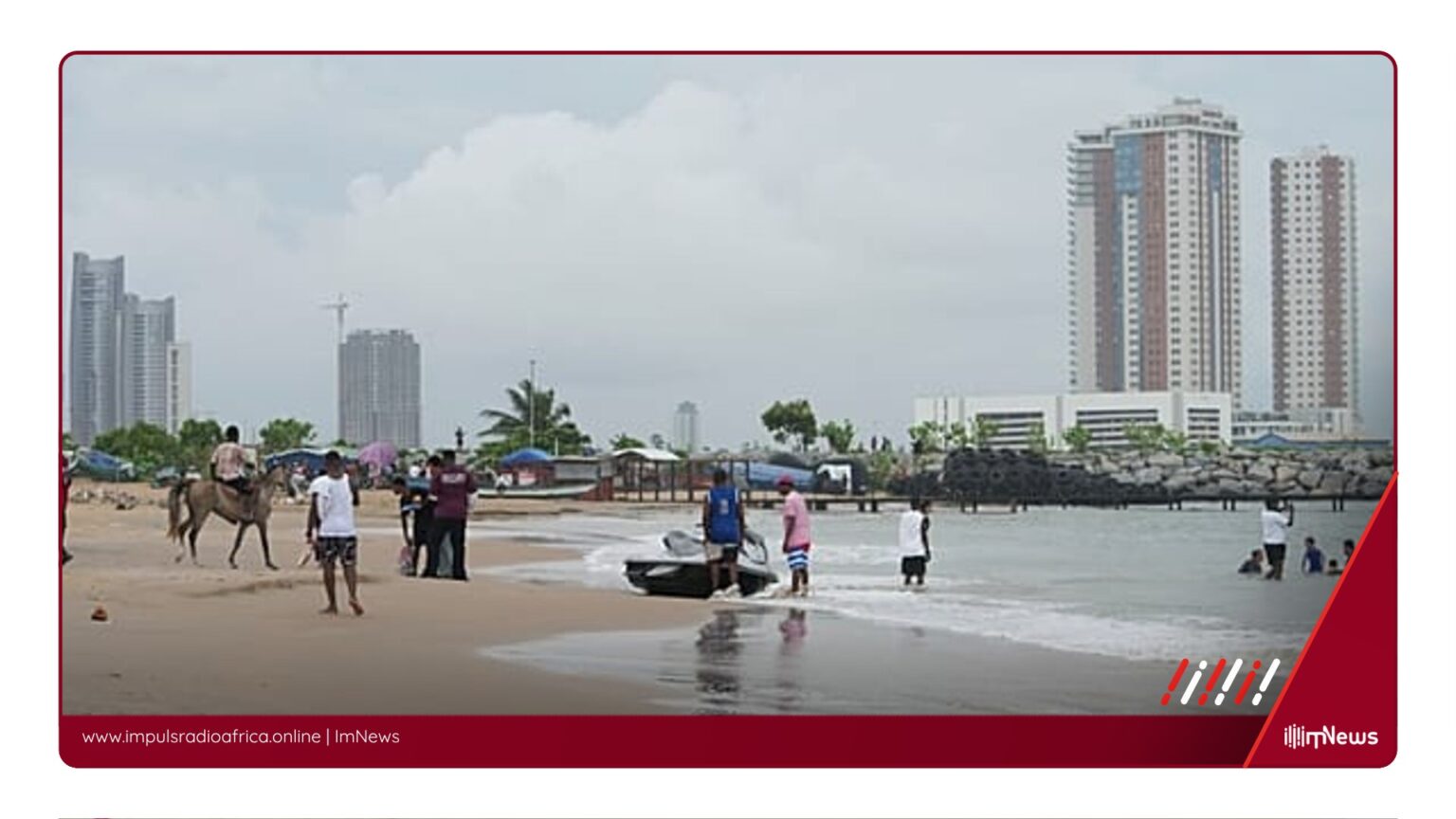
Lagos Beaches: The Rising Cost of Coastal Joy for Locals BODY: Lagos, Nigeria – Lagos’s beaches, once a cherished haven for locals seeking respite from the city’s hustle, are now facing a challenge of affordability. Over recent years, the costs associated with accessing these once public spaces have surged, effectively pricing out many of the city’s residents.
The transformation of Lagos’s coastline is a reflection of the city’s rapid urbanization and the local government’s decision to allocate more coastal land to private developers. This move has led to the commercialization of beaches, now complete with entry fees and additional expenses for seating, food, and drinks. Mukthar Oladunmade, a 27-year-old writer, has been visiting Lagos’s beaches since childhood. “.
By virtue of my job, I’ve been to Somone, Dakar, Lome, Accra, and Cotonou, several West African countries. And there, it’s way easier to just wake up and walk onto the beach because it’s free, “he notes.
In Lagos, however, the picture is starkly different. For Oladunmade, the costs are now a significant financial burden. “.
On average, I spend $18 when I think of coming to the beach. So, having to factor that into my expenses, it makes it difficult to want to get up in the morning to come here, “he.
The privatization of beaches has not only increased costs but also created a class barrier, where those who can afford the expenses can enjoy the natural beauty of Lagos, while others are left out. “.
The minimum wage here is around 70,000 naira and today alone I’ve spent more than half of that just coming to the beach for one day out of 30 days in the month, “Oladunmade explained.
The privatization efforts of the Lagos local government have generated $1. 9 billion in internal revenues last year, a 16% increase from 2024. While the city’s beaches continue to attract tourists and foreign investors, the local population is feeling the pinch.
As Lagos continues to grow and develop, the question remains: Can the city’s beaches remain accessible to all, or will they become exclusive enclaves for the wealthy?
The answer to this question could have far — reaching implications for the city’s social and economic landscape.
*Additional reporting by ImNews | Sources consulted: 5*
—
This original article was produced by the ImNews editorial team
Source: Africanews
Source: Rédaction Africanews