

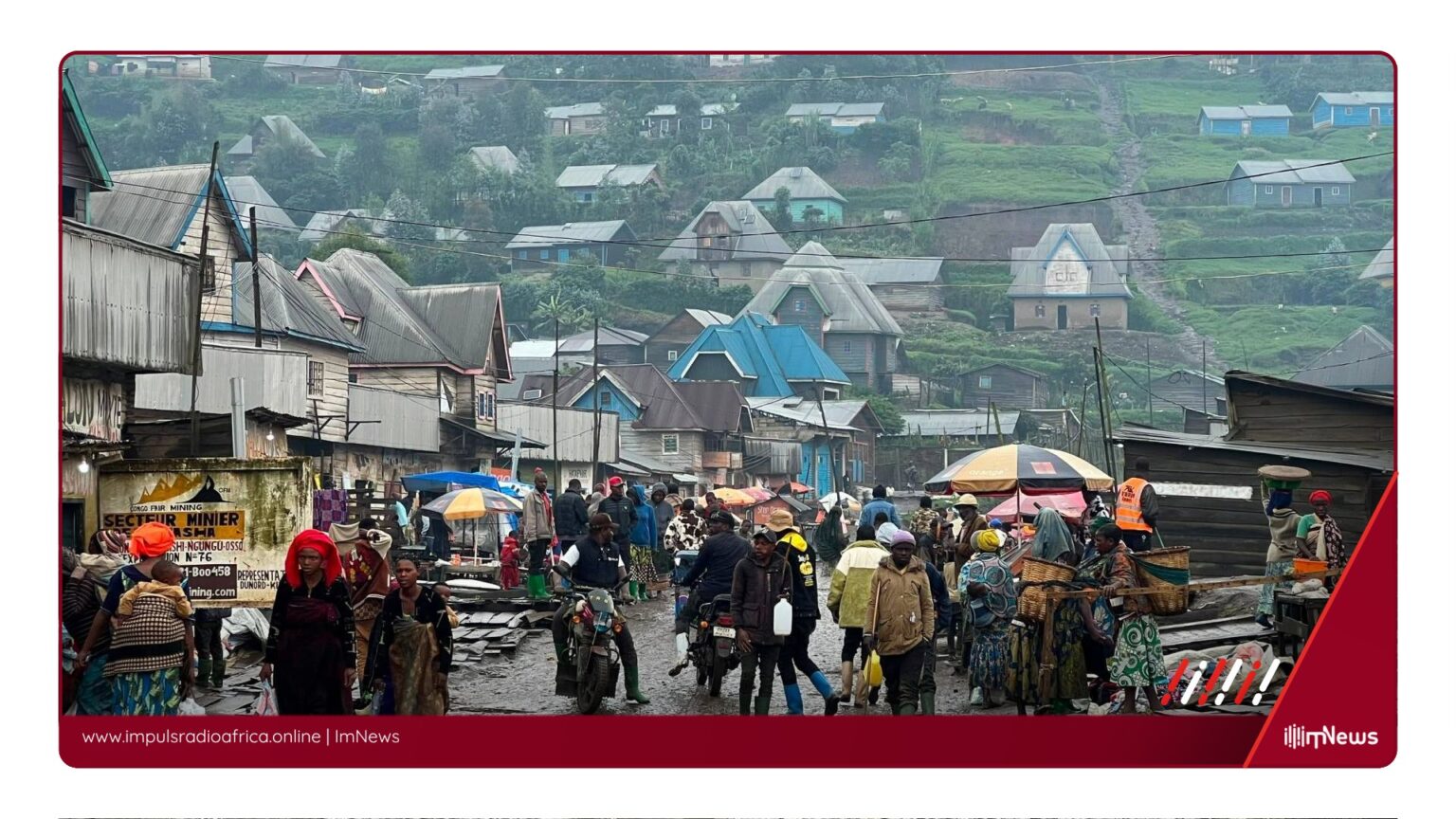
DR Congo’s First Census in 42 Years Amidst Ebola Outbreak BODY: Kinshasa, DRC – August 8, 2026 – In a significant development, the Democratic Republic of the Congo (DRC) is set to conduct its first national census in 42 years. Scheduled for August 2026, this census aims to update the country’s population statistics, which have been outdated since the last census was conducted in 1984 when the country was known as Zaire.
The census comes amidst a backdrop of ongoing challenges, including the country’s 17th Ebola outbreak, which began in May 2026 in Ituri Province.
As of August 7, 2026, the confirmed cases reached 4,074, with 1,852 reported deaths.
The World Health Organization (WHO) has expressed concerns about the underreporting of Ebola cases in the DRC, estimating that the true number of infections could be 3-4 times higher than the confirmed cases.
The need for an accurate population count is underscored by the DRC’s complex socio-political situation. For decades, the lack of a comprehensive census has meant that many citizens felt uncounted and invisible in the eyes of the state. This has led to challenges in providing essential services, planning for development, and ensuring representation at the national and international levels.
Heritier Ramazani, a resident of Bunia, the capital of Ituri province, embodies this sentiment. “Being registered and having my identity card will make me very happy, “he told officials. His experience reflects the broader challenge in the DRC, where millions of people have grown up without official documents confirming their identity.
The World Bank estimates the DRC’s population at about 112 million people, with an annual growth rate of roughly 3. 2 percent.
The upcoming census is expected to provide a more accurate population figure, which will be crucial for planning public services, resource allocation, and development projects.
The census also has significant implications for the country’s economic and social development. By updating the demographic data, the government aims to better understand the distribution of the population, including urbanization trends, and to identify areas in need of infrastructure development and social services.
The funding for the census has been a subject of discussion.
As the country grapples with the Ebola outbreak, the census presents both opportunities and challenges.
On one hand, it could provide a comprehensive picture of the population, which is essential for effective response to the health crisis.
On the other hand, the logistics of conducting the census in areas affected by the outbreak and ensuring the safety of census takers and respondents are significant concerns.
The upcoming census is a critical step towards updating the DRC’s demographic data and ensuring that its citizens are recognized and counted. It is a testament to the country’s commitment to improving governance and social services.
However, the challenges posed by the ongoing Ebola outbreak and the country’s complex socio-political landscape will require a coordinated and strategic approach to ensure the success of the census. KICKER: As the DRC embarks on its first census in 42 years, the challenges of conducting the census amidst an ongoing health crisis and political instability are significant.
The success of the census will depend on the government’s ability to navigate these challenges and ensure that the country’s population is accurately counted and recognized.
*Additional reporting by ImNews | Sources consulted: 5*
—
This original article was produced by the ImNews editorial team
Source: aljazeera
Source: Prosper Heri Ngorora