
Johannesburg, South Africa — In a heated parliamentary session on August 25, 2026, Sports Minister Gayton McKenzie demanded a R30 million refund from the South African Football Association (SAFA) for failing to implement Video Assistant Referee (VAR) technology by the set deadline.
The demand came amidst a broader scrutiny of SAFA’s administrative practices and financial accountability, particularly regarding the treatment of incoming national team coach Pitso Mosimane. McKenzie criticized SAFA for delaying the finalization of Mosimane’s contract, questioning the salary offered, which was significantly less than that of Mosimane’s predecessor.
The Minister’s frustration was evident as he called for accountability and transparency within the governing body of South African football. SAFA president Danny Jordaan was absent from the parliamentary hearing, prompting calls for his presence, either in person or virtually.
The absence of Jordaan, who has been a subject of controversy in the past, added to the tense atmosphere of the hearing.
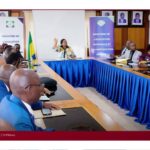
During the hearing, the South African Football Association (SAFA) was grilled by parliament’s sports and arts portfolio committee over financial and governance issues, including the treatment of incoming coach Pitso Mosimane.
The committee members were particularly concerned about the perceived undervaluing of Mosimane and the delays in finalizing his contract. Sports Minister Gayton McKenzie expressed frustration with SAFA’s administrative delays and lack of accountability, particularly regarding the VAR implementation and Mosimane’s contract negotiations.
Officials commented on the matter.
SAFA officials, particularly CEO Lydia Monyepao, faced scrutiny over the VAR implementation delays and the perceived undervaluing of incoming coach Pitso Mosimane. Monyepao defended the association’s decisions, but the committee members remained unconvinced.
Parliamentary members were critical of SAFA’s management, questioning the use of public funds and the lack of clear timelines for the rollout of VAR.
The committee members demanded answers on how public money was being used and why there were delays in implementing such an important technology.
The delay in finalizing Pitso Mosimane’s contract, despite the SAFA NEC’s approval, remains a point of contention.
Questions have been raised about the exact details of the pay package offered to Mosimane compared to his predecessor, Hugo Broos.
According to reports, Broos earned R16. 8 million annually, while Mosimane was initially offered R5 million, which was later increased to R10 million following public outrage.
The situation at SAFA has raised concerns about the governance of South African football. With the 2027 Africa Cup of Nations qualifiers on the horizon, the nation’s football authorities must address these issues to ensure the success and integrity of the sport.
As the hearing concluded, the committee members emphasized the need for transparency and accountability within SAFA.
The future of South African football depends on whether the governing body can overcome these challenges and restore faith in its leadership.
The unanswered questions regarding the pay package, the absence of SAFA president Danny Jordaan, and the delays in VAR implementation continue to cast a shadow over the future of South African football.
*Additional reporting by ImNews | Sources consulted: 5*
—
This original article was produced by the ImNews editorial team
Source: enca
Source: Vusi.Bafetane