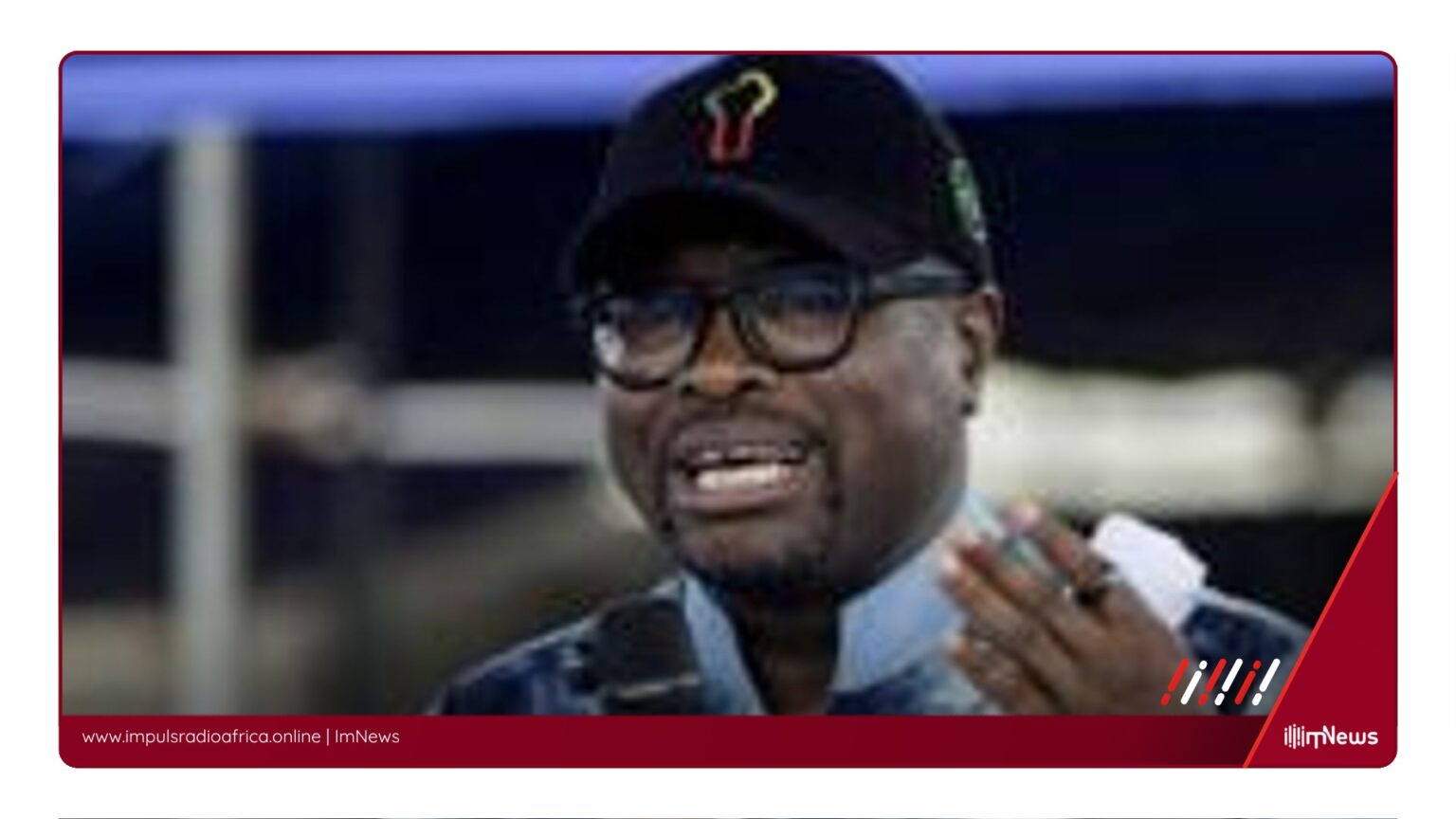
In a resounding victory, Benin’s Finance Minister Romuald Wadagni has emerged as the new president, securing a commanding lead in the country’s recent elections. With provisional results indicating a landslide win, Wadagni has garnered more than 94% of the vote, based on 90% of ballots counted. This overwhelming support has been deemed “irreversible “by the electoral commission, marking a significant shift in the nation’s political landscape.
At 49 years old, Wadagni was the clear favorite to win the presidency, especially after the main opposition party, the Democrats, failed to get its own candidate on the ballot. This left Paul Hounkpè as the sole challenger, who conceded the election on Monday as votes were still being counted. Wadagni’s selection was a strategic move by outgoing leader Patrice Talon, who was barred from seeking re-election after serving two terms.
Hounkpè’s concession speech was a testament to the spirit of democracy, noting that the results had consistently pointed towards Wadagni’s victory. “Democracy requires mutual respect and the ability to rise above partisan divides, “he. The Democrats’presidential hopeful was unable to secure the minimum number of elected officials needed to sponsor a candidacy, leaving Hounkpè as the sole opponent.
The voter turnout across Benin reached 58. 75%, with many viewing the election as a formality in the absence of a credible opposition. The new president will face significant challenges, including worsening insecurity and chronic poverty, particularly in the country’s north.
The jihadist group JNIM, linked to Al — Qaeda, has been responsible for attacks that killed 54 soldiers last year and 15 more last month. This deteriorating security situation was a key factor in the attempted coup four months ago, with soldiers citing it as a reason for their rebellion.
Benin, with a population of 15 million, is known for its stability in a region where military coups have been prevalent in recent years. The election of Wadagni as president is a significant development for the nation, as it seeks to navigate the complex challenges ahead.
Source: BBC Africa