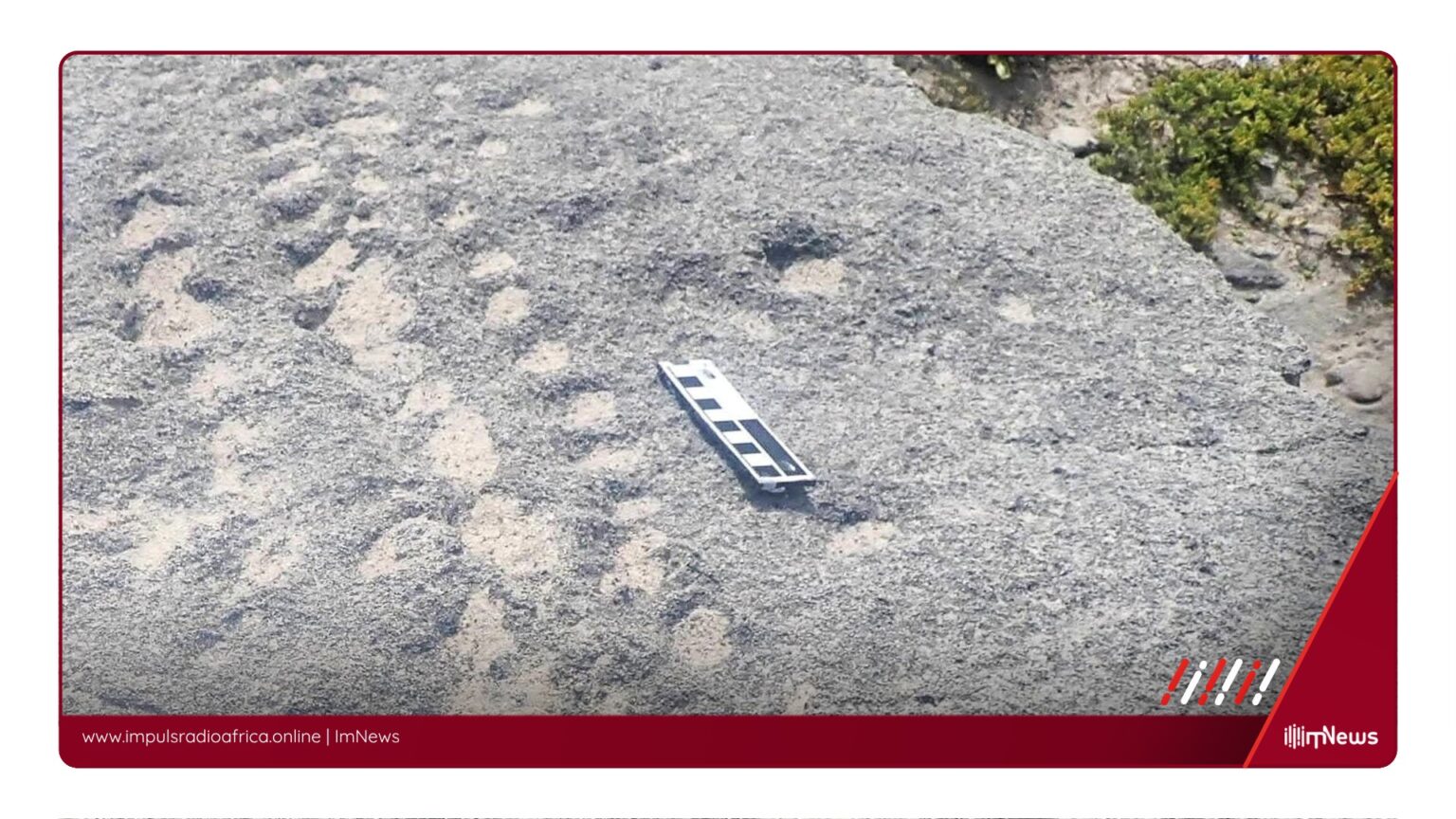
Johannesburg, South Africa — April 16, 2026 A remarkable discovery has been made on the South African coast, as researchers have uncovered the first known fossil tracks of the hamerkop bird and a giant tortoise, offering a rare glimpse into the Pleistocene era ecosystem of the region.
In the Western Cape province, a research group from Nelson Mandela University and the African Centre for Coastal Palaeoscience has been meticulously documenting fossil tracks since 2007. Their efforts have led to the identification of over 400 tracksites, including those of pangolins, giraffes, snakes, rock hyraxes, crocodiles, and elephants, some of which have not been found in the vicinity through the body fossil record.
The most significant findings include the hamerkop bird tracks and unique “tramline “tortoise trackways.
The hamerkop, a bird with webbed feet, has left its mark on the coastal landscape, providing insight into the bird’s evolutionary history.
The giant tortoise, with tracks nearly a meter in length, adds to our understanding of the diverse paleo — ecosystem that once thrived in the region.
The tracks date back to between 194,000 and 57,000 years ago, a time when lower sea levels exposed the vast Palaeo-Agulhas Plain, a haven for diverse megafauna. Dr. Charles Helm, lead researcher, emphasizes the significance of these findings: “The hamerkop tracks are particularly remarkable, as they represent the first known fossil tracks of this species.”.
The research offers a wealth of information about the region’s ancient inhabitants, suggesting a more diverse ecosystem than previously thought.
However, the fossil sites are fragile and at risk of being destroyed by storm surges or landslides, highlighting the urgency for preservation efforts.
The discovery has been met with excitement in the scientific community and among conservationists. It is expected to further our understanding of the region’s ancient environment and the animals that once roamed its shores.
*Additional reporting by ImNews | Sources consulted: 5*
—
By This original article was produced by the ImNews editorial team
Source: Charles Helm