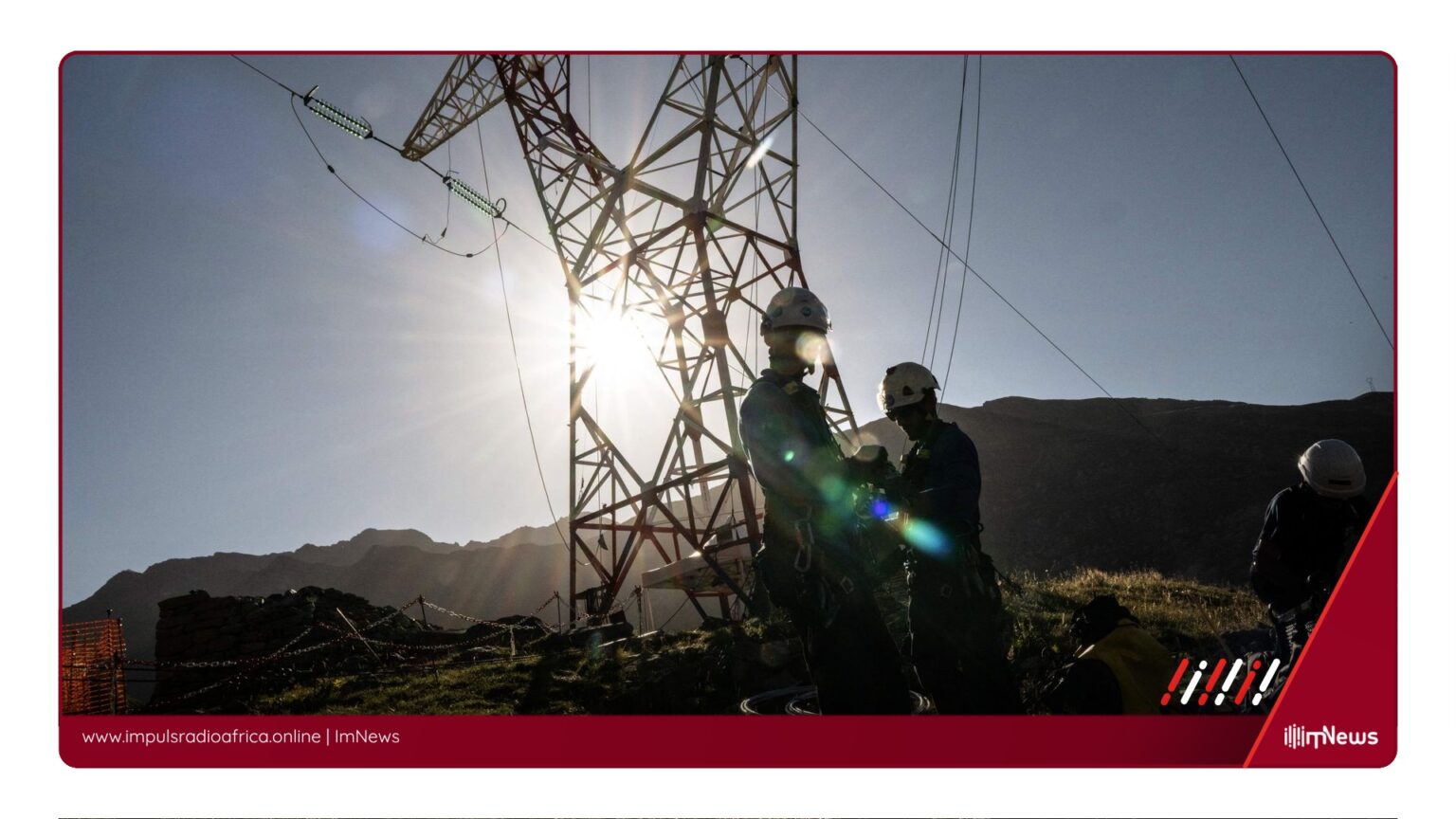
CITY, South Africa — South Africa stands out as Africa’s leading electricity producer, with a stunning 229,303 GWh generated annually, according to the International Energy Agency. Its robust power system, which mirrors the scale of Western Europe, is concentrated in urban centers, with Johannesburg at the forefront of electricity consumption, as noted by the CSIR’s Energy Centre in 2026.
However, South Africa faces the challenge of planned outages due to high demand, with experts advocating for an additional 15,000 MW to stabilize the grid and meet both industrial and domestic energy needs. Egypt follows closely, achieving a surplus in electricity production by 2016, allowing it to export electricity to neighboring countries. Egypt’s surplus is mainly due to investments of over EGP 130 billion in improving electricity production, with over 75% of its supply coming from natural gas and significant contributions from solar and wind energy projects.
Algeria, the third — largest electricity producer in Africa, generates over 85,500 GWh annually, predominantly from natural gas, and meets domestic electricity demands without the need for imports. Morocco, another North African nation, ranks fourth with over 41,000 GWh of electricity, although it still imports power from Spain to meet peak demand. Morocco aims to derive over 50% of its electricity from renewables by 2030, showcasing a commitment to sustainable power generation.
Nigeria, the continent’s most populous country, ranks fifth with electricity production of over 40,000 GWh. Despite its significant output, the country grapples with electricity shortages, relying on fossil-fuel-powered generators and solar panels for much of its domestic and industrial electricity needs. North Africa’s advantage in electricity production is not only a reflection of decades of investment in grid infrastructure and natural gas-powered generation but also in expanding renewable energy capacity.
This shift has secured energy supplies and supported economic growth across the region. Other African countries like Libya and Tunisia, despite political instability and lower rankings, are also contributing to the continent’s electricity generation narrative.
The top five electricity — producing countries are instrumental in shaping Africa’s energy future, demonstrating the potential of renewable energy and the importance of diversifying the energy mix to meet the continent’s growing demand.
As Africa continues to develop its energy infrastructure, these countries are leading the way in addressing the challenges of expanding access, reducing reliance on fossil fuels, and ensuring stability in electricity supply.
*Additional reporting by ImNews | Sources consulted: 5*
—
This original article was produced by the ImNews editorial team
Source: Africa.businessinsider
Source: BI Africa Contributor