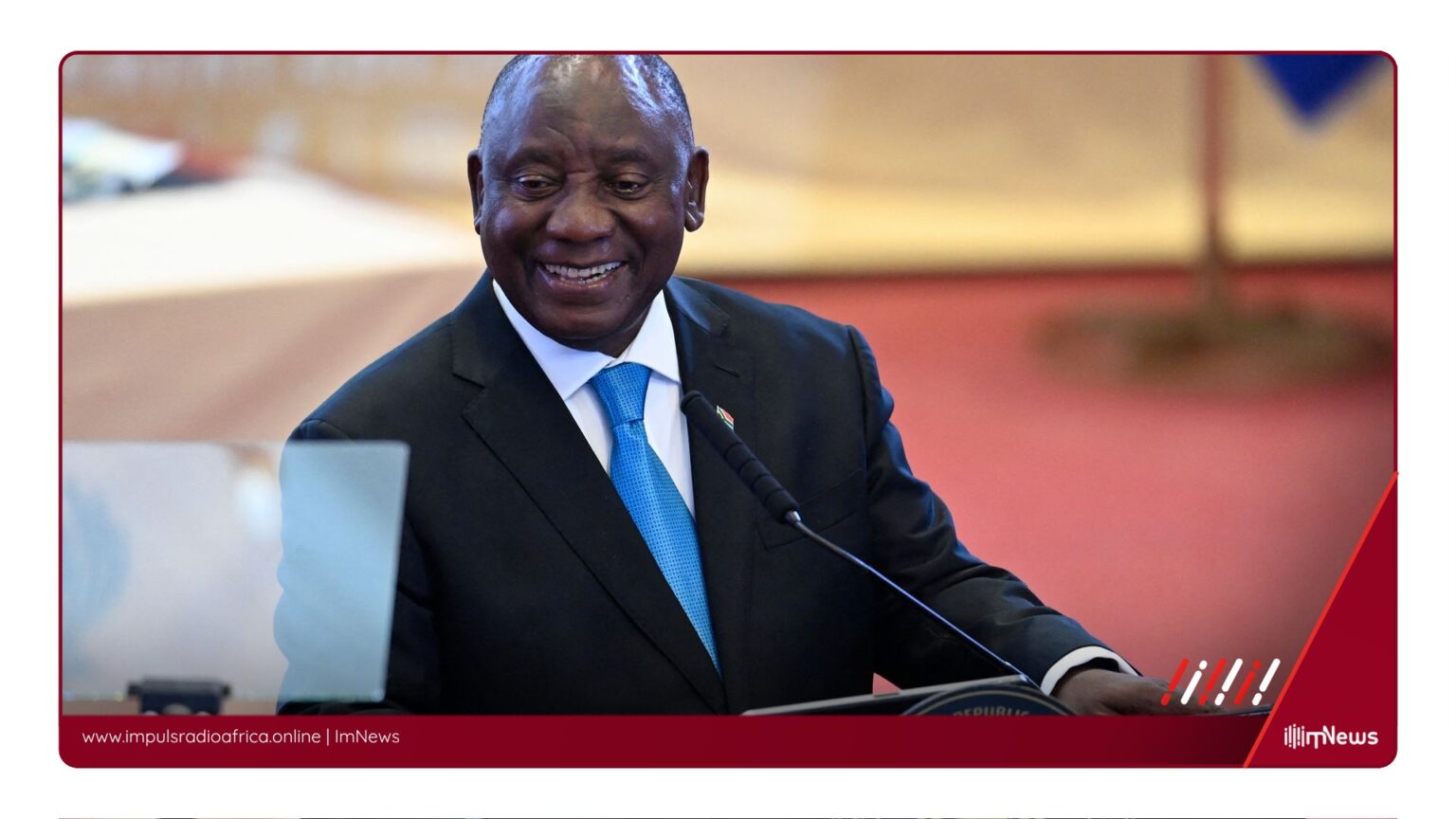
South Africa’s Ramaphosa Defies Resignation Calls Amid Impeachment Inquiry ### Johannesburg, South Africa – President Cyril Ramaphosa has steadfastly refused to resign, despite mounting calls for his ouster following renewed investigations into the contentious ‘Farmgate’scandal.
The situation has reached a critical juncture, with the Constitutional Court of South Africa ordering a review of the report on Ramaphosa’s alleged misconduct, which he claims contains significant flaws and does not justify his resignation. ### The State of the Nation Address and the ‘Farmgate’Scandal On February 12, 2026, President Ramaphosa delivered the State of the Nation Address (SoNA), which provided a platform for him to address the nation and outline his government’s priorities.
However, the speech also served as a backdrop to the ongoing ‘Farmgate’scandal, which has dogged his presidency since 2020. Despite the scandal, Ramaphosa has maintained his position, rejecting calls for his resignation. ### The Constitutional Court’s Decision and Impeachment Process The Constitutional Court’s decision to reopen the impeachment process has further complicated matters.
The court ordered lawmakers to review the report on Ramaphosa’s alleged misconduct, which was critical of his handling of the situation. Ramaphosa himself has taken issue with the panel report, arguing that it contains significant flaws and does not justify his resignation. ### Political Reactions and the Role of Opposition Parties The situation has sparked a fierce debate among political parties.
While the ANC has largely stood behind Ramaphosa, the Economic Freedom Fighters (EFF) has shown involvement in the issue, though their stance is not detailed in the provided sources.
The DA has called for an expedited legal process and expressed concerns about the ANC’s role in the crisis. ### Implications for South Africa’s Democracy The ongoing saga has raised concerns about the state of democracy in South Africa.
With calls for Ramaphosa’s resignation and the ongoing impeachment inquiry, the future of the nation’s leadership remains uncertain.
The situation has also highlighted the challenges faced by the country in addressing corruption and ensuring accountability at the highest levels of government. ### Expert Commentary and Historical Context Historically, South Africa has grappled with issues of corruption and accountability, particularly in the wake of its transition to democracy.
The ‘Farmgate’scandal and the subsequent impeachment inquiry are seen by some as a test of the country’s commitment to democratic principles and the rule of law. ### Pan-African Relevance The situation in South Africa has broader implications for the continent.
As a leading democracy in Africa, South Africa’s political developments are closely watched by other nations.
The outcome of the impeachment inquiry and Ramaphosa’s fate could have significant implications for governance and accountability across the continent. ### Conclusion The refusal of South Africa’s President Cyril Ramaphosa to resign amid calls for his resignation and renewed investigations into the ‘Farmgate’scandal has brought the nation to a critical crossroads.
The situation has sparked a fierce debate among political parties and raised concerns about the state of democracy in South Africa.
As the country awaits the outcome of the impeachment inquiry, the future of its leadership and the state of its democracy remain uncertain.
*Additional reporting by ImNews | Sources consulted: 5*
—
This original article was produced by the ImNews editorial team
Source: Africa.businessinsider
Source: Chinedu Okafor