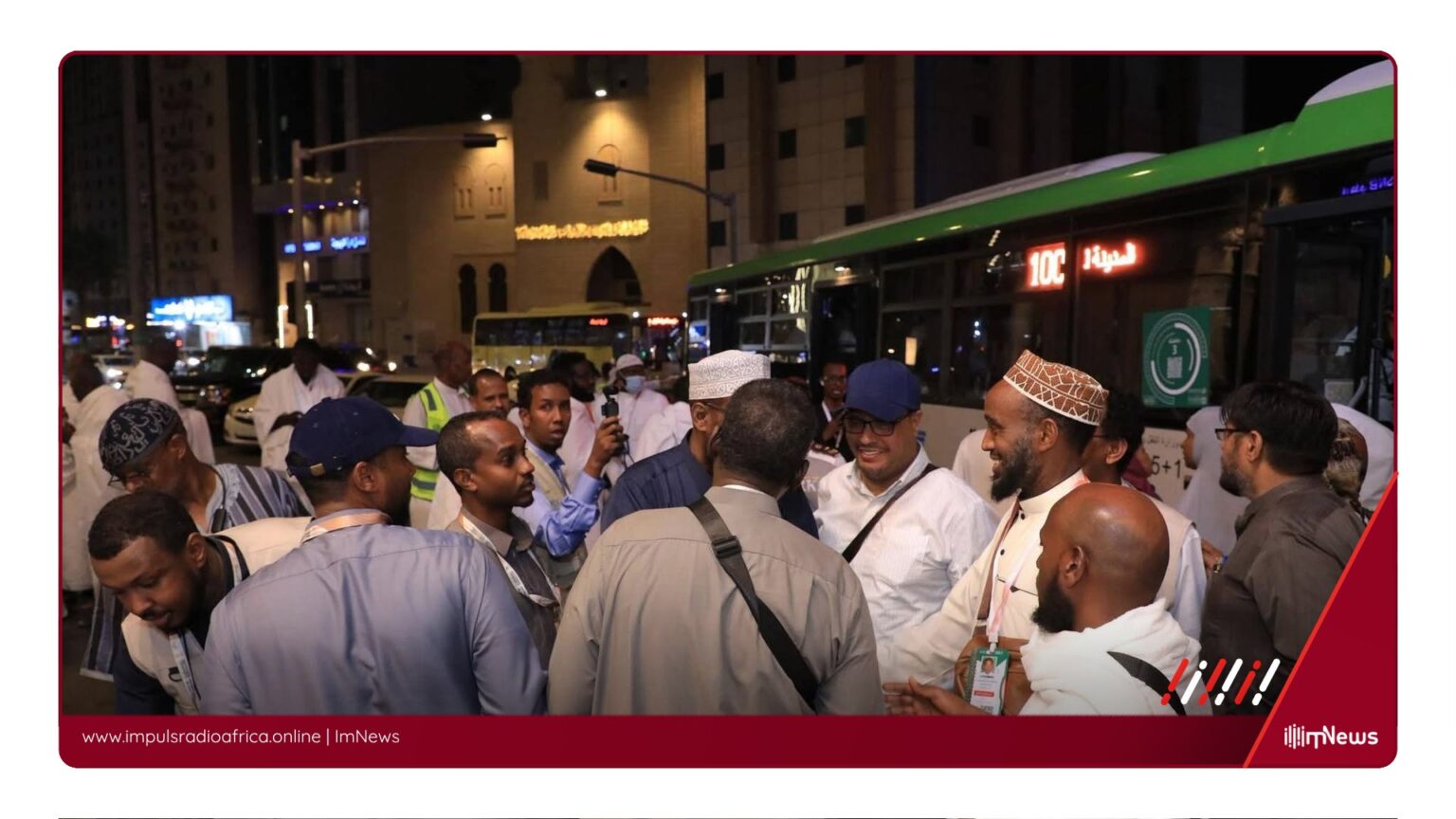
Mogadishu, Somalia — Somalia’s Minister of Endowments and Islamic Affairs, H. E. Mukhtar Robow Ali, conducted an inspection of Makkah hotels on May 20, 2026, to oversee the relocation of Somali pilgrims during the Hajj pilgrimage.
This year’s Hajj, which coincides with the Islamic year 1447/2026, marks a significant moment for the Somali Muslim community as they navigate the challenges of performing their religious duty amidst ongoing internal displacement and poverty.
The Hajj pilgrimage is a cornerstone of Islamic faith, a religious duty for Muslims to perform at least once in their lifetime if they are physically and financially able. Somalia, with its significant Muslim population, faces unique hurdles in ensuring its citizens can participate in the Hajj.
The UK Government’s 2025 country policy and information note highlights the humanitarian situation in Mogadishu, with a third of the population being internally displaced persons (IDPs), which may impact the ability of Somali pilgrims to afford the Hajj. During the inspection, Minister Robow Ali reviewed the living conditions of the Somali pilgrims and emphasized the importance of providing the best possible facilities and services.
The visit was part of the Ministry’s ongoing efforts to ensure the comfort and safety of Somali pilgrims in the Holy Land.
According to reports, the Minister met with several pilgrims and staff overseeing the relocation process, urging them to ensure that the pilgrims are transferred responsibly and with proper care.
The Federal Government of Somalia has shown its commitment to facilitating the Hajj pilgrimage for its citizens.
The Somali government has been actively addressing concerns raised by pilgrims, particularly regarding food shortages and poor transport arrangements during their stay in Mecca.
Khadar Haji Dahir, who heads the Hajj Affairs Office within Somalia’s Ministry of Endowments and Islamic Affairs, confirmed that the ministry has been closely monitoring the pilgrims’ concerns and is implementing measures to rectify the situation.
The challenges faced by Somali pilgrims are not new.
In the past, Somalia has relied on the sale of livestock to Saudi Arabia to feed pilgrims.
However, this year, the country has been unable to send its livestock due to various factors, including the ongoing conflict and economic challenges. This has raised concerns about the food security of the Somali pilgrims in Mecca.
The inspection by Minister Robow Ali is a testament to the government’s dedication to ensuring that Somali pilgrims perform their Hajj rituals smoothly.
It also underscores the need for continued support and coordination among various stakeholders to address the logistical and humanitarian challenges faced by Somali pilgrims.
As the Hajj pilgrimage continues, the world watches Somalia’s efforts to ensure that its citizens can fulfill their religious duty.
The success of this year’s Hajj will not only be a testament to the resilience of the Somali Muslim community but also to the government’s commitment to its citizens’well-being.
The Federal Republic of Somalia’s unwavering commitment to the unity, sovereignty, and religious freedom of its people is evident in its efforts to facilitate the Hajj pilgrimage.
As the country continues to face various challenges, the world will be watching to see how Somalia’s government and its citizens navigate the complexities of performing the Hajj in these unprecedented times.
The inspection by Minister Robow Ali is a positive step towards ensuring the well — being of Somali pilgrims.
It is a reminder that the Hajj pilgrimage is not just a religious duty but also a symbol of unity and solidarity among Muslims worldwide.
As the pilgrimage continues, the world will be watching to see how Somalia’s government and its citizens fulfill this sacred obligation.
*Additional reporting by ImNews | Sources consulted: 5*
—
This original article was produced by the ImNews editorial team
Source: sonna.so
Source: Khadarow