Officials Commented on the Matter.
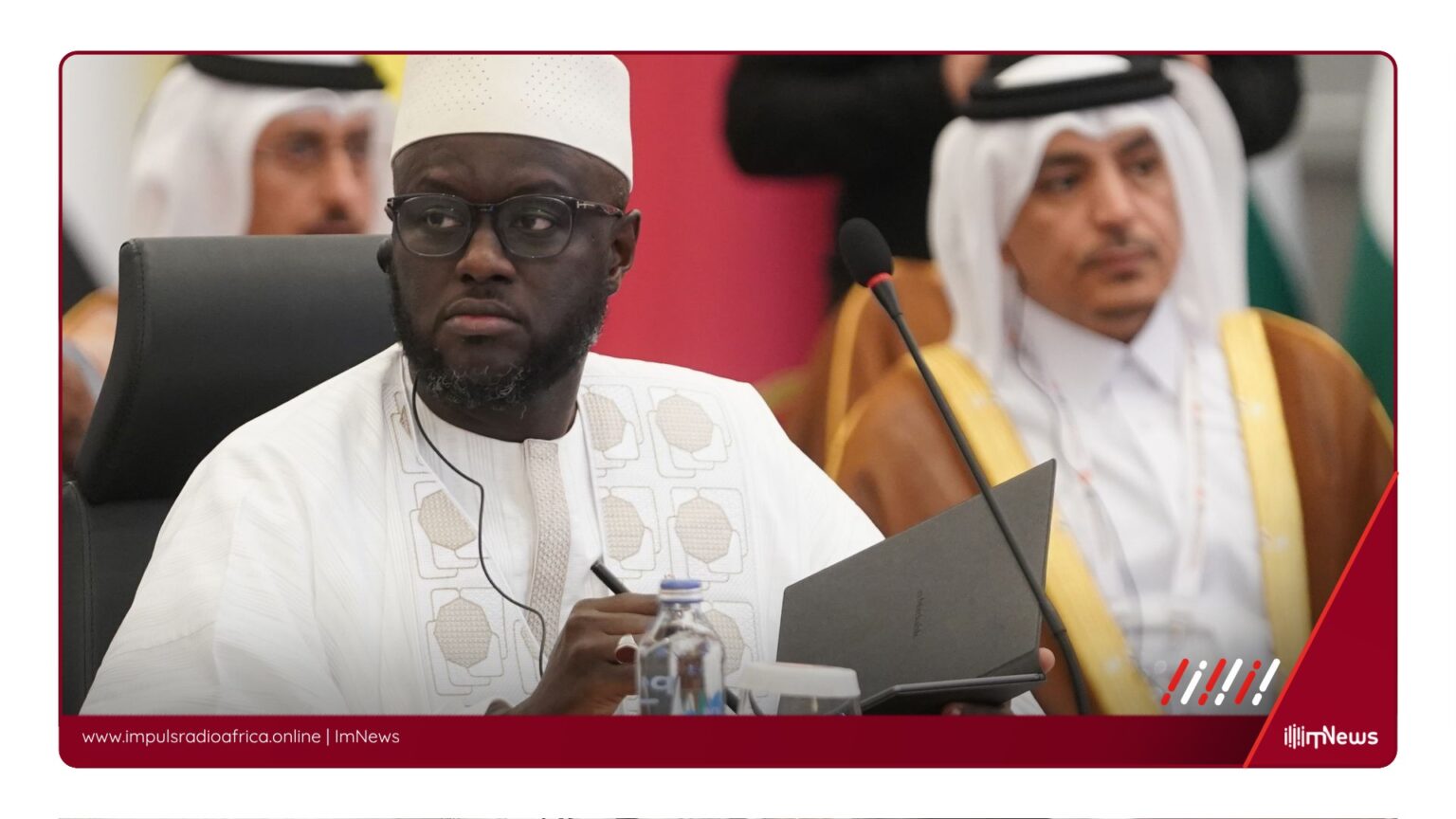
The resignation of Ndiaye, who stepped down on May 24, 2026, is seen as a pivotal move that could pave the way for Sonko to gain control of the National Assembly, where the ruling Pastef party holds a commanding majority.
The political turmoil in Senegal, a key democracy in West Africa, has intensified as the country grapples with mounting debt pressure and critical negotiations with the International Monetary Fund (IMF) over a suspended $1. 8 billion programme. Analysts caution that the political uncertainty could hinder reforms, weaken investor confidence, and complicate governance.
Ndiaye’s resignation, described as a “personal choice “in a statement on Facebook, has fueled speculation that Sonko’s allies are preparing for a broader political confrontation with President Faye.
The move is widely perceived as a direct challenge to Faye’s authority, particularly as the ruling alliance, Pastef, was brought to power on promises to overhaul governance and tackle corruption.
The rift between Faye and Sonko, once allies in their fight against corruption and economic reform, has been growing for months. Sonko’s dismissal, a popular figure among the youth, has now escalated the situation, raising concerns about the country’s political stability and its ability to secure international financial support.
The IMF suspended its lending programme after authorities uncovered previously hidden debt linked to the former administration, pushing Senegal’s debt burden to about 132% of its GDP by the end of 2024.
The ongoing crisis has significant implications for the country’s future and its role within the broader African context, as it attempts to implement reforms and secure international support to address its economic challenges.
*Additional reporting by ImNews | Sources consulted: 5*
—
This original article was produced by the ImNews editorial team
Source: Africa.businessinsider
Source: Segun Adeyemi