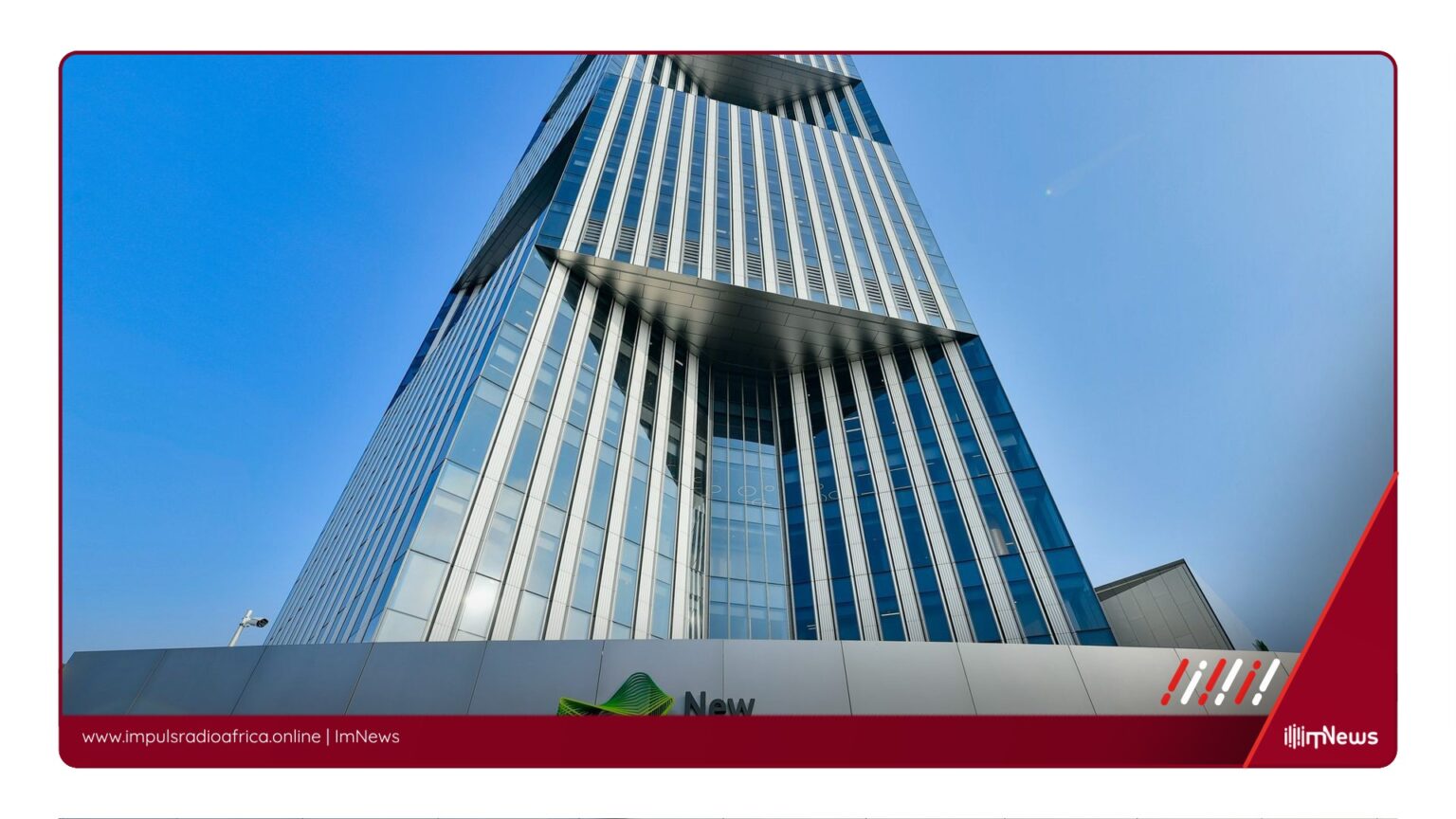
Johannesburg, South Africa — The New Development Bank (NDB), a financial institution founded by the BRICS nations, has approved a substantial $1 billion loan aimed at bolstering the infrastructure of South Africa’s major metropolitan municipalities.
The funding will be allocated to enhance water supply, sanitation, electricity distribution, and waste — management systems in cities such as Johannesburg, Tshwane, and Cape Town. This financial support comes at a critical time for South Africa, which has been addressing a severe infrastructure crisis.
The nation’s urban centers, which are the backbone of its economy, have been suffering from aging infrastructure and service delivery challenges.
The loan is expected to address these issues and contribute to the overall economic growth and social welfare of the country.
The NDB’s intervention is in line with South Africa’s National Development Plan 2030, which identifies reliable infrastructure as crucial for economic growth, job creation, and improved living standards.
The bank’s role in financing infrastructure projects across emerging economies is expanding, and this loan is a testament to its growing influence in the development sector.
The loan will be channeled through South Africa’s Programme for Upgrade of Infrastructure for Metropolitan Municipalities, focusing on restoring and modernizing critical urban infrastructure.
The success of this program hinges on effective project execution, governance oversight, and the ability of municipalities to maintain the upgraded assets post — construction. For millions of South Africans dealing with recurring service disruptions, this loan offers hope for long-promised improvements to water, sanitation, and electricity systems.
The investment is expected to have a ripple effect, benefiting sectors such as manufacturing, logistics, retail, and property, which are heavily reliant on municipal infrastructure.
The National Treasury has been proactive in addressing the infrastructure gap, launching metro trading services reforms and allocating R54 billion in performance-linked grants to force metros to allocate revenue for infrastructure investment.
The NDB’s involvement complements these efforts and is part of a broader international trend of financial institutions supporting Africa’s growth.
As South Africa embarks on this infrastructure upgrade, the impact on its urban centers and the broader economy will be closely monitored.
The success of the NDB’s program could set a precedent for similar initiatives across the continent, where infrastructure development is essential for economic advancement and social welfare.
*Additional reporting by ImNews | Sources consulted: 5*
—
This original article was produced by the ImNews editorial team
Source: Africa.businessinsider
Source: Ayodeji Adegboyega