Mogadishu, Somalia — The humanitarian situation in Somalia has reached critical levels due to severe aid cuts and escalating security risks. With nearly two million children acutely malnourished, including nearly 500,000 suffering from severe acute malnutrition, the country faces a looming starvation crisis. Health facilities across Somalia have been significantly impacted, with around 500 primary healthcare facilities nationwide forced to close due to the aid cuts.
These closures have led to the loss of life — saving care for millions of pregnant women, nursing mothers, and young children, exacerbating the humanitarian crisis.
The situation is further compounded by Somalia’s protracted civil conflict and frequent droughts, which have led to severe food security issues and displacement of the population. Political fragmentation and the lack of effective governance hinder the delivery of aid and services, intensifying the crisis.
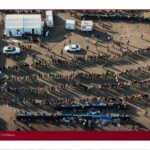
In December 2025, a World Food Programme delegation visited a camp for internally displaced people within Mogadishu, highlighting the ongoing humanitarian crisis affecting the civilian population.
The delegation’s visit underscored the urgent need for continued support and assistance to those affected by the crisis.
The recent cyberattack on the Federal Government of Somalia’s e-visa system, which occurred on November 11, 2025, has also raised concerns.
The hack potentially exposed the personal data of at least 35,000 people, including Americans, according to the US Department of State.
The UN Office for the Coordination of Humanitarian Affairs (OCHA) reported in December 2025 that aid cuts are impeding efforts to assist millions of people in Somalia affected by drought. More than 4. 6 million people across the country, roughly a quarter of the population, are impacted, according to local authorities.
The upcoming dry season from January to March is expected to worsen drought conditions, with increased water scarcity, more livestock deaths, and the potential for greater food insecurity in many parts of the country.
The aid cuts and cyberattack have raised concerns about the country’s ability to respond to the humanitarian crisis.
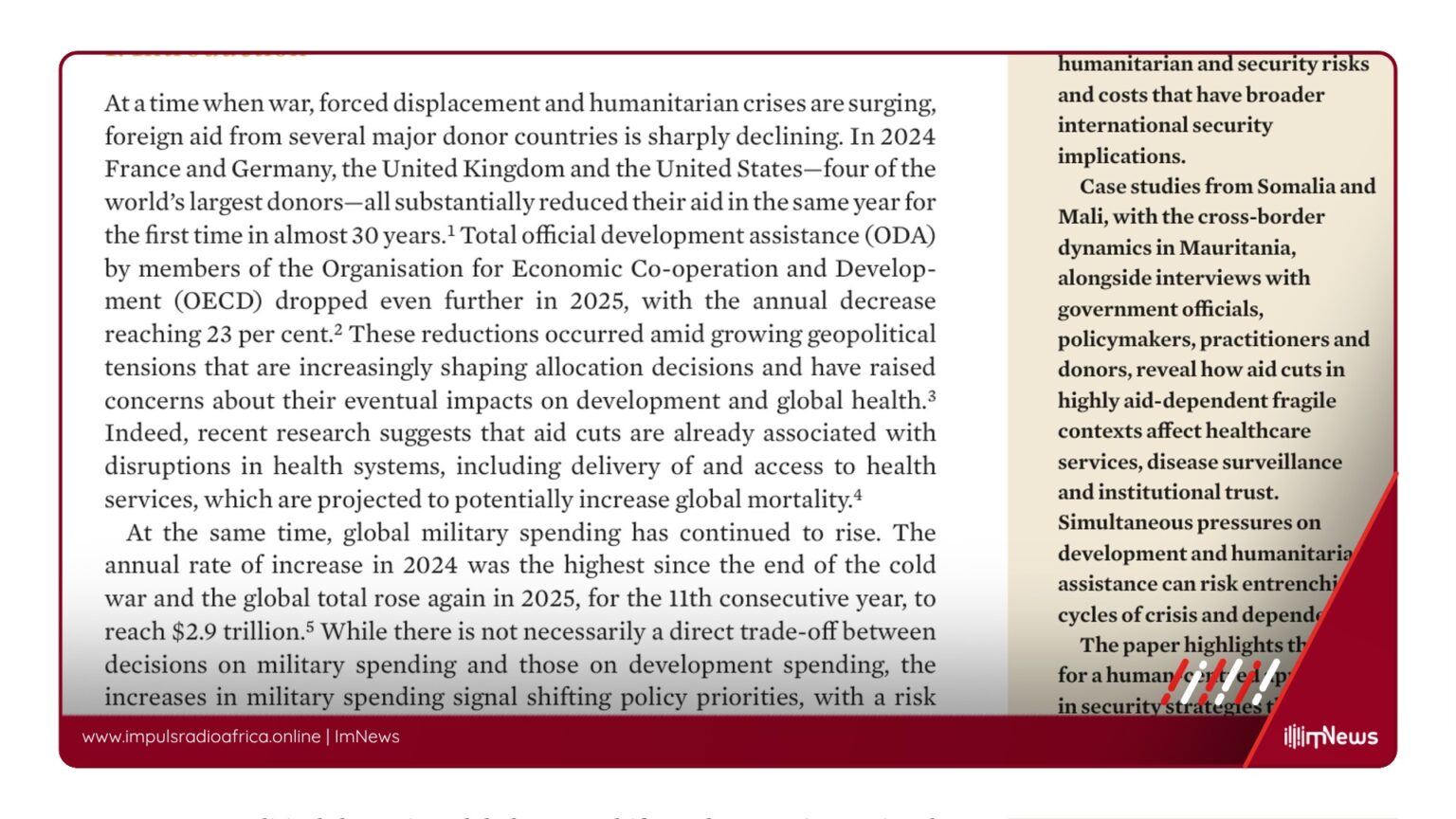
The Stockholm International Peace Research Institute (SIPRI) has warned that aid cuts in highly aid-dependent fragile contexts can disrupt health systems, with cascading human, humanitarian, and security risks and costs that have broader international security implications.
As the situation continues to deteriorate, the international community is called upon to provide urgent assistance to avert a possible collapse of pastoral and farming livelihoods and to prevent avoidable loss of life.
*Additional reporting by ImNews | Sources consulted: 5*
—
This original article was produced by the ImNews editorial team
Source: reliefweb
Source: Stockholm International Peace Research Institute