Accra, Ghana — A relentless downpour has unleashed a deadly torrent across Ghana and Ivory Coast, with at least 24 lives claimed by the ferocious floods and subsequent landslides.
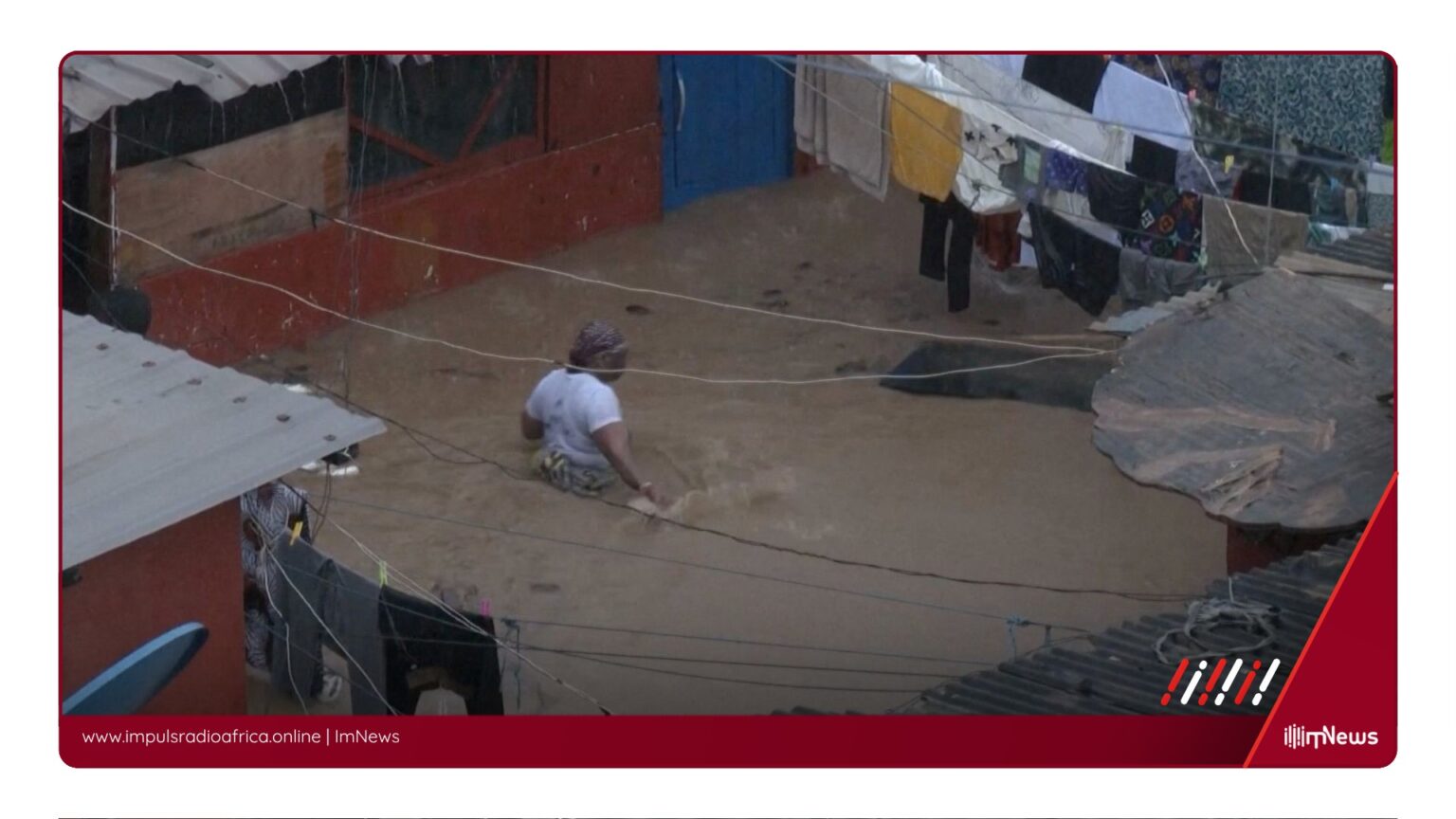
The deluge, which began on Saturday, has submerged entire neighborhoods in Accra, the Ghanaian capital, and Abidjan, the economic heart of Ivory Coast. Emergency services in both nations are engaged in a relentless effort to rescue stranded citizens and provide relief to those affected.
The flooding has not only caused loss of life but has also led to extensive property damage and disruptions to the daily lives of thousands.
In Ghana, the National Disaster Management Organisation reported that floodwaters breached homes early in the morning, prompting mass evacuations. Emergency workers have rescued over 400 individuals from submerged buildings and roads.
The Ghana National Fire Service confirmed at least 12 deaths, including a tragic incident where a mother and her child were swept away in the Achimota-Agbogbloshie district.
In Ivory Coast, the Minister of National Cohesion, Myss Belmonde Dogo, reported that the relentless rain brought widespread flooding, with the majority of deaths occurring in the municipalities of Attécoubé and Yopougon in Abidjan. Local media reported that at least nine of the deceased were trapped under rubble in the Mossikro neighborhood.
The international community has taken notice, with the Associated Press and Al Jazeera highlighting the dramatic rescue efforts and the impact on daily life in both countries. Africanews has reported on the broader context of severe weather affecting Southern Africa, attributing the intense rainfall to the La Niña weather pattern.
The disaster has underscored the vulnerability of West Africa’s infrastructure and the pressing need for improved disaster preparedness and response mechanisms.
As the rainy season persists, authorities in both countries are cautioning of the potential for further heavy rains and the associated risks.
The disaster has also emphasized the importance of regional cooperation in disaster management and the necessity of climate resilience strategies.
As investigations into the causes and aftermath of the floods continue, experts are calling for a comprehensive review of urban planning and infrastructure to better withstand future extreme weather events.
*Additional reporting by ImNews | Sources consulted: 5*
—
This original article was produced by the ImNews editorial team
Source: aljazeera
Source: AFP, AP and Reuters