
N’Djamena, Chad – July 14, 2026 – In the first half of 2026, Chad has experienced a notable escalation in inter/intracommunal conflicts, with a total of 35 conflicts reported, a 40% rise from the 25 conflicts recorded during the same period in 2025. Despite a decrease in the human toll, with 81 deaths and 167 injuries compared to 136 deaths and 166 injuries in 2025, the widespread nature of these conflicts underscores the ongoing challenges faced by the nation.
The majority of these conflicts, 23 out of 35, or 66%, are intercommunautarial, reflecting heightened tensions between communities.
Additionally, there have been instances of intracommunautarial conflicts, farmer — against-farmer disputes, and religious conflicts. Natural resources continue to be a flashpoint, with five cases of agro-pastoral conflicts and four related to land disputes.
The geographic distribution of these conflicts is extensive, with 37% occurring in the Lake region, 37% in the south, 23% in the east, and 3% in the center of the country. This pattern indicates a broad spatial spread of violence.
The United Nations Office for the Coordination of Humanitarian Affairs (UNOCHA) has noted that the situation is complex, with climate change, regional conflicts, and mass population displacements contributing to communal tensions.
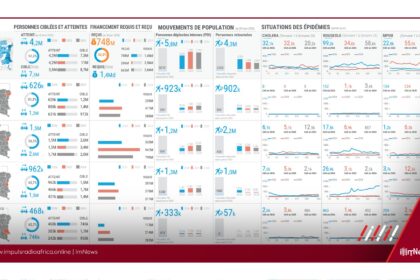
The Tchad government has acknowledged the gravity of the situation and has promised to bolster national cohesion. Despite these efforts, the humanitarian situation remains critical, with an estimated 4. 6 million people, or 22% of Chad’s population, in urgent need of humanitarian assistance.
Basic social services, including healthcare, are under immense pressure, with a rise in communicable diseases particularly affecting displaced populations.
The international community has shown its support, with the United States announcing an additional $1. 8 billion in life-saving humanitarian funding to support OCHA’s efforts.
As Chad faces these escalating conflicts and a severe humanitarian crisis, the need for a coordinated and comprehensive response from the global community is paramount.
The future of the nation and its people hinges on the effectiveness of these efforts.
*Additional reporting by ImNews | Sources consulted: 5*
—
This original article was produced by the ImNews editorial team
Source: reliefweb
Source: UN Office for the Coordination of Humanitarian Affairs