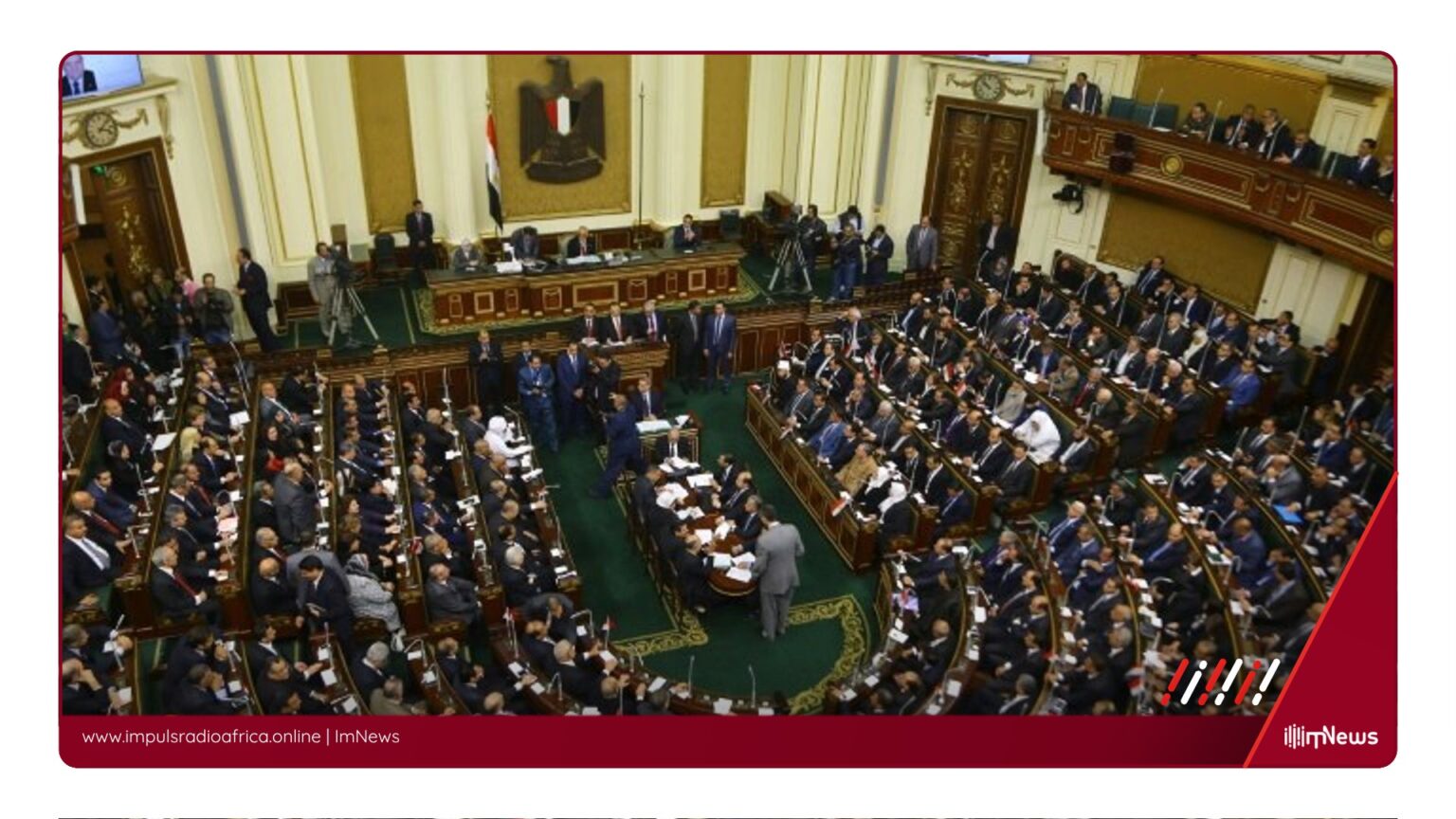
Egypt’s Economic Giant Empowers Amid IMF Reform Pressures BODY: Cairo, Egypt – The Egyptian parliament has authorized the Future of Egypt Authority, a military-connected economic body, to assume far-reaching responsibilities in strategic sectors, marking a significant development in the country’s economic landscape amidst ongoing International Monetary Fund (IMF) reform pressures. Established in 2017 as a modest land reclamation project, the Future of Egypt Authority has transformed into a formidable state institution. Its expanded role encompasses control over sectors including agriculture, commodity imports, investment, land allocation, and asset management.
The impending implementation of this legislative shift appears to contravene the IMF’s reform objectives, which Egypt is striving to meet in the wake of financial support from the global financial institution. This legislative move is likely to be met with scrutiny from investors and international lenders assessing Egypt’s commitment to reforming its economy, which faces challenges such as inflation and a substantial budget deficit.
The IMF has previously emphasized the need for a more prominent private sector presence in the Egyptian economy, while state — backed institutions have historically driven economic development.
The proposed legislation, if approved, would establish the authority as a sovereign wealth fund called “Pyramids of the Nile “and a parallel services fund, aimed at financing the authority’s broadened activities. Bahaa al-Ghannam, Executive Director of the Future of Egypt Authority, asserts that the organization should be regarded as an investment incubator, not a commercial competitor to private companies. While supporters of the legislation contend that centralizing strategic economic functions can enhance coordination and speed up investment decisions, critics argue that this concentration of power in a state-backed institution could hinder the competitive business environment that the IMF advocates.
Parliament’s recent approval includes a series of amendments designed to improve transparency, including expanded oversight by the state audit agency and the legislature. Despite these changes, concerns remain regarding the potential for undermining the broader government structure.
As Egypt’s largest recipient of IMF financing, the nation’s economic strategy is a matter of significant interest on the African continent and beyond.
The implementation of the draft law is expected to raise the stakes in the country’s economic future and its relationship with international financial institutions.
*Additional reporting by ImNews | Sources consulted: 5*
—
This original article was produced by the ImNews editorial team
Source: Africa.businessinsider
Source: Ayodeji Adegboyega