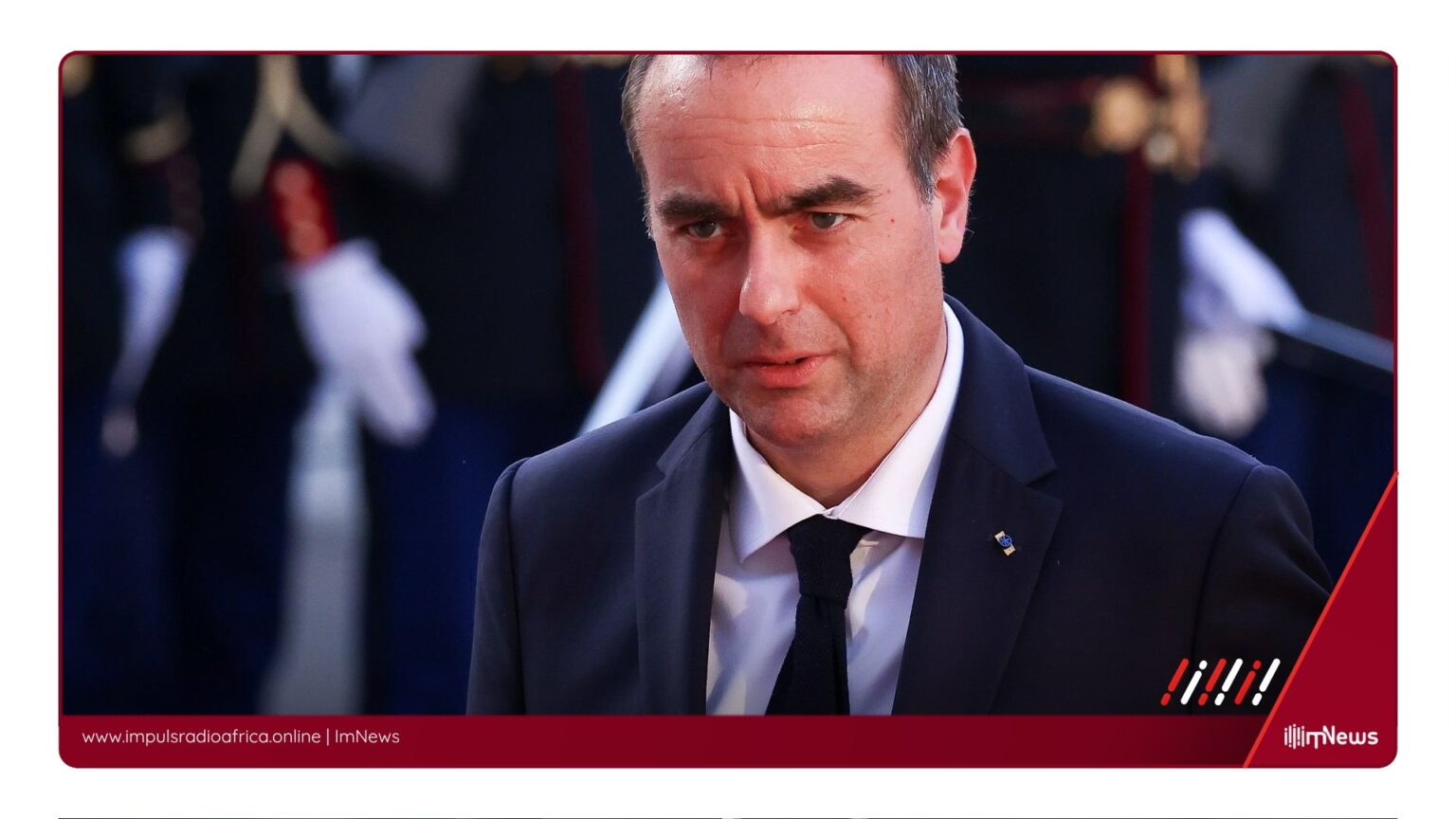
Rabat, Morocco — French Prime Minister Sebastien Lecornu’s maiden official foreign visit, a two-day journey to Morocco from July 15 to 16, signifies a pivotal moment in France’s bid to reinvigorate its diplomatic ties with Rabat. This trip follows France’s acknowledgment of Moroccan sovereignty over the Western Sahara, a move that marked a significant shift in the relationship between the two nations. Lecornu, accompanied by a delegation of ministers, emphasized France’s commitment to rebuilding a crucial partnership in North Africa amidst escalating geopolitical rivalries in the region.
The high — level discussions, encompassing defense, security, economic collaboration, and investment, followed a period of strain in Franco-Moroccan relations from 2021 to 2023. Issues such as visa restrictions, judicial cooperation, intelligence sharing, and France’s indecisive stance on the Western Sahara had previously tested the partnership.
However, in 2024, President Emmanuel Macron’s recognition of Moroccan sovereignty over the Western Sahara brought an end to this ambiguity and paved the way for a more robust rapprochement. Ouissal Marsaoui, an international relations researcher, highlighted that Lecornu’s two-day mission represents a significant stride in translating the political decision into tangible cooperation. This visit is indicative of a broader recalibration of French policy as Paris seeks reliable regional allies amidst growing pressure on its political and economic influence in North Africa and the Sahel.
Over the past decade, Rabat has become a crucial bridge between Europe and Africa, facilitated by expanding trade links, significant infrastructure projects, renewable energy investments, and a more assertive diplomatic profile across West Africa and the Sahel. Morocco’s Tanger Med port complex, now a major Mediterranean shipping hub, and its investments in industrial zones and transport corridors have bolstered its position as a gateway for European businesses into African markets. Political stability and enhanced defense capabilities have further enhanced its allure.
For France, the renewal of relations is not merely about mending a historical partnership.
As China, Turkey, Gulf states, and the United States deepen their political and economic engagement across Africa, France is increasingly viewing Morocco as a stable partner to engage with both the Mediterranean and the continent. Ahlam Qafas, an economics professor at ENCG Kenitra, pointed out that Morocco’s emergence as a leading logistics hub in the Mediterranean adds a new layer to the relationship.
The strategic reset is already evident in the areas both governments are prioritizing, including defense and intelligence cooperation, investment, transport, energy, and advanced technology. For France, closer ties with Morocco are crucial for reinforcing its position in North Africa, especially given the strained relations with Algeria and the diminishing influence in the Sahel following successive military-led governments and diplomatic setbacks. Security cooperation, particularly in intelligence sharing, counterterrorism, defense industrial collaboration, and migration, remains a central focus.
For Morocco, the renewed French engagement could expedite investments in sectors vital to its long — term economic goals, such as transport infrastructure, renewable energy, advanced manufacturing, defense industries, and digital technologies. Marsaoui noted that the expanded cooperation on defense and security following France’s recognition of Moroccan sovereignty over the Western Sahara also lends institutional credibility to Paris’s policy shift.
*Additional reporting by ImNews | Sources consulted: 5*
—
This original article was produced by the ImNews editorial team
Source: aljazeera
Source: Kathya K Berrada