Algeria’s Parliamentary Elections: A Test of Legitimacy Amidst Controversy and Disengagement DATELINE: Algiers, Algeria – LEAD As Algeria prepares for its parliamentary elections on July 2, 2026, the nation finds itself at a crossroads.
The polls come amidst a backdrop of political and civic space tightening, decreased trust in formal politics, and a sense of widespread disengagement, following the Hirak protest movement that began in 2019. NUT GRAF: The elections are crucial for the ruling party, which aims to increase turnout to provide legitimacy to state institutions.
However, the campaign has been marked by disengagement and mistrust, with the Islamist Movement of Society for Peace (MSP) and other opposition parties expressing concerns about the arbitrary exclusion of candidates. 1.
The Context of the Elections The 2026 Algerian parliamentary elections follow the Hirak protest movement, which led to the resignation of former President Abdelaziz Bouteflika and the election of Abdelmadjid Tebboune as president.
Since then, a tightening political and civic space has eroded confidence in formal politics, according to experts. 2.
Candidate Exclusions and Controversy In the lead — up to the campaign, controversy about candidate eligibility deepened the sense of disengagement.
According to Karim Khalfane, interim head of the national elections authority ANIE, more than 3,700 prospective candidates were barred from running, while approximately 10,000 were approved.
The MSP described the exclusion of candidates as ‘arbitrary’. 3.
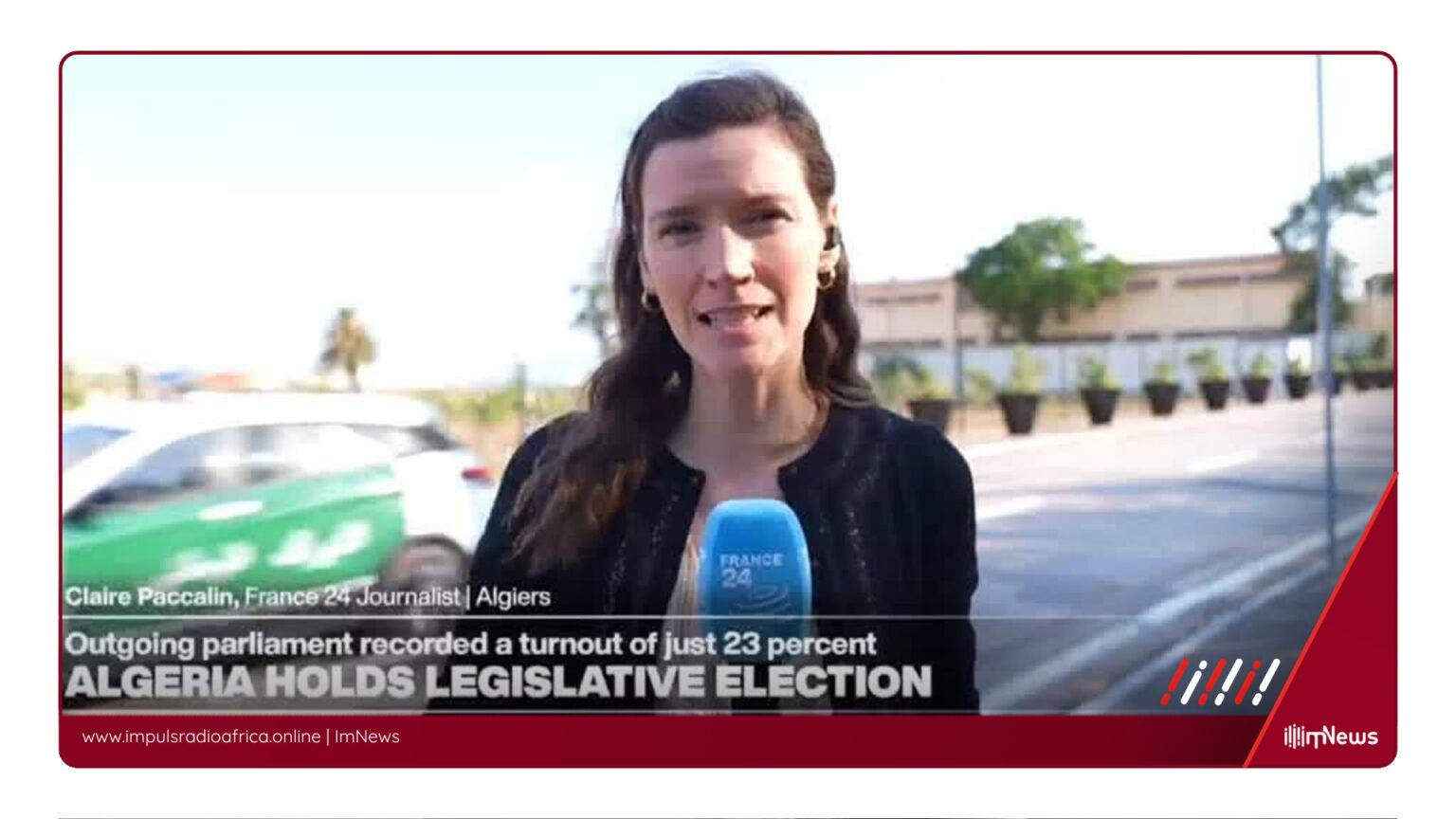
Public Perception and Voter Engagement The outgoing parliament’s election in 2021 recorded a turnout of just 23 percent, the lowest in any legislative election since independence in 1962.
This low turnout follows the 2019 Hirak protests, which failed to translate into significant democratic advances, even with the reluctant participation of the opposition in this election. 4.
The Ruling Party’s Aims The ruling party aims to increase turnout in the elections to provide legitimacy to state institutions.
However, observers note that the campaign has been marked by disengagement and mistrust rather than competition. 5.
The Role of the Islamist Movement of Society for Peace (MSP) The MSP and other opposition parties have expressed concerns about the arbitrary exclusion of candidates.
The party has described the situation as a “test of the credibility and legitimacy of the election process. “KICKER: The upcoming elections in Algeria will be a critical test of the nation’s political landscape.
With high stakes and significant controversy surrounding the candidate exclusions, the outcome will likely have a lasting impact on the country’s political future.
*Additional reporting by ImNews | Sources consulted: 5*
—
This original article was produced by the ImNews editorial team
Source: france24 – Africa
Source: FRANCE24