
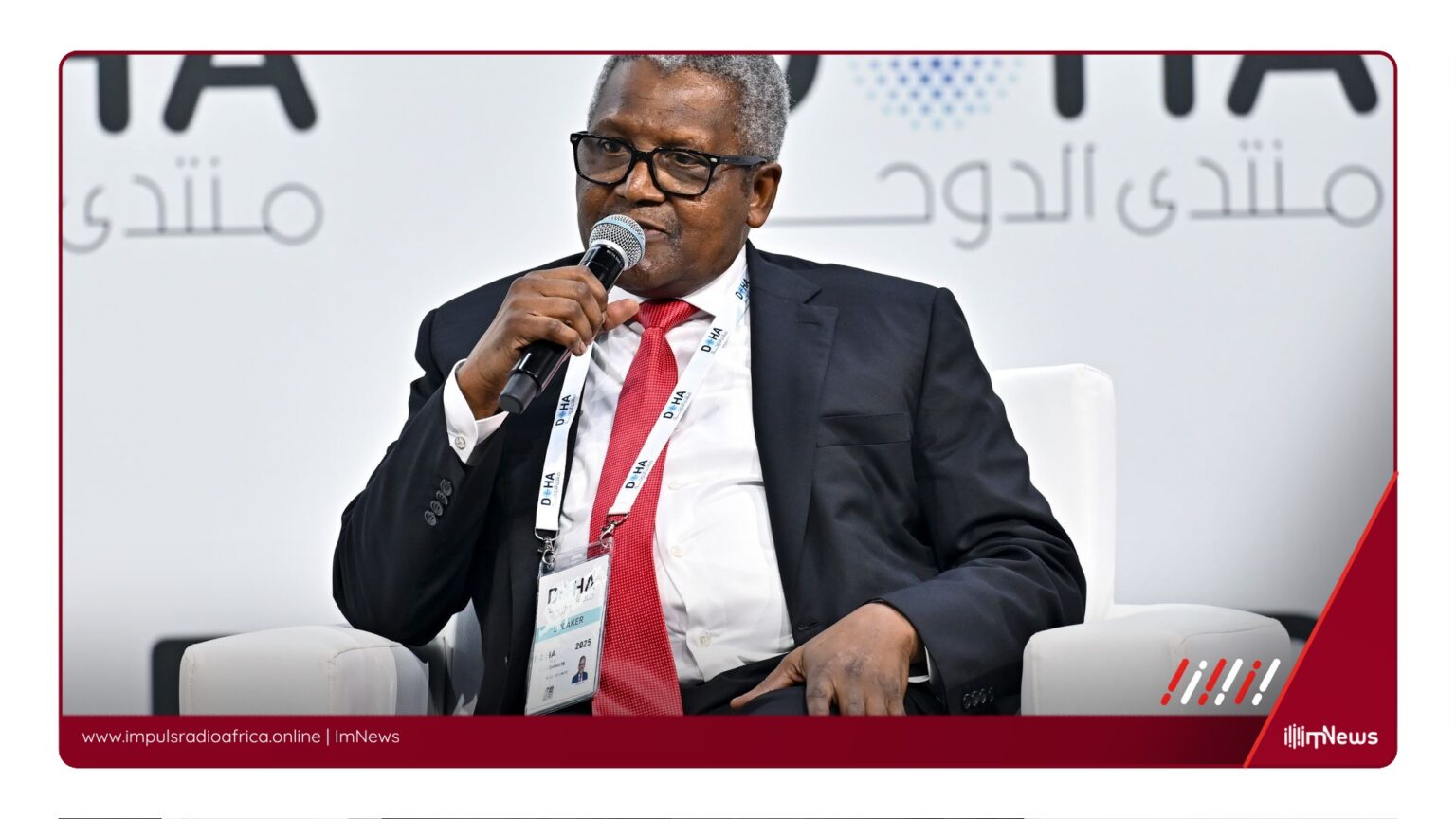
Nairobi, Kenya — Aliko Dangote, the wealthiest man in Africa, has outlined a transformative plan to expand the Dangote Group into a $100 billion industrial empire by 2030.
The conglomerate, currently generating around $20 billion annually, is poised to quadruple its revenue through a multi-faceted growth strategy. Central to this ambition is the Dangote Refinery, Africa’s largest, located near Lagos.
The company aims to increase its refining capacity to 1. 4 million barrels per day by 2028, propelling it into the ranks of the world’s largest refining complexes. This expansion is part of a $45 billion investment plan, which also includes a new refinery in Kenya’s Lamu and enhanced LNG operations in Nigeria.
Fatima Dangote, Executive Director for Oil and Gas, emphasized the group’s commitment to Vision 2030, stating, “Our aim is to reach $200 billion by 2030, and the $45 billion expansion plan will eventually justify that. “.
The Dangote Group’s strategy extends beyond oil and gas, encompassing fertiliser production, cement manufacturing, sugar refining, salt, ports, shipping, mining, power generation, automotive assembly, and real estate. Dangote Cement, the largest cement producer in Africa, is targeting an annual production capacity of 80 million tonnes by 2030, doubling its current output.
In a significant leadership shift, Aliko Dangote’s three daughters are being groomed for key roles within the conglomerate, reflecting a gradual transition of power within the family business. Fatima is leading commercial operations, Mariya is driving growth in the cement division, and Halima oversees the family’s international investments.
The Dangote Group’s expansion is not without its challenges. Environmental concerns have been raised about the proposed oil refinery in Lamu, with groups like Greenpeace Africa opposing the project due to ecological risks and the potential for a fossil fuel-dependent future. Despite these challenges, Dangote remains resolute in his vision, seeing the expansion as a critical step in Africa’s industrialization and a long-term commitment to the continent’s development.
The success of this venture could set a precedent for further industrial development across Africa, potentially reshaping the continent’s economic landscape for decades to come.
*Additional reporting by ImNews | Sources consulted: 5*
—
This original article was produced by the ImNews editorial team
Source: Africa.businessinsider
Source: Ayodeji Adegboyega