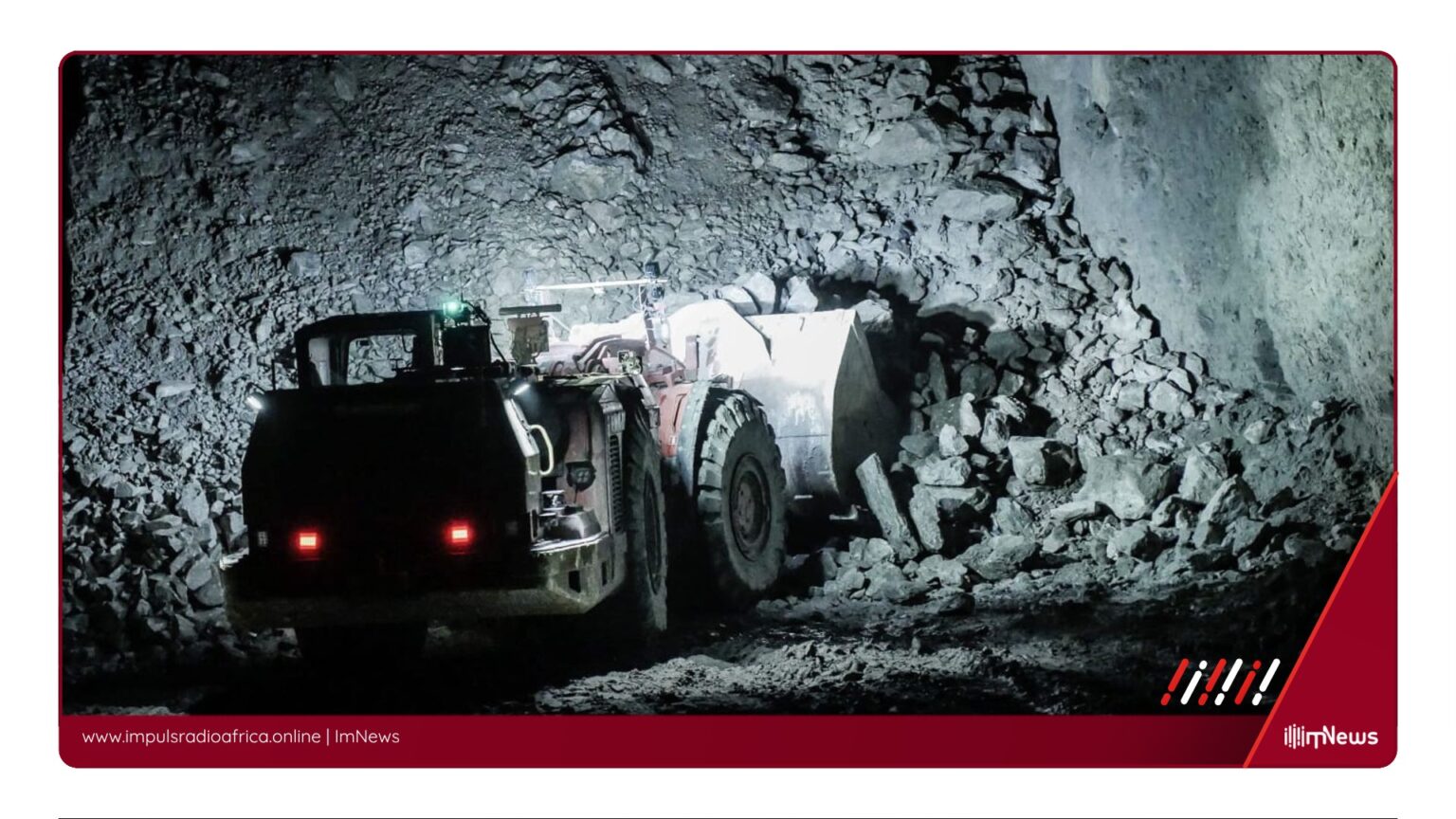
Unlocking Africa’s Mineral Potential: AI Could Save $390B in Mining Costs by 2035 BODY: Cape Town, South Africa – The promise of artificial intelligence (AI) is poised to revolutionize Africa’s mining sector, potentially saving the continent up to $390 billion annually by 2035, according to the Atlantic Council. Africa’s rich deposits of critical minerals, accounting for around 30% of the global total, have long been underexplored, receiving just 10% of the world’s mineral exploration spending.
The continent boasts significant reserves of cobalt, manganese, graphite, bauxite, copper, chromium, and platinum — group metals, including nearly 85% of known platinum-group metal reserves. AI’s role in transforming Africa’s mining industry is multifaceted. By analyzing geological, geochemical, drilling, and satellite data, AI can pinpoint promising deposits, reduce unnecessary drilling, and expedite exploration timelines.
For instance, US — based KoBold Metals utilized machine learning and 3D geological modeling in Zambia to reassess historical drilling data, resulting in a more efficient drilling sequence.
In Zambia, Fleet Space Technologies is deploying its satellite — enabled ExoSphere platform at Konkola Copper Mines, combining predictive AI, geophysical surveys, and subsurface data to refine drilling targets and accelerate copper exploration.
Additionally, Zambia has partnered with Xcalibur Smart Mapping for nationwide geological mapping, with the data expected to be fully commercialized in 2027. AI adoption is most advanced in Southern Africa, but projects are also emerging elsewhere.
In South Africa, mining companies are employing computer vision to monitor workers and detect rockfall risks, with Siemens estimating that up to 40% of South African mines could use digital twins by 2040.
The Democratic Republic of Congo (DRC) and Rwanda are targeting mineral processing and traceability, with the DRC estimated to hold about $24 trillion in untapped mineral resources. Belgium and the DRC have agreed to digitize colonial-era geological records, which could aid in identifying deposits of copper, cobalt, lithium, and other critical minerals. Despite the challenges of investing in technology, infrastructure, and skilled personnel, as well as concerns about AI’s impact on employment, the potential economic benefits of AI-driven mining in Africa are substantial.
As global demand for critical minerals continues to rise, Africa’s strategic position in the global energy transition could be further solidified through AI’s application in mining.
The next few years will be crucial as African governments, mining companies, and tech firms collaborate to harness AI’s potential. With the right support and investment, Africa could realize the full economic benefits of its mineral wealth, contributing to the continent’s economic growth and global competitiveness.
*Additional reporting by ImNews | Sources consulted: 5*
—
This original article was produced by the ImNews editorial team
Source: Africa.businessinsider
Source: Olamilekan Okebiorun