Chad’s Humanitarian Crisis: Sahel’s Bleakest Emergency Amplified by Relocation Efforts DATELINE: Khartoum, Sudan – LEAD Chad is facing one of the most severe humanitarian crises in the Sahel region, with approximately 4. 6 million people in urgent need of assistance.
The situation has been exacerbated by a combination of climate change, regional conflicts, mass displacements, and the chronic fragility of basic social services, compounded by the resurgence of deadly epidemics.
NUT GRAF: The crisis has led to the relocation of thousands of people within Chad, with the UNHCR’s Bureau of Coordination in eastern Chad providing detailed insights into the relocalization efforts. Despite forecasts of moderate economic growth for 2025, Chad’s poverty rate is expected to reach 45.
4%, with 9.
5 million living in extreme poverty. Khartoum, Sudan – Chad’s humanitarian situation has reached critical levels, with the country facing a multifaceted crisis that has overwhelmed its ability to provide basic services to its population.
6 million people, are in dire need of immediate assistance.
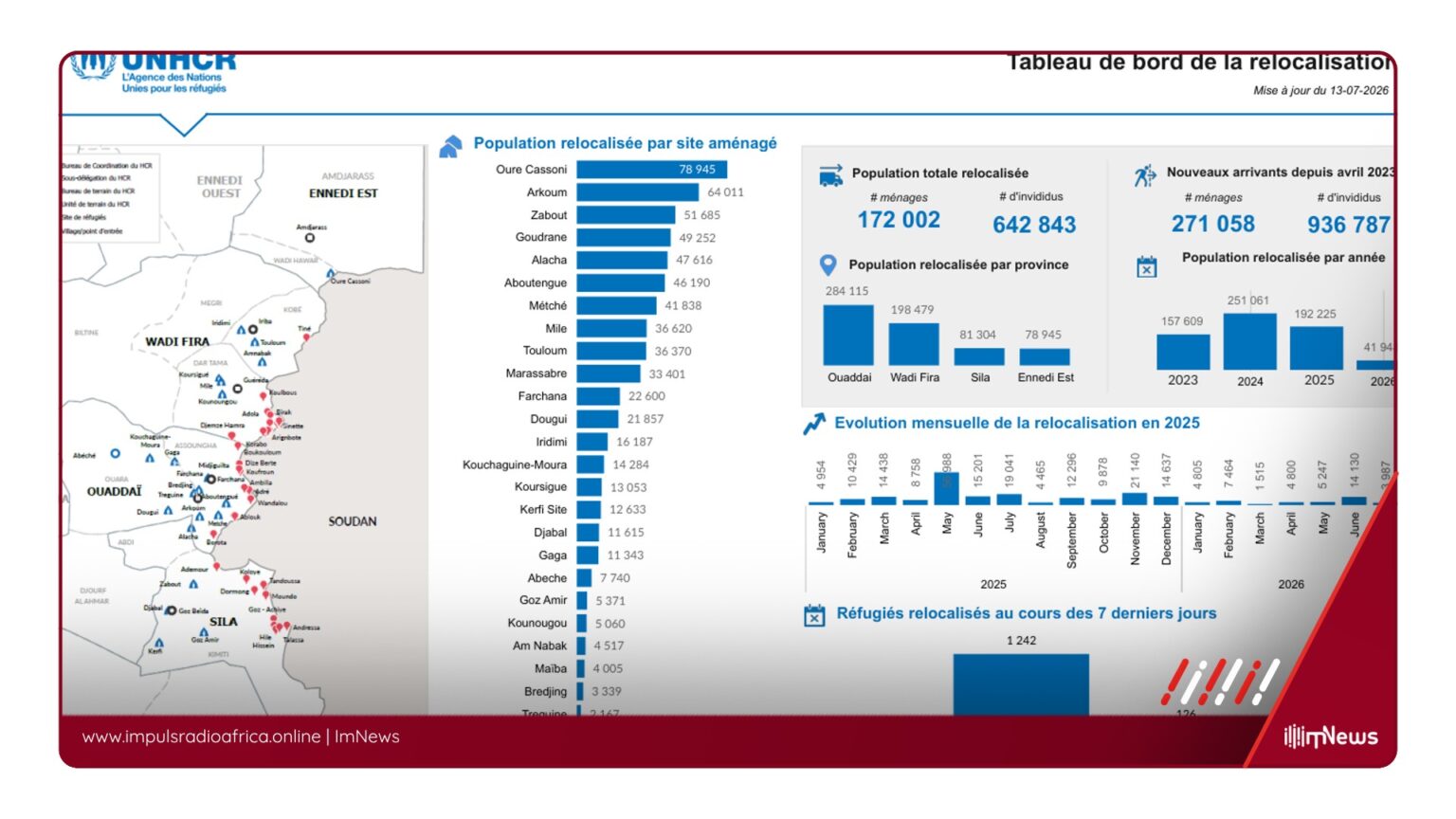
The UNHCR’s Bureau of Coordination in eastern Chad has been closely monitoring the relocalization efforts, providing a detailed infographic that outlines the population relocalized by site and the total number of people relocalized, as well as new arrivals since April 2023.
The infographic, sourced from reliefweb. Int, reveals a complex web of relocations that reflects the scale of the crisis.
Despite predictions of economic growth, Chad’s poverty rate is expected to soar, with nearly half of the population living in extreme poverty.
This economic fragility, combined with the humanitarian crisis, poses a significant challenge to the country’s stability and development prospects.
The relocalization efforts, while a critical step in providing relief to those affected, also highlight the complexities of managing a crisis of this magnitude.
The infographic from the UNHCR shows that relocations are not uniform and are often site — specific, indicating the diverse needs of the population and the challenges faced by relief organizations.
The situation in Chad is further complicated by the intersecting factors of climate change and regional conflicts.
The littlebunker.
Com source indicates that extreme weather and climate data are contributing to the crisis, with the long — term emergency situation in Chad deepening.
The UNHCR’s data. Unhcr.
Org sources offer a detailed analysis of the relocalization process, providing a contrasting perspective to broader assessments of the humanitarian crisis.
This data, while specific, lacks direct quotes or named individuals, which somewhat reduces its credibility.
However, the quality scores of the sources suggest a need for further verification.
In conclusion, Chad’s humanitarian crisis is a stark reminder of the challenges faced by countries in the Sahel region.
The relocalization efforts, while critical, must be accompanied by sustainable solutions that address the root causes of the crisis.
As the situation evolves, it is essential for international actors and the Chadian government to work together to provide the necessary assistance and support to those affected.
KICKER: As the situation in Chad continues to worsen, the urgency for a coordinated and comprehensive response grows.
The next steps, including potential international aid and policy changes, will be crucial in determining the outcome of this humanitarian crisis.
*Additional reporting by ImNews | Sources consulted: 5*
—
This original article was produced by the ImNews editorial team
Source: reliefweb
Source: UN High Commissioner for Refugees