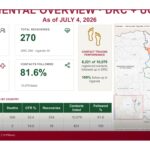
DR Congo’s Ebola Outbreak: A Race Against Time for Scale-Up and Control BODY: Kinshasa, DRC – The Ebola disease outbreak in the Democratic Republic of Congo (DRC) has reached a critical juncture, with the number of confirmed cases surpassing 2,000 and deaths exceeding 750.
The situation is deemed the third largest and fastest — growing Ebola outbreak on record, necessitating an urgent scale-up of the response efforts. Médecins Sans Frontières (MSF) has sounded the alarm, emphasizing the need for stronger, more coordinated international action.
The epidemic’s rapid spread and geographical expansion have outpaced the current response, with MSF’s emergency programme manager, Trish Newport, stating, “Every delay costs lives. We are still chasing the outbreak instead of staying ahead of it. “.
The Bundibugyo virus, responsible for the outbreak, has seen its caseload triple in less than five weeks, with deaths increasing more than fivefold.
The situation is particularly concerning as the outbreak has exceeded half the number of cases recorded during DRC’s 2018-2020 Ebola outbreak.
The epicentre of the outbreak, Ituri province, accounts for approximately 90 per cent of all confirmed cases. MSF has reported treating 57 survivors but witnessing the deaths of more than 110 patients.
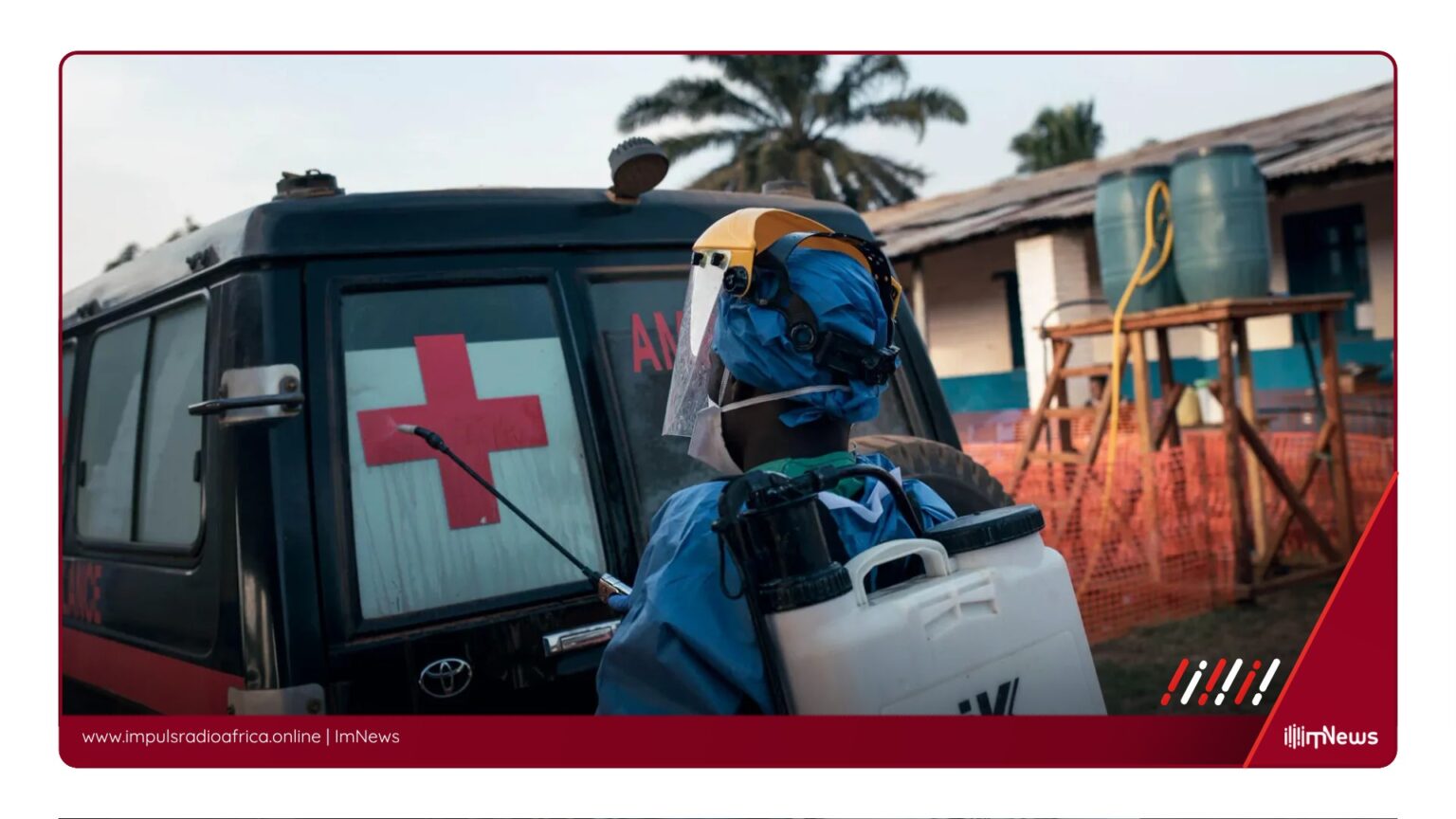
The Elikiya Ebola treatment centre in Bunia is operating at full capacity, with patients arriving in critical condition due to delayed access to care. MSF is calling on health authorities and humanitarian organizations to swiftly increase resources across all aspects of the Ebola response, including community engagement, surveillance, testing and diagnosis, patient care, survivor support, and the safe and dignified management of bodies and burials.
The DRC’s surveillance system, designed to detect cases early through strong community networks, has been pushed to its limits by the current outbreak, along with multiple other disease threats. Efforts to expand testing, contact tracing, and community engagement must continue, while also addressing other urgent health needs. MSF currently runs seven Ebola treatment centres and more than 15 isolation units across Ituri, North Kivu, South Kivu, and Tshopo provinces, with a combined capacity of over 430 beds.
Since the beginning of the outbreak, MSF teams have admitted more than 968 patients, including 357 confirmed cases, and supported the recovery of 116 survivors.
The international community must act swiftly to provide the necessary resources and support to bring the response closer to communities, prevent further transmission, and save lives.
*Additional reporting by ImNews | Sources consulted: 5*
—
This original article was produced by the ImNews editorial team
Source: reliefweb
Source: Médecins Sans Frontières