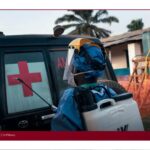
Kinshasa, DRC — Médecins Sans Frontières (MSF) has sounded the alarm on the escalating Ebola outbreak in the Democratic Republic of Congo (DRC), urging an urgent scale-up of the response efforts.
The outbreak, which has now reached nearly 2,000 cases, is the third largest and fastest-growing on record, according to MSF.
As of May 28, 2026, there were 125 confirmed cases, 906 suspected cases, and 223 deaths reported across Ituri, North Kivu, and other regions in DRC.
The current outbreak, involving the Bundibugyo species of Ebola, poses a significant challenge as there is no vaccine or specific treatment available. This, combined with the complexities of the region, such as remote and densely populated areas, insecurity, and high population and trade movements, has further complicated the response to the outbreak. MSF has been actively involved in the response, with teams working tirelessly to contain the spread of the disease and strengthen patient care.
The organization has called for an immediate increase in resources and personnel to effectively manage the crisis.
The World Health Organization (WHO) has also been scaling up its support to the governments of DRC and Uganda. This includes strengthening surveillance, contact tracing, clinical preparedness and management, delivery of supplies, and community engagement.
Officials commented on the matter.
The DRC government and its international partners are facing the daunting task of overcoming years of conflict, abuse, and neglect that have strained healthcare systems and eroded trust. This has risked complicating the Ebola response, as the government and its partners need to engage with affected communities and ensure that the response efforts are effective and accountable.
Human Rights Watch has highlighted the importance of prioritizing community engagement in the response.
The organization has called on the Congolese government and international partners to limit the role of security forces in responding to the Ebola outbreak and to take all necessary steps to minimize the role of security forces and closely engage with affected communities.
The Ebola outbreak in the DRC serves as a stark reminder of the challenges faced by the country and the global community in responding to such crises.
As the outbreak continues to grow, it is crucial that all stakeholders work together to ensure that the necessary resources are allocated to effectively manage the crisis and save lives.
The next steps in the response will be critical, and the world is watching to see how the DRC government, international organizations, and local communities can collaborate to bring this outbreak under control.
The urgency of the situation cannot be overstated, and the global community must continue to provide support to the DRC as it battles this deadly disease.
*Additional reporting by ImNews | Sources consulted: 5*
—
This original article was produced by the ImNews editorial team
Source: Google News v2