Addis Ababa, Ethiopia — South Sudan Emergency Response: Ethiopia’s Role in Hosting Refugees The humanitarian crisis in South Sudan has prompted a significant response from the international community, with Ethiopia playing a crucial role in hosting a large number of refugees.
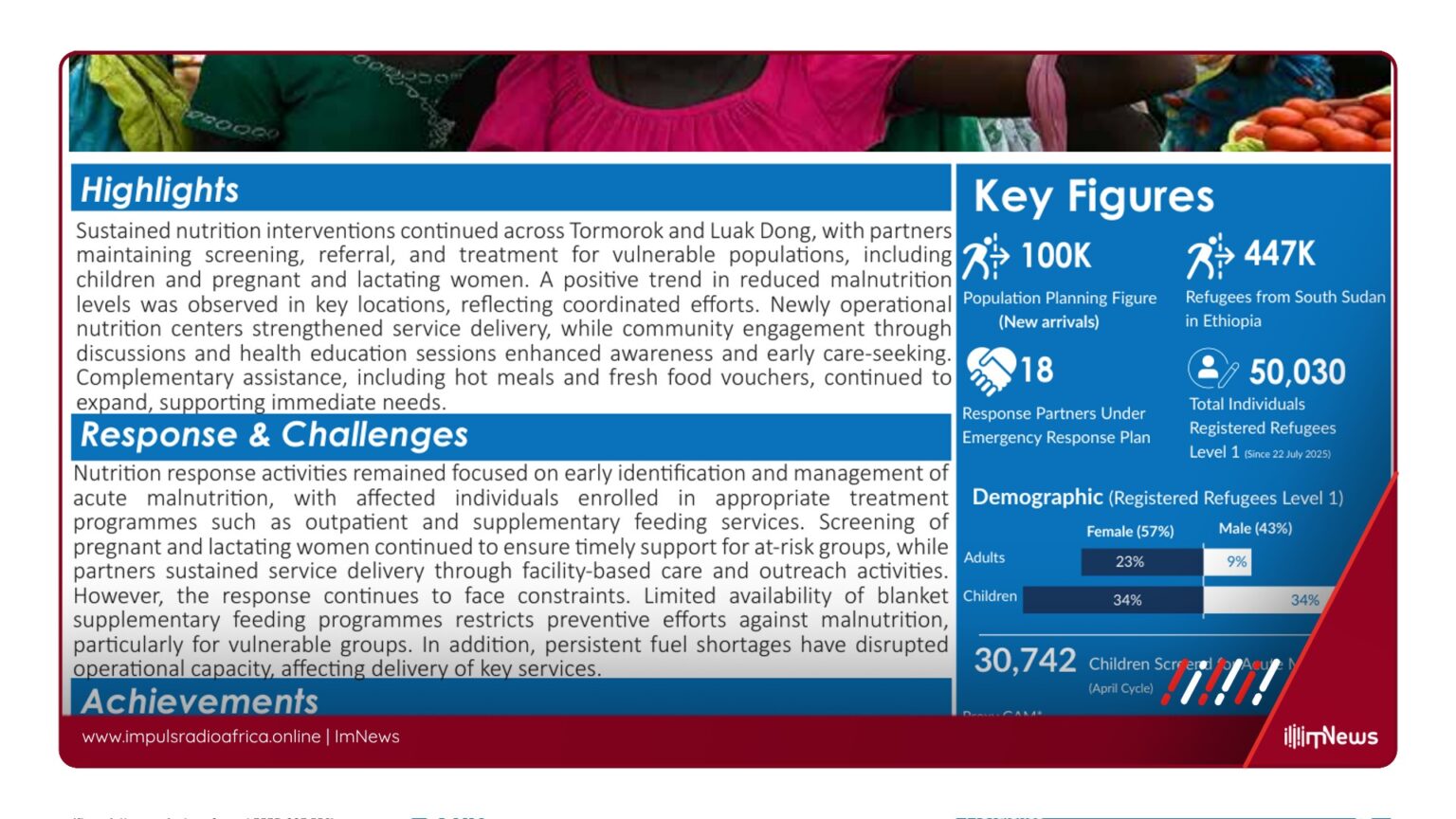
As of April 2026, Ethiopia hosts a total of 1,076,829 refugees and asylum seekers, with significant concentrations in Gambela (36. 7%), Somali (33.
4%), and Benishangul-Gumuz (10.
2%) regions. This figure underscores the scale of the crisis and the country’s commitment to providing refuge to those in need.
The Southern and Eastern Africa region is home to the world’s worst humanitarian crisis, with Sudan accounting for ten per cent of the global total of people in need.
In 2026, an estimated 56 million people in the region require humanitarian assistance, reflecting the profound impact of conflict, political instability, climate change, and economic shocks.
The UN High Commissioner for Refugees (UNHCR) and its partners have strengthened protection delivery for refugees in Ethiopia through coordinated relocation efforts.
These efforts have improved living conditions and access to essential services, ensuring that refugees can receive the support they need.
The European Parliament has highlighted the severity of the situation in the region, noting that Sudan alone accounts for ten per cent of the global total of people in need. This underscores the urgency of the situation and the need for a coordinated international response.
In February 2026, South Sudan received $10 million in emergency UN funding to aid over 270,000 people, showcasing the international community’s commitment to addressing the crisis. This funding is aimed at providing essential services and support to those affected by the conflict and displacement.
The response to the crisis in South Sudan has involved multiple stakeholders, including the UNHCR, GOAL, and various non — governmental organizations.
These partners have been instrumental in delivering food, nutrition, health, and other essential services to refugees in Ethiopia.
The situation in Ethiopia’s Gambela region, where a significant number of South Sudanese refugees are settled, has been particularly challenging.
The region has faced the brunt of the influx, with the local infrastructure and resources strained to accommodate the large number of refugees.
Despite the challenges, Ethiopia’s government has been proactive in addressing the needs of the refugees.
The country has been praised for its efforts in providing a safe haven for those fleeing conflict and violence in South Sudan.
The UNHCR’s thematic factsheets on the situation in Ethiopia provide a detailed overview of the challenges and the ongoing response.
These documents highlight the need for continued support and the importance of ensuring that refugees have access to essential services.
The emergency response in Ethiopia is not only a humanitarian effort but also a demonstration of the country’s commitment to international cooperation and peacekeeping.
As the situation in South Sudan remains fragile, the international community’s support for Ethiopia’s efforts is crucial.
In conclusion, the South Sudan emergency response in Ethiopia highlights the complex nature of humanitarian crises and the importance of coordinated international efforts.
As the crisis continues to unfold, the focus must remain on providing support to those affected and finding sustainable solutions to the underlying causes of the conflict.
*Additional reporting by ImNews | Sources consulted: 5*
—
This original article was produced by the ImNews editorial team
Source: reliefweb
Source: UN High Commissioner for Refugees