Flood Recovery Efforts Intensify in Mozambique Amidst Ongoing Rainfall and Displacement. CITY, Mozambique – Since early March 2026, Mozambique has been addressing extensive flooding, with heavy rains particularly affecting the southern, central, and northern provinces.
The situation has worsened due to continued rainfall and river overflow, particularly along the Licungo River, despite some areas seeing water levels begin to recede.
The most severely affected regions include Gaza Province, Inhambane, Sofala, Zambézia, Niassa, and Tete provinces.
The ongoing rains have caused widespread damage to homes, public infrastructure, and agricultural land, delaying the safe return of many families and increasing the humanitarian needs.
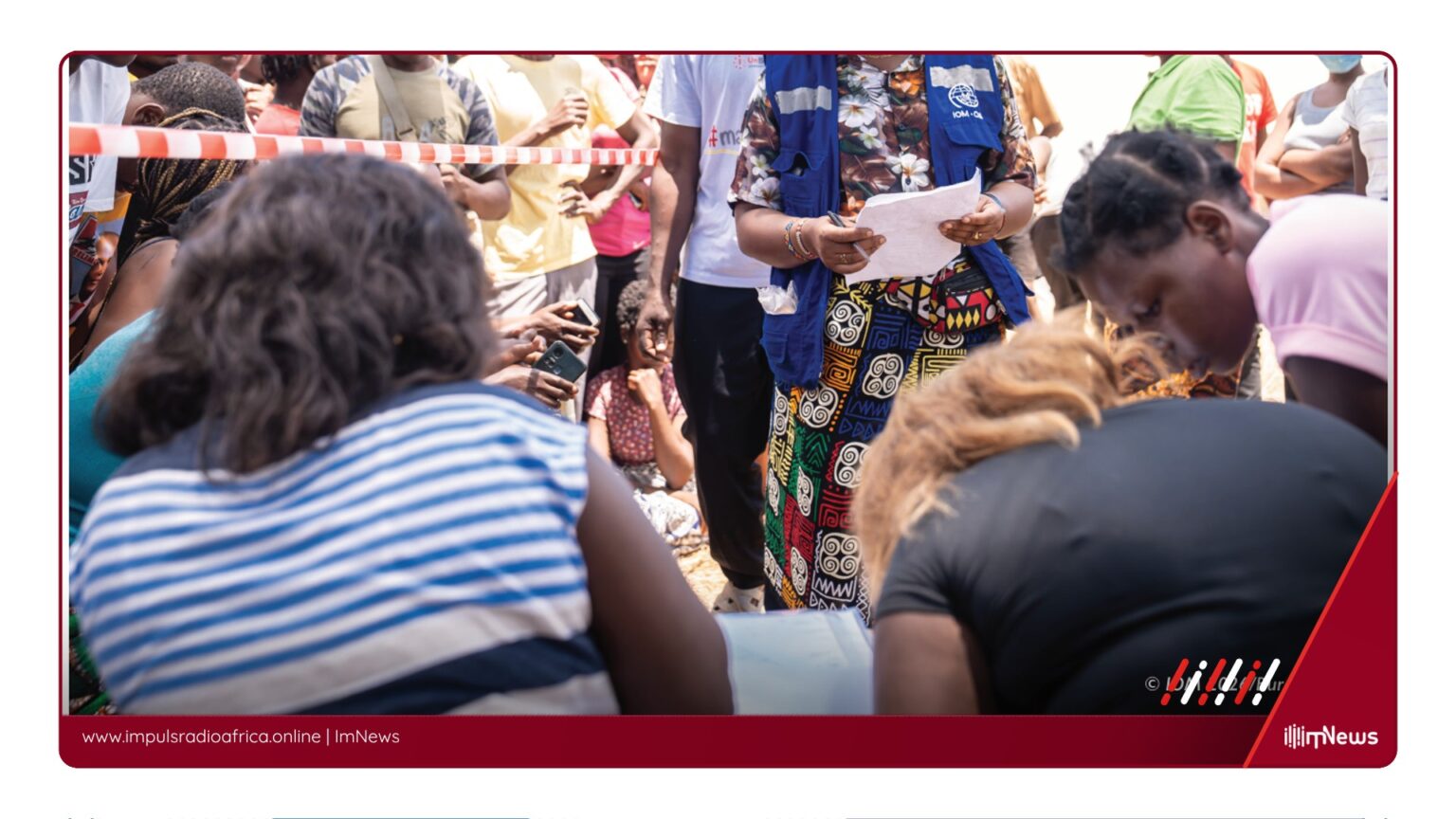
The International Organization for Migration (IOM), in close coordination with the Government of Mozambique, the National Institute for Disaster Management and Risk Reduction (INGD), and other humanitarian partners, is implementing a multisectoral emergency response. These efforts include displacement tracking, site management, shelter and non-food item support, water, sanitation and hygiene assistance, health promotion, protection, and prevention of sexual exploitation and abuse activities. To date, IOM interventions have reached an estimated 34,000 individuals across various sectors.
Despite some affected families returning to their areas of origin, many remain displaced due to ongoing rainfall, damaged or unsafe housing, loss of assets, and limited access to essential services.
The response has expanded across additional districts, adapting to evolving flood — related impacts.
However, the scale of the disaster necessitates a significant scaling up of efforts to address the ongoing humanitarian needs.
The United Nations Office for the Coordination of Humanitarian Affairs (OCHA) and the Mozambican National Institute for Disaster Management (INGD) are leading the multi-sectoral response, ensuring a coordinated approach across various sectors.
The Food and Agriculture Organization (FAO) is advocating for funding to restore food production for impacted farmers, crucial for long-term recovery.
The effectiveness of the humanitarian efforts and the ability to prevent the spread of waterborne diseases like cholera and malaria are areas of critical concern.
As Mozambique endures this natural disaster, the international community’s response is being closely monitored. Robust disaster preparedness and response mechanisms in the region are highlighted as essential, given Mozambique’s vulnerability to extreme weather events, especially during the 2025-2026 rainy and cyclonic season.
*Additional reporting by ImNews | Sources consulted: 5*
—
This original article was produced by the ImNews editorial team
Source: reliefweb
Source: International Organization for Migration