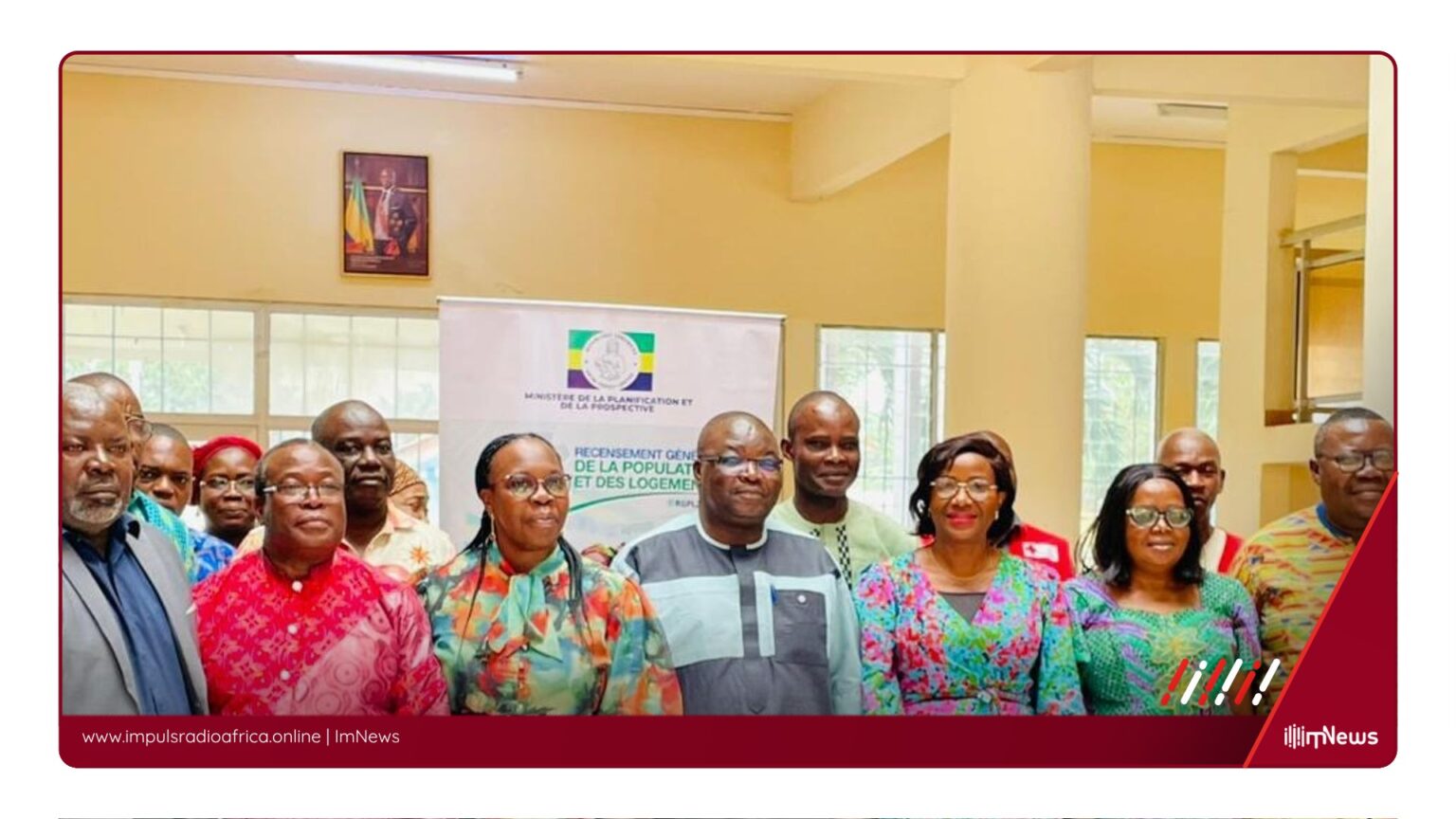
Mouila, Gabon — The Recensement général de la population et des logements (RGPL) 2026, Gabon’s national census, was officially closed in Mouila on June 19, 2026. Governor Francis Oyinamono, also president of the Provincial Commission for the RGPL, presided over the ceremony, marking the end of a comprehensive enumeration process.
The census, initially scheduled for December 2025, was delayed to 2026 to avoid inaccuracies during the holiday season. This decision demonstrated the government’s dedication to ensuring reliable data and adhering to international standards, as confirmed by the Ministry of Planning and Prospective.
The data collection phase, which was set to end on May 25, 2026, concluded successfully, offering a crucial demographic overview of Gabon.
The extensive operation deployed agents across the nation to gather population and housing data. Citizen mobilization was a key factor in the operation’s success.
The enumeration phase began officially on January 30, 2026, emphasizing its importance in generating reliable national statistics.
According to officials, the collected data will be instrumental for planning and development initiatives, contributing to the sustainable growth and well — being of Gabonese society.
The RGPL process also included a critical phase of provincial commissions following data collection, focusing on evaluating and validating the information. Governor Oyinamono’s closing remarks highlighted the census’s significance for governance and development. He emphasized that the accurate and reliable data will inform decisions affecting Gabon’s citizens for years to come.
Experts in population and development studies have praised the government’s approach to the RGPL 2026.
The emphasis on stability during the enumeration phase was crucial for achieving accurate results, with the decision to postpone the census deemed well — advised to avoid inaccuracies during the holiday season.
As the census results are anticipated to be published, they will offer a detailed demographic profile of Gabon, including population size, distribution, and characteristics. This information will be vital for policy formulation, particularly in education, health, and urban planning.
The success of the RGPL 2026 reflects the Gabonese government’s commitment to statistical excellence and data-driven governance.
As the country progresses, the RGPL results will undoubtedly play a pivotal role in shaping its future development agenda. Gabon joins a growing number of African nations prioritizing accurate population data for effective governance with the completion of the RGPL 2026 enumeration phase.
In the coming weeks, as detailed results are analyzed and disseminated, it will be evident how this significant initiative has influenced Gabon’s development trajectory.
The country’s ability to use the data for informed decision-making will be a testament to the success of the RGPL 2026 enumeration phase.
*Additional reporting by ImNews | Sources consulted: 5*
—
This original article was produced by the ImNews editorial team
Source: Agpgabon
Source: Redaction