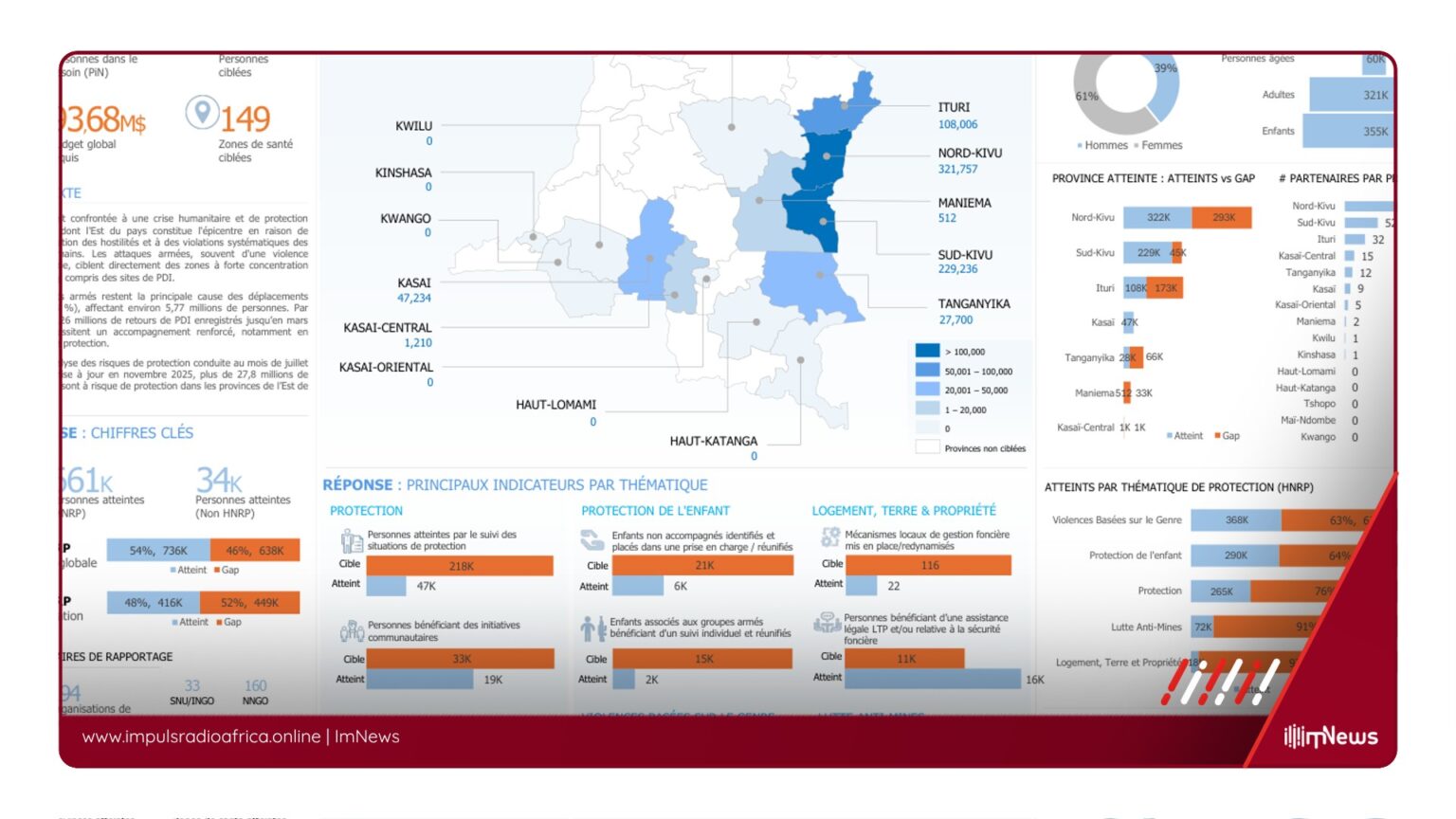
“1. 5 Million Receiving Protection in DRC Amidst Ongoing Humanitarian Crisis “### DATELINE: Kinshasa, DRC – 2026-07-24 The Democratic Republic of Congo (DRC) continues to grapple with a complex humanitarian and protection crisis, with a focus on the eastern provinces where intensified hostilities and systematic violations of human rights are prevalent.
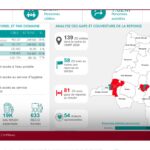
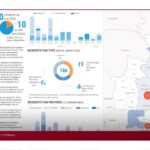
As of 31 July 2025, protection activities in the DRC reached nearly 1.
5 million people, including 57% children, 32% adults aged 18 to 59, and 11% elderly individuals. This figure underscores the scale of the challenge faced by humanitarian organizations working in the country.
The report, produced by OCHA RDC in collaboration with humanitarian partners, highlights the impact of cross — border incursions in the Aru territory, which exacerbate protection risks for the local population.
These incursions not only increase the vulnerability of civilians but also complicate the efforts of humanitarian organizations to provide aid. By March 2026, 4.
26 million returns of internally displaced persons (IDPs) were recorded, a significant increase that requires enhanced support, especially in terms of protection.
The integration of returning IDPs into their communities or alternative solutions is a long — term challenge that needs to be addressed with urgency.
The analysis from the Protection Cluster indicates that while assistance has been provided to nearly 1. 5 million people, there are still significant protection gaps and challenges.
The insecurity of land is identified as a structural factor of protection, directly linked to violence, community conflicts, and risks of relocation. These factors constitute a major obstacle to stability and sustainable solutions. Addressing the question of what specific measures are being taken to address land insecurity and its impact on protection efforts, the report suggests that collaborative efforts with local authorities and communities are crucial.
The protection clusters in the DRC are working to ensure that their interventions are in line with the needs of the ground. For the elderly and children, the protection needs are being prioritized through targeted interventions.
The report indicates that while progress has been made, there is still a long way to go in ensuring that these vulnerable groups are adequately protected.
The long — term plan for the integration of returning IDPs remains unclear.
The report acknowledges the need for a comprehensive approach that includes protection, education, and economic opportunities.
However, without specific details on the planned interventions, it is difficult to assess the feasibility and effectiveness of these measures.
As the humanitarian situation in the DRC evolves, the collaboration between the protection clusters, local authorities, and communities is key to addressing the challenges faced by vulnerable populations.
The need for sustained and coordinated efforts is evident, as is the need for continued international support to ensure that the protection of civilians remains a priority.
*Additional reporting by ImNews | Sources consulted: 4*
—
This original article was produced by the ImNews editorial team
Source: reliefweb
Source: Protection Cluster