Lagos, Nigeria — A new report by the International Organization for Migration (IOM) highlights the ongoing humanitarian crisis in the Lake Chad Basin and the increasing complexity of migration patterns in Libya.
The latest findings, which span March to April 2026, reveal a concerning rise in security incidents and a growing population of internally displaced persons (IDPs) in the region. Between January and March 2026, 239 security incidents were recorded in the Lake Chad Basin, resulting in 345 fatalities.
This figure underscores the volatile and dangerous conditions in the region, which include parts of Chad, Nigeria, Cameroon, and Niger.
The situation is further exacerbated by a significant contraction in resources for humanitarian action, leaving millions of people without access to basic services and support.
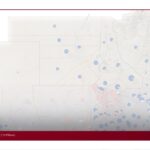
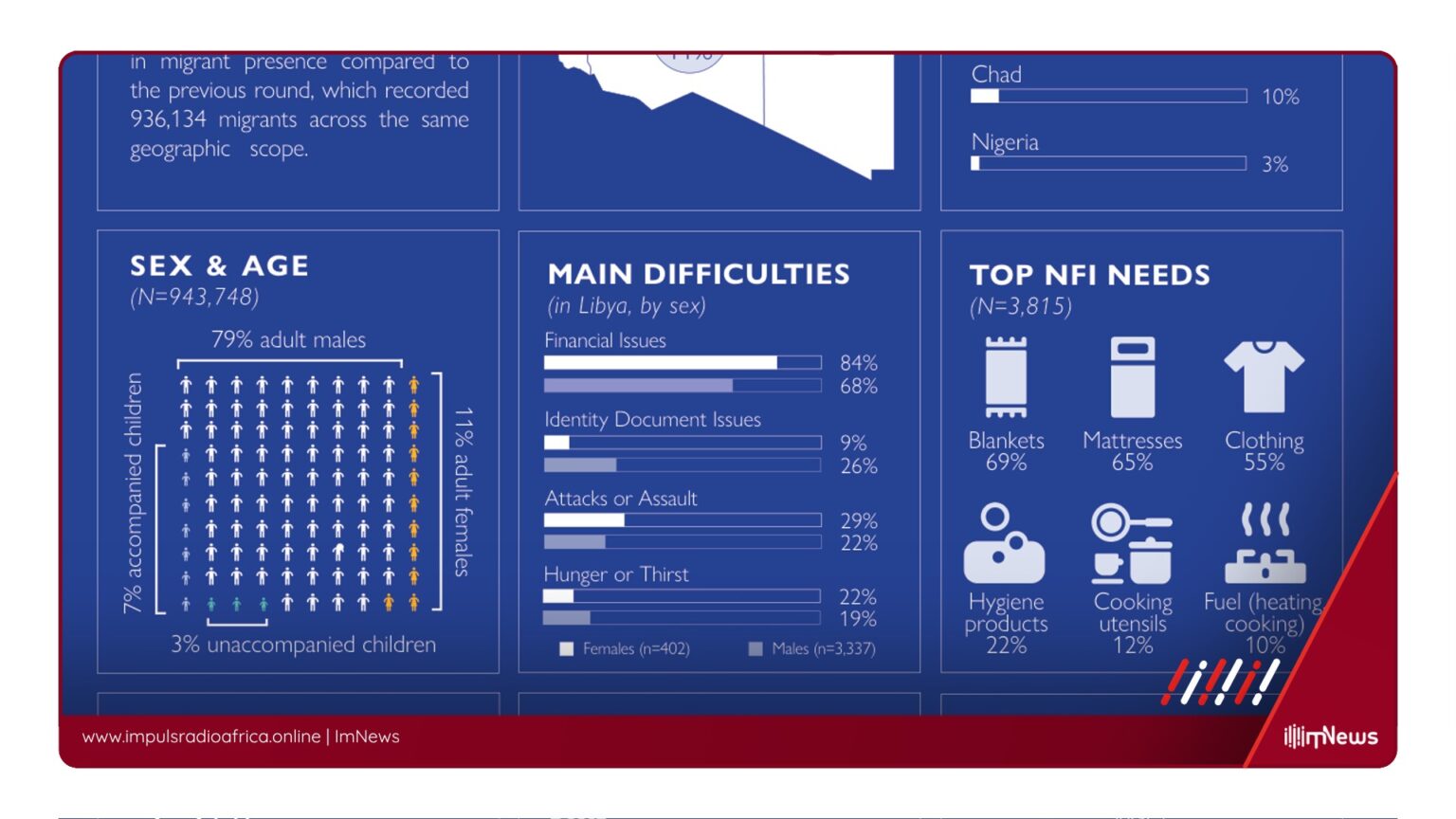
In Libya, the IOM’s Displacement Tracking Matrix (DTM) programme identified 943,748 IDPs and 641 communities within the country.
This represents a slight increase of 0. 8% from the previous round, reflecting the ongoing challenges associated with migration in the region.
The humanitarian situation in the Lake Chad Basin is described as extremely fragile and complex, with over 3 million IDPs and more than 325,000 refugees.
The region’s chronic insecurity continues to uproot people from their lands and homes, severely limiting prospects for safe, voluntary, and sustainable returns. Officials commented on the matter. “
The situation is particularly dire for those who have been displaced and are struggling to survive in the face of limited resources and volatile conditions. “.
The DTM Libya report also highlights the complexities of the migrant composition, with a significant number of migrants coming from neighboring and regional countries. This underscores the need for a coordinated and regional approach to address the challenges posed by migration in the region. “Addressing the root causes of migration and providing support to those displaced is crucial for long-term stability and resilience in the region. “.
As the humanitarian situation in the Lake Chad Basin and Libya continues to deteriorate, the international community is urged to increase its support for the affected populations and to work collaboratively to address the underlying causes of the crisis. Moving forward, it is essential for governments, humanitarian organizations, and the international community to continue monitoring the situation and implementing effective strategies to protect and assist those affected by the crisis in the Lake Chad Basin and Libya.
*Additional reporting by ImNews | Sources consulted: 5*
—
This original article was produced by the ImNews editorial team
Source: reliefweb
Source: International Organization for Migration