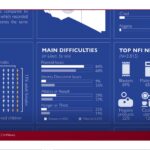
Sudan’s Health System Plunges as 38% of Facilities Non-Functional DATELINE: Khartoum, Sudan – July 21, 2026 LEAD The World Health Organization’s Health Resources Availability Monitoring System (HeRAMS) has revealed a dire state of Sudan’s healthcare system, with 38% of health facilities across the nation rendered completely non-functional as of January 2026. NUT GRAF: The HeRAMS Sudan report, which has been deployed in the country since June 2023, highlights the devastating impact of over three years of conflict on the healthcare infrastructure.
The data, reported up to January 31, 2026, shows that over 78,000 Health Service Delivery Unit (HSDU) updates were submitted by a network of 6,500 data contributors, painting a stark picture of the health crisis gripping Sudan.
Khartoum, the capital city, has not been immune to the turmoil. Doctors Without Borders/Médecins Sans Frontières (MSF) has reported on the worsening water and fuel crisis in El Obeid, North Kordofan state, where drone attacks have intensified, exacerbating the humanitarian situation.
The WHO’s Director-General, Dr.
Tedros Adhanom Ghebreyesus, has emphasized the severity of the crisis, noting that Sudan now accounts for the world’s largest humanitarian crisis, with 34 million people in need of aid and 21 million lacking health services.
The health system has been left in tatters, with repeated attacks on medical facilities and staff, further hindering the provision of care. Despite the overwhelming challenges, the HeRAMS Sudan report acknowledges the resilience of health workers who continue to serve their communities under difficult circumstances.
However, the ongoing nature of the HeRAMS deployment, with data verification and validation still in progress, indicates that the analysis presented is preliminary.
The Sudanese healthcare system’s plight is not just a local issue; it has global implications. International humanitarian organizations are working tirelessly to provide aid, but the scale of the crisis is immense.
The report from DevelopmentAid. Org lists ten organizations that have been making an impact in Sudan’s crisis, facing challenges such as targeted attacks and shrinking funding.
The WHO’s HeRAMS Sudan report provides a comprehensive overview of the operational status of 4,809 HSDUs across Sudan, including the availability of health services and barriers to their provision.
As the conflict continues, the situation is likely to worsen.
The WHO’s Dr. Ghebreyesus has called for peace, stating that “the best medicine is peace. “.
Until then, the people of Sudan face a daunting struggle to access even the most basic healthcare services.
KICKER: The HeRAMS Sudan report serves as a stark reminder of the human cost of conflict and the urgent need for a peaceful resolution to the ongoing crisis.
As the situation evolves, the world watches with concern, hoping for a return to stability and the restoration of essential services for the Sudanese people.
*Additional reporting by ImNews | Sources consulted: 5*
—
This original article was produced by the ImNews editorial team
Source: reliefweb
Source: World Health Organization